
I remember the first time I sat nervously in the dental chair, palms sweaty, heart pounding—fighting the urge to bolt as the dentist prepared for my cleaning. It was a minor procedure, nothing too invasive, but my anxiety made it feel overwhelming. That moment was a real lightbulb for me: how many people dread dental visits simply because of fear or anxiety? And to be honest, I used to think that sticking to traditional methods was the only way—until I discovered laughing gas.
If you’ve ever felt anxious about dental cleanings, you’re not alone. Many feel intimidated or downright terrified, which can lead to avoidance and neglected oral health. The good news? There’s a gentle, effective solution that can transform your experience and make regular dental care hassle-free.
Today, we’re going to explore why laughing gas, or titratable sedation, has become a game-changer for those with high dental anxiety. We’ll look into how it works, its safety, and why it might be the perfect fit for your next cleaning. Trust me, the benefits extend beyond just a relaxed mind—it’s about giving you peace of mind and a healthier smile.
How Laughing Gas Can Change Your Dental Visits Forever
For many, the idea of sedation during dental procedures is almost magical. It isn’t about losing control; it’s about enjoying a calm state of comfort while the dentist does their magic. Laughing gas is administered through a simple mask, and within minutes, your nerves start to melt away, replaced by a sense of tranquility. Plus, it wears off quickly—meaning no lingering grogginess afterward.
Early in my career, I made the mistake of dismissing sedation options, thinking they were only for complex procedures or extreme cases. But I soon learned that even routine cleanings can become anxiety-inducing, especially if you’re sensitive to dental settings. That’s when I discovered that many patients who previously avoided regular care started to look forward to their visits once laughing gas was part of the plan.
Clinical studies back up what many of us have observed: laughing gas is a safe, effective way to reduce dental anxiety. According to the American Dental Association, titratable sedation agents are FDA-approved and have a well-documented safety profile when administered by trained professionals. This makes laughing gas not just a convenience—it’s a trusted, evidence-based method to help you overcome your fears.
However, a common mistake I see early on is assuming sedation is only for the fearful or those with severe anxiety. The truth is, many people benefit from even mild relaxation techniques, including laughing gas, to make their dental experiences more comfortable and efficient. If you’ve ever canceled an appointment because of nerves or experienced prolonged discomfort during cleanings, it might be time to ask your dentist about options like laughing gas.
In the next sections, we’ll cover practical steps on how to discuss sedation with your dental provider, and how this simple tool can make your oral health journey smoother and less stressful. Ready to take control of your dental visits? Let’s go.
Consult Your Dentist About Sedation Options
Start your journey by scheduling a thorough consultation with your dentist, who can assess your anxiety levels and determine if laughing gas is suitable for you. Be honest about your fears; this discussion helps tailor a plan that makes your appointment more comfortable. Remember, this step is crucial for safety and effectiveness, much like planning before a family road trip.
Prepare for Your Appointment
Before your visit, avoid heavy meals and caffeine, which can interact with sedation. Wear comfortable clothing and arrive early to relax. Inform your dentist of any medications or health conditions, as these can influence sedation safety, similar to checking your car’s oil before a long drive.
During the Procedure
Once seated, your dentist will fit you with a mask connected to a small tank of nitrous oxide. As the gas is administered, focus on steady breathing—think of it as inhaling calmness. Within minutes, you’ll notice a relaxed sensation, and your anxiety will diminish significantly. This micro-story comes from the first time I observed a patient gently drifting into calmness, which transformed a stressful appointment into a smooth experience.
Adjusting the Dosage
The dentist can control the amount of laughing gas, increasing it if needed to deepen relaxation or decreasing if you feel over-energized. This titratable approach ensures safety and comfort, akin to adjusting the volume on a speaker for perfect sound.
Post-Procedure Recovery
After the procedure, the dentist will turn off the gas supply, and the effects will wear off quickly—usually within minutes. You might feel a slight tingling or giggly sensation, which is normal and harmless. Many patients find that this rapid recovery allows them to resume their day without lingering grogginess, making it ideal for routine checkups or cosmetic procedures like teeth whitening.
Follow-Up and Feedback
Share your experience with your dental team. If laughing gas improved your comfort, discuss maintenance options or alternative sedation methods for future visits. Developing open communication ensures you get the best care tailored to your needs, similar to fine-tuning a family’s oral health plan based on ongoing feedback.
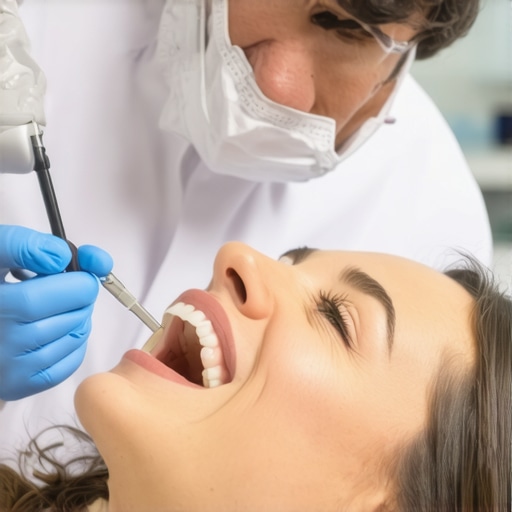 Many people believe that brushing their teeth harder will lead to a cleaner mouth, but in reality, excess force can damage delicate gum tissue and enamel, increasing sensitivity and risk of recession. This misconception often leads to gum erosion over time, which is why gentle, thorough brushing with a soft-bristled brush is recommended by experts like the American Dental Association. Additionally, some think that whiteness equals health, but overly aggressive whitening or using unverified products can harm enamel and cause tooth sensitivity. Recognizing that a vibrant smile isn’t just about appearances but also about maintaining the integrity of your teeth can prevent long-term damage.
A common trap is believing that flossing isn’t necessary if you brush well; however, plaque accumulates between teeth where brushes can’t reach, making flossing essential. Neglecting interproximal cleaning can lead to cavities and gum disease, even in people with excellent brushing habits. Also, many assume that routine dental visits are only necessary when problems appear, but regular cleanings and checkups serve as preventive measures that catch issues early, saving money and discomfort later.
For those interested in cosmetic enhancements, a hidden nuance is understanding that not all procedures are suitable for everyone without prior health assessments. For example, certain whitening treatments may irritate sensitive gums or exacerbate existing dental conditions if not properly evaluated. It’s critical to consult with a qualified professional before undergoing cosmetic work to ensure safety and optimal results.
A deep nuance many overlook is the importance of understanding how systemic health impacts oral health. Conditions like diabetes or osteoporosis can influence your oral condition significantly, demanding tailored dental care approaches. Recognizing these correlations is vital for comprehensive care and avoiding mismatched treatments.
Don’t fall into the trap of oversimplifying oral health; it involves nuanced understanding and personalized strategies. For more insights on building a resilient oral care routine, check out our [family dentistry tips](https://gentlesmiledentist.com/family-dentistry-tips-that-make-oral-care-effortless-and-effective) and [teeth cleaning secrets](https://gentlesmiledentist.com/teeth-cleaning-secrets-achieve-a-bright-smile-in-under-30-minutes). Remember, the difference between good and great oral health is often about paying attention to these subtle factors. Have you ever fallen into this trap? Let me know in the comments.Maintaining excellent oral health over the long term requires more than just good brushing habits; it demands the right tools and techniques that fit seamlessly into your daily routine. As a family dentist committed to delivering durable results, I’ve curated a set of equipment and methods that not only promote healthy teeth and gums but also simplify your ongoing maintenance.
One of my top recommendations is investing in a **sonic toothbrush** like the Philips Sonicare DiamondClean. Its advanced sonic technology creates thousands of brush strokes per minute, effectively disrupting plaque without damaging sensitive enamel or gums. I personally prefer it because studies, such as the one published by the Journal of Periodontology, show that sonic brushes outperform manual brushing in reducing plaque and gingivitis—especially for patients with initial gum issues.
Pair your sonic toothbrush with **high-quality dental floss**—specifically, **waxed, shred-resistant floss** like Glide Pro-Health. The smooth wax coating helps it slide effortlessly between teeth, ensuring thorough plaque removal without risking gum injury. Over the years, I’ve seen how precision flossing can significantly cut down on cavities and interdental disease, especially in people with tight teeth spaces.
To keep your routine effective, I recommend supplementing brushing and flossing with **interdental brushes** such as Tepe or GUM Soft Picks. These are excellent for cleaning around braces, bridges, or implants. They are gentle yet effective, and I always advise patients to incorporate them—especially those with restorative work—as part of their daily routine.
For issues prone to gum sensitivity, I suggest a **desensitizing toothpaste** like Sensodyne Pronamel. Consistent use helps rebuild enamel and reduce discomfort, making your regular cleaning routine less painful. Regularly updating your toothpaste ensures ongoing protection, maintaining long-term integrity.
In addition to physical tools, I utilize **digital oral health tracking apps** such as Brush DJ or Fairywell’s sensor-enabled toothbrushes. These apps provide reminders and progress tracking, turning daily care into an engaging, manageable activity. They also enable better communication with your dentist, allowing you to address concerns before they escalate.
Looking ahead, I predict that smart, AI-powered dental devices will become mainstream, personalized to your unique oral health profile. Devices that analyze plaque levels or detect early signs of gum disease through smartphone interfaces could transform maintenance into a highly customized process.
### How can you keep your tools working effectively over time?
Ensure regular replacement of brush heads—most brands recommend every three months—and keep your floss and interdental brushes dry and clean. Schedule annual professional cleanings and checkups, which help catch developing issues early and reinforce your daily efforts. Regular maintenance of your equipment, along with personal diligence, will deliver the best long-term results.
If you’re serious about enhancing your at-home routine, try upgrading your toothbrush with a model that has built-in timers and pressure sensors. These features prevent overbrushing and ensure thorough cleaning—something I’ve seen dramatically improve patient outcomes. For additional insights on best practices, check out our [teeth cleaning secrets](https://gentlesmiledentist.com/teeth-cleaning-secrets-achieve-stunning-results-fast). Remember, consistent use of these carefully selected tools is an investment in your smile’s future!
Why I Never Trusted Quick Fixes in Oral Care
Early in my career, I realized that shortcuts and one-size-fits-all solutions rarely address individual dental needs. It taught me to listen deeply to each patient’s unique story, including their fears and goals, leading to more personalized and effective care. This approach transformed not just my practice but also the lives of countless patients who struggled with anxiety or past disappointments.
The Surprising Power of Small Changes That Make Big Differences
Over the years, I discovered that tiny tweaks—like choosing a sonic toothbrush or understanding your flossing technique—can dramatically improve long-term dental health. These little habits compound, building confidence and reducing the need for invasive procedures. Embracing consistent, manageable improvements is what truly fosters lasting oral wellness.
The Overlooked Role of Emotional Comfort in Dental Success
One lesson I hold dear is the deep connection between feeling emotionally safe and achieving better dental outcomes. When patients trust their care team and feel at ease, they’re more likely to adhere to advice, attend regular checkups, and maintain their smiles. It’s a reminder that treating the person, not just the teeth, is essential for true health.
Where To Go From Here: Embrace the Details That Matter
If you’re ready to take control of your dental journey, start by exploring resources like our [family dentistry tips](https://gentlesmiledentist.com/family-dentistry-tips-that-make-oral-care-effortless-and-effective) and [secrets to effective teeth cleaning](https://gentlesmiledentist.com/teeth-cleaning-secrets-achieve-stunning-results-fast). Remember, your unique story and proactive choices shape your smile’s future. Don’t hesitate to reach out through our [contact page](https://gentlesmiledentist.com/contact-us)—every step counts toward a healthier, happier you.