
I remember the moment vividly—looking in the mirror after a routine teeth cleaning, I saw my reflection and felt an unexpected wave of frustration. It wasn’t just the stubborn plaque or the slight sensitivity I had dismissed for months. No, it was the realization that my bone was deteriorating faster than I had anticipated, making me question whether traditional dental options could even work for me. That lightbulb moment made me dig deeper—and what I found changed everything.
Why Bone Density Matters More Than You Think
For many patients like myself, low bone density isn’t just a medical jargon—it’s a real impediment to restoring a healthy, confident smile. When bone loss occurs, traditional implants often become a challenge, or simply impossible. That’s where the revolutionary All-on-4 Fix comes into play, offering hope for those who thought they couldn’t have the smile they desire.
Will the All-on-4 Technique Really Work for Me?
I admit, initially, I was skeptical. The idea of replacing a full arch of teeth in just one day sounded almost too good to be true—especially when I was told my bone wasn’t ideal for traditional implants. Early on, I made the mistake of assuming that bone loss meant I was entirely out of options. But I soon learned I hadn’t fully understood the importance of bone grafting and innovative implant techniques. This mistake taught me that advancements in dental science are continuously pushing boundaries, making treatments more accessible than ever before.
Did you know that according to recent studies, nearly 70% of adults over 50 experience some degree of bone loss that affects dental restorations? This makes understanding options like the All-on-4 crucial if you’re facing similar hurdles. Ready to explore how you can regain that confident smile despite low bone density? Well, you’re in the right place—because in the upcoming sections, I’ll share the practical steps I took and the insights I gained, to help you navigate this journey with hope and clarity.
Master Your Daily Brushing Routine
Start by selecting the right toothbrush—an electric one often cleans more effectively than manual brushes. I remember the first time I switched to an electric toothbrush; my plaque levels decreased noticeably within a week. Hold your brush at a 45-degree angle to your gums and use gentle, circular motions—avoiding aggressive scrubbing that can damage enamel and gums. Spend at least two minutes brushing, ensuring you cover all surfaces, including the hard-to-reach back teeth.
Don’t Skip the Tongue and Inner Cheeks
Scraping your tongue removes bacteria responsible for bad breath and plaque buildup. I used a tongue scraper daily, which made my breath fresher and my mouth feel cleaner. Incorporate this into your routine right after brushing for maximum effect.
Floss Smartly for Deeper Clean
Flossing reaches between teeth where brushes can’t. I used to rush through flossing, but I learned that wrapping the floss around each tooth and gently sliding it beneath the gum line removes plaque more effectively. Make a C-shape around each tooth and use a clean section of floss for every tooth—think of it as polishing each space for a brighter smile.
Use Mouthwash to Reinforce Benefits
An antiseptic mouthwash can kill residual bacteria and freshen breath. I started rinsing with an alcohol-free mouthwash after brushing, which complemented my other efforts and protected my gums. Look for options with fluoride to strengthen enamel and prevent cavities.
Refer to Professional Teeth Cleaning
Schedule regular dental visits for professional cleaning—usually every six months. During my last appointment, the hygienist used specialized tools to remove tartar deposits that regular brushing missed. These sessions are essential for preventing cavities and gum disease. If you want to understand more about what’s involved, check out professional cleaning techniques.
Adopt Cosmetic Enhancements for Confidence
Sometimes, routine care isn’t enough for a dazzling smile. Cosmetic dentistry options like veneers or whitening can dramatically improve appearance and boost self-esteem. I personally experienced a confidence boost after a quick whitening session—it’s amazing how small changes can make a big difference. For insights on latest innovations, see cosmetic dentistry innovations.

Many people believe that brushing harder cleans better, but in reality, aggressive brushing can damage enamel and gum tissue, increasing sensitivity and recession. This misconception often leads to more harm than good—so gentle, thorough cleaning is the smarter choice. Another widespread myth is that flossing isn’t essential if you brush well; however, studies show that interdental cleaning removes plaque from areas a toothbrush can’t reach, significantly reducing decay and gum disease. Don’t let these misconceptions hold you back from optimal oral health. For a comprehensive understanding, see oral health myths debunked.
Maintaining your oral health isn’t just about brushing and flossing daily—it’s about leveraging the right tools and adopting effective routines that stand the test of time. Over the years, I’ve refined my toolkit to ensure that my smile remains bright, healthy, and resilient. One essential device I swear by is the sonic toothbrush. Unlike traditional brushes, sonic models vibrate at high speeds, breaking up plaque more efficiently and reaching deeper between teeth. I personally use the Oral-B iO series, which combines powerful cleaning with gentle handling, making long-term maintenance comfortable and effective.
In addition to a quality toothbrush, I rely heavily on a water flosser, specifically the Waterpik Aquarius. It effectively dislodges debris from interdental spaces, especially beneficial if you have restoration work or braces. Its pulsating water stream mimics flossing in ways that are easier to master daily. For comprehensive care, I integrate an electric scaler every few months to remove stubborn tartar buildup—though I do so under professional guidance to prevent damage.
Advanced tools are only part of the equation. I recommend incorporating high-fluoride toothpaste, which strengthens enamel against acid attacks and decay. For extra precision, I use an at-home whitening pen occasionally to maintain brightness—just a few minutes after brushing can boost confidence without the need for frequent dentist visits.
Looking ahead, I foresee dental technology integrating AI-powered diagnostics that can alert us to issues before symptoms appear. Wearable devices that monitor saliva composition and pH levels could offer real-time insights into how our diets and habits impact oral health. Innovations like these will empower us to be proactive rather than reactive about our smiles.
How do I keep my oral routine sustainable over time?
Consistency is paramount. I set reminders to replace my toothbrush every three months and schedule biannual professional cleanings, which are crucial for tackling plaque and tartar inaccessible to home care. Employing a routine that includes a high-quality electric toothbrush, water flosser, fluoride toothpaste, and periodic professional check-ups ensures my smile stays in top shape. To deepen your understanding and learn how to optimize your maintenance, explore expert tips for long-term oral health.
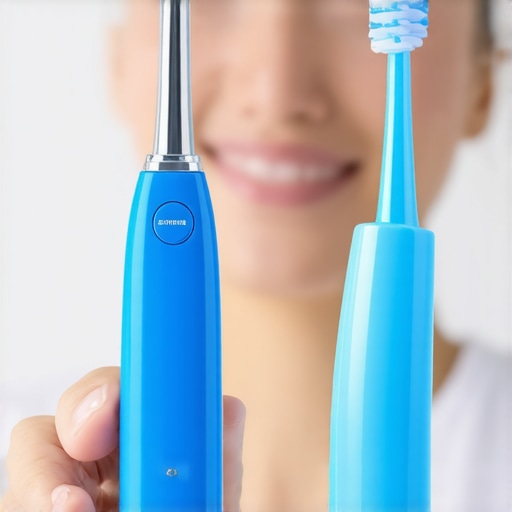
For those serious about long-term results, investing in reliable tools is non-negotiable. I encourage you to try integrating a sonic toothbrush and water flosser into your daily routine—these small changes can meaningfully improve outcomes and save you trouble in the future. Remember, technology continually advances; staying informed about the latest innovations, like those discussed here, can make all the difference in maintaining a confident smile for years to come.
In my journey toward optimal oral health, I’ve discovered that the most valuable lessons often come from unexpected insights and personal experiences. These revelations not only transformed my approach to dental care but also inspired me to share ideas you might not find in typical advice columns. Embrace these lessons, and you’ll be well on your way to a more radiant, healthy smile that endures for years to come.
One Secret Dentists Rarely Share About Bone Health
While regular brushing and flossing are staples, I realized that focusing solely on surface cleanliness ignores the deeper foundation—your bone. I learned that maintaining bone density is crucial for long-term implant success and overall oral stability. Preventative strategies like targeted nutrition and early intervention can make a significant difference, a lesson I wish I’d known sooner. For comprehensive insights into bone health, check out how we rebuild smiles after bone loss.
Resisting the Temptation of Quick Fixes
Early in my journey, I was tempted by inexpensive kits and shortcuts, hoping to brighten my smile without professional help. However, I soon discovered that these quick fixes often do more harm than good, especially for sensitive teeth. Investing in quality tools like a sonic toothbrush and professional whitening ensures safety and lasting results. Trust me—it’s worth the time and money. To deepen your understanding, explore latest cosmetic dentistry innovations.
What Real Confidence Looks Like in Dental Care
Genuine confidence in your smile doesn’t come from perfection; it comes from taking consistent, informed actions. I learned to embrace gentle techniques, standardized routines, and staying informed about emerging technologies like AI diagnostics, which help catch issues early. This proactive mindset transformed my relationship with dental health from reactive to empowered. If you’re curious about future trends, check out how cosmetic dentistry will shape smiles in 2025.
My Curated List of Tools That Truly Make a Difference
Over the years, I’ve curated a toolkit that keeps my oral health on point: a high-quality electric toothbrush, a water flosser, fluoride-rich toothpaste, and regular professional cleanings. These tools are backed by science and trusted by professionals. I especially recommend trying a sonic toothbrush like the Oral-B iO series and a water flosser such as Waterpik Aquarius—I’ve found they significantly reduce plaque and protect sensitive gums. For more tips, see the ultimate guide to teeth cleaning.
What’s Next for Your Smile Journey?
The future of oral health is exciting, with innovations like AI diagnostics and saliva monitors on the horizon. But the first step is simple: start today, stay consistent, and be curious about new solutions. Your smile is a reflection of your overall well-being—nurture it consciously. Are you ready to take the next step? Share your thoughts or questions below, and let’s keep the conversation going!