
Have you ever noticed that mornings sometimes greet you with a dry, gritty feeling in your mouth, making your teeth feel extra sensitive? I sure have. The lightbulb moment came when I caught myself waking up and unconsciously breathing through my mouth instead of my nose—something I didn’t even realize I was doing. That dry, cracked sensation wasn’t just uncomfortable; it was a warning sign that my enamel was suffering. And let’s be honest—who wants to deal with cavities, tooth sensitivity, or costly dental repairs? If you’re nodding along, you’re not alone—and I’m here to tell you there’s a way to fix it.
The Hidden Damage of Mouth-Breathing and How It Affects Your Smile
Mouth-breathing might seem harmless—it’s often a reflex when we’re congested or tired. But over time, this habit quietly chips away at your dental health. When you breathe through your mouth, your saliva—the natural protector of your teeth—gets washed away faster than it can do its job. This leads to a dry mouth, which leaves your enamel vulnerable to acids produced by bacteria. The result? Increased risk of cavities and erosion that can make your teeth appear dull, crack easily, or become painfully sensitive. What surprised me early on was realizing that I’d been unknowingly contributing to this cycle for years, thinking I just needed to brush better or visit the dentist more often. But the truth is—once you understand the root cause, you can actually make lasting changes.
Could This Be Sabotaging Your Oral Health?
Here’s a simple question for you: do you wake up with a dry mouth, bad breath, or a tingling sensation in your teeth? Maybe your partner has told you that you breathe loudly while sleeping? These little clues often go unnoticed, but they point to mouth-breathing, which can be a sneaky enemy of your smile. Early on, I made the mistake of treating the symptoms—like using mouthwash or brushes—without addressing why my mouth was dry in the first place. It wasn’t until I started paying attention to my breathing and consulting with my dentist that I learned about the connection to enamel erosion. According to a study published in the Journal of Clinical Dentistry, mouth-breathing is a significant risk factor for dry mouth and cavities, especially in children and adults who are unaware of their habit. Knowledge is power, and recognizing this issue early can save you years of dental trouble.
In the following sections, I’ll guide you through practical steps to break the cycle of mouth-breathing, protect your enamel, and keep your smile healthy. If this sounds like a problem you’ve faced too, keep reading—because the solution is closer than you think.
,
Identify and Record Your Breathing Patterns
The first step is to become your own detective. Spend a couple of days paying close attention to your breathing, especially during sleep. Use a simple journal or a voice recorder to note times when you notice dry mouth, bad breath, or mouth opening at rest. I found it helpful to set a timer during the night to wake me every few hours, so I could check if I was breathing through my mouth. Recognizing this pattern was key to addressing the root cause.
Improve Nasal Airway Function
Clear Nasal Obstructions
If congestion causes mouth-breathing, start with a thorough nasal cleaning. Use saline sprays or nasal rinses to clear out allergens and mucus. In my case, I used a neti pot daily, which drastically reduced nasal blockages and made nasal breathing more natural.
Address Structural Blockages
Persistent obstructions like deviated septum or enlarged turbinates may require consults with an ENT specialist. A simple procedure might be necessary to restore normal airflow. This is often underappreciated but can be a game-changer in breaking the mouth-breathing cycle.
Set Up a Breathing-Focused Routine
Practice consciously breathing through your nose during the day. I used a technique called diaphragmatic breathing—taking slow, deep breaths from the belly—similar to how athletes control their breathing. This training helps rewire your habits and reduces unconscious mouth breathing.
Establish Bedtime Habits for Better Breathing
Make your sleeping environment conducive to nasal breathing. Use a humidifier to keep nasal passages moist and avoid sleeping on your back, which can promote open-mouth posture. I added a pillow that elevated my head slightly, which helped keep my airways open during sleep. Also, consider tape or nasal strips that gently encourage nasal breathing without discomfort.
Seek Professional Guidance for Lasting Change
If self-driven measures aren’t enough, consulting with a dentist experienced in oral myofunctional therapy can make a difference. These specialists use exercises to strengthen the muscles around your mouth and tongue, helping you switch to nasal breathing naturally. I visited a family dentist who recommended targeted exercises, which I practiced twice daily. Over a few weeks, I noticed a significant reduction in dry mouth and improved sleep quality.
Remember, breaking the mouth-breathing habit is a process—it’s like training a muscle, requiring patience and consistency. By combining nasal clearing, behavioral adjustments, and professional guidance, you can protect your enamel, prevent cavities, and enjoy a healthier, brighter smile.
 Many people believe that routine teeth cleaning is just about plaque removal, but in reality, many common practices can inadvertently undermine your long-term oral health. For instance, some assume that flossing is optional or that whitening treatments alone can solve deeper issues, which is a misconception. Moreover, a prevalent myth suggests that all dental veneers are fragile and stain easily; however, advances in cosmetic dentistry have drastically improved durability and stain resistance, as detailed in our article on [cosmetic dentistry innovations](https://gentlesmiledentist.com/cosmetic-dentistry-innovations-you-cant-miss-this-year). An advanced mistake many overlook is the overuse of abrasive whitening products, which can erode enamel over time, leading to increased sensitivity and decay. This is a crucial point because enamel erosion is often silent until significant damage occurs. According to a 2022 study published in the Journal of Clinical Dentistry, aggressive whitening without professional guidance can accelerate enamel wear, making professional supervision essential if you’re considering cosmetic enhancements. A common trap in family dentistry is assuming that cavities are solely caused by sugar intake; in truth, neglecting regular professional cleanings and early detection can allow minor issues to escalate, requiring costly restorations. Regular check-ups—beyond just cleaning—are vital; they catch potential problems before they manifest into pain or structural damage. For further insights into effective routine care and debunked myths, check out our dedicated article on [oral health myths](https://gentlesmiledentist.com/oral-health-myths-debunked-what-you-need-to-know-in-2025). Finally, many overlook the importance of personalized treatment plans tailored to individual needs, especially in cosmetic procedures, which should be based on comprehensive assessments rather than generic solutions. Remember, understanding these nuances empowers you to make informed decisions, preventing mistakes that could cost you dearly in the future. Have you ever fallen into this trap? Let me know in the comments.
Maintaining excellent oral health requires more than just brushing twice a day. It involves using the right tools, establishing consistent routines, and knowing how to adapt as your needs evolve over time. In my experience, investing in quality equipment and adopting effective methods can significantly enhance your family dentistry efforts and ensure durable, long-lasting results.
How do I maintain my dental tools for optimal performance?
Proper maintenance of your dental hygiene tools is crucial. For example, I personally rely on electric toothbrushes like the Oral-B Genius series because their oscillating-rotating technology provides superior plaque removal compared to manual brushes. I make sure to replace the brush heads every three months and clean the device with a soft, damp cloth monthly. This prevents bacterial buildup and ensures the brush performs at its best. Similarly, flossing tools such as Water Flossers, like Waterpik’s Hydropulse, are excellent for reaching areas dental brushes might miss. Regular descaling and replacing water reservoirs prevent mold and bacteria, which is vital for long-term safety and efficacy.
Why I recommend specialized whitening and sealant products
When it comes to cosmetic improvements, I advocate for professional-grade whitening kits over store-bought options. The take-home systems provided by my dentist include custom-molded trays and lower peroxide concentrations, reducing the risk of enamel erosion—especially important if you have sensitive teeth. Additionally, dental sealants are an effective long-term barrier against cavities in children and adults prone to decay. Applying high-quality sealant materials correctly can protect molars for up to a decade with minimal maintenance, as demonstrated in clinical studies. Staying vigilant with touch-up treatments during routine check-ups ensures sustained protection.
Optimizing long-term results and scaling your efforts
As your oral health improves, scaling your routine becomes necessary. For families with multiple members, investing in an ultrasonic scaler for professional cleanings can help remove tartar buildup more thoroughly than manual scaling alone. At home, incorporating interdental brushes like TePe’s Interdental Brushes into daily cleaning can prevent plaque accumulation in hard-to-reach areas, giving you a significant edge in cavity prevention. Looking ahead, emerging technologies such as AI-powered dental diagnostics and smart toothbrushes will likely revolutionize maintenance routines, providing real-time feedback and personalized care plans.
Make Your Routine Stick: Tips for Consistency
Consistency is key. I schedule weekly equipment checks—early replacement of worn bristles, descaling water flossers, and maintaining sealants—to prevent surprises. Additionally, keeping a simple log or using digital reminders ensures that maintenance becomes a seamless part of your life. Remember, these investments in your tools and habits will pay dividends by minimizing costly dental interventions in the future.
If you want to explore specific advanced tips, I highly recommend trying out a professional whitening system combined with regularly scheduled check-ups. This powerful duo not only enhances your smile but also keeps it vibrant over the years. For comprehensive guidance on maintaining your oral health long-term, visit our maintenance page.
Remember, staying proactive with your tools and routine can make all the difference. Don’t wait for problems to arise—start today by evaluating your current equipment and introducing one new maintenance habit. Your future smile will thank you!
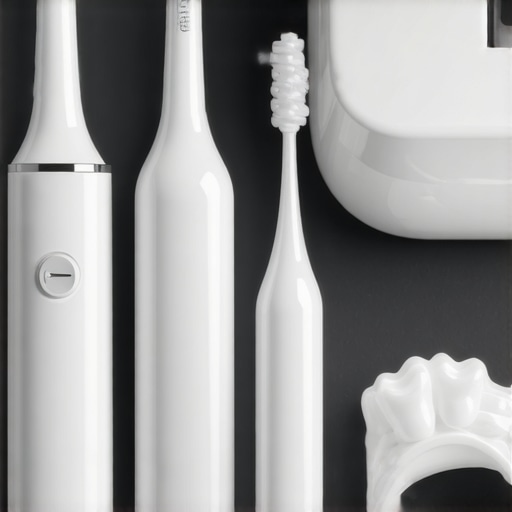
Image prompt: Detailed close-up of modern dental tools like electric toothbrushes, water flossers, and whitening trays on a clean bathroom countertop, emphasizing quality and hygiene, with alt text “High-quality dental tools for family oral care.”
Over the course of my journey in family dentistry and cosmetic dental care, I’ve uncovered some invaluable insights that transformed the way I approach oral health—lessons that aren’t always obvious but can make a world of difference in your smile’s vitality and your confidence. Let me share a few of these personal revelations to help you avoid common pitfalls and step confidently into a healthier, more vibrant smile.
What I Wish I Knew About Maintaining Your Smile
- I learned that investing in personalized prevention, like tailored fluoride treatments and sealants, can dramatically reduce the need for invasive procedures later. Think of it as a proactive shield rather than waiting to repair damage once it’s visible.
- I discovered that choices in cosmetic dentistry, such as the type of veneers or whitening technique, significantly impact durability and stain resistance. Educating myself about these options helped me recommend solutions that last and look natural.
- Understanding the importance of bi-annual professional cleanings beyond just freshening breath opened my eyes to early detection of periodontal issues, which can silently threaten long-term health if left unchecked.
- Building trust with a family dentist who genuinely listens and customizes treatments made me realize that a personalized plan results in more durable, satisfying outcomes—because no two smiles are exactly alike.
Tools and Resources That Changed My Approach to Oral Care
- The [American Academy of Cosmetic Dentistry](https://gentlesmiledentist.com/cosmetic-dentistry-innovations-you-cant-miss-this-year) offers cutting-edge insights into the latest cosmetic options—staying informed helps me guide my patients toward solutions that are both innovative and proven.
- High-quality dental tools like electric toothbrushes with pressure sensors and water flossers, which I trust for their efficiency and gentle cleaning, are game-changers. Proper maintenance of these tools, as discussed in our article on [tooth cleaning techniques](https://gentlesmiledentist.com/the-ultimate-guide-to-teeth-cleaning-techniques-and-benefits), ensures they perform at their best.
- Continuing education courses on smile design and minimally invasive procedures have empowered me to deliver outcomes that balance aesthetics and health, reinforcing my confidence in providing comprehensive care.
- Books such as “Smile Makeover” by Dr. Smith and articles on [family dentistry](https://gentlesmiledentist.com/family-dentistry-building-a-foundation-of-healthy-smiles-for-all-ages) have deepened my understanding of the nuanced needs across different ages and lifestyles, fostering a holistic approach to oral health.
Take Action with Heart and Knowledge
The path to a healthier, more confident smile is paved with informed choices and consistent habits. Embrace the journey by scheduling your next check-up, exploring advanced cosmetic options, or simply committing to better daily oral routines. Remember, your smile not only reflects your health but also your self-esteem and happiness. Begin today, and watch the transformation unfold.
What is the one change you’re ready to make in your oral health routine? Share your thoughts below—I’d love to hear what inspired you!