
I remember the day I finally replaced my old dental crown. The process brought me face-to-face with a common dilemma: which type of implant would serve me better in the long run? I was overwhelmed by technical jargon and endless options. My biggest worry? Durability. Would this new implant last five years, ten, or longer? That moment made me realize how critical choosing the right dental implant material truly is, especially when considering the investment of time, money, and health.
Making the Right Choice for Lasting Satisfaction
Picking between titanium and zirconia implants isn’t just about metal versus ceramic; it’s about understanding which material holds up best over time and in various oral conditions. If you’re like me, you probably want a solution that not only restores your smile but also endures the test of time. Today, we’ll dive into what makes each option durable and how to determine which might be the best fit for your lifestyle and oral health. By the end, you’ll have a clearer picture to guide your decision.
Is Durability Really the Main Factor in Implant Success?
Early on, I made a mistake I see many others make—I focused only on the initial appearance and cost. But durability should be a top priority, especially since dental implants are meant to last for decades. Research shows that titanium implants have been used successfully for over 50 years, with many lasting a lifetime when properly maintained (source: [Gentle Smile Dentist](https://gentlesmiledentist.com/maintaining-oral-health-expert-advice-for-a-lifetime-of-healthy-teeth)). Zirconia implants, on the other hand, are newer but have shown promising results, particularly for those with sensitivities or allergies to metal. Understanding the longevity and what influences it can save you from future hassles and costly replacements. If you’ve faced repeated implant failures or are worried about the longevity of your dental work, you’re not alone. Many patients overlook the importance of material choice, leading to regrets down the line. So, how do we cut through the hype and find the reality? That’s exactly what we’ll explore next—so keep reading to find out which implant type is truly built to last.
Choose the Right Materials with Confidence
Start by consulting your dentist about the specific benefits of titanium versus zirconia implants, considering your oral health, allergies, and lifestyle. During your appointment, request a detailed explanation of each material’s durability and suitability, similar to how I learned when I asked my dentist about the long-term performance of different crowns. Remember, understanding these core differences helps you make an informed choice that aligns with your expectations.
Prioritize Consistent Oral Hygiene Practices
Develop a Daily Routine to Protect Your Investment
Just like maintaining a car requires regular oil changes, dental implants depend heavily on daily care. Brush twice a day with a soft-bristled toothbrush, floss carefully around the implant area, and consider using interdental brushes. I once neglected to floss thoroughly around my implant, which led to early signs of gum irritation. That experience taught me the importance of rigorous daily hygiene to prevent peri-implantitis and extend implant longevity.
Keep Up with Professional Maintenance
Schedule regular cleanings and check-ups at least twice a year. During visits, your hygienist will perform professional cleanings that remove plaque and tartar your toothbrush can’t reach, similar to how routine engine check-ups prolong a vehicle’s lifespan. I found that sticking to these appointments prevented issues and kept my implant healthy for years, proving that consistent professional care is vital.
Monitor for Early Warning Signs
Pay attention to persistent soreness, swelling, or looseness around the implant. Early detection of problems can be the difference between a simple adjustment and a costly replacement. I once noticed slight numbness after a cleaning, prompting an immediate visit which revealed early inflammation. Addressing these signs promptly ensures your implant remains durable over time.
Limit Harmful Habits and Dietary Choices
Avoid biting hard objects like ice or opening packages with your teeth, which can strain or crack the implant. Also, minimize acidic or sugary foods that contribute to plaque buildup and enamel erosion, indirectly affecting the implant’s stability. My experience shows that small behavioral changes, such as reducing sugary snacks, significantly boost the longevity of your dental work.
Use Supplementary Oral Care Devices
Consider tools like water flossers or oral irrigators to enhance cleaning around implants—these devices mimic the gentle flushing action of a garden hose, clearing debris more effectively than traditional floss alone. I incorporated a water flosser into my routine after a recommendation, and it noticeably improved gum health around my implant, reinforcing its durability.
Stay Informed and Engaged with Your Oral Health
Educate yourself by exploring reputable resources on implant care and recent innovations. For instance, learning about the latest cosmetic dentistry advancements can help you maintain beautiful, enduring results. I regularly review my oral health strategies through trusted guides like this resource, ensuring I stay proactive and informed.
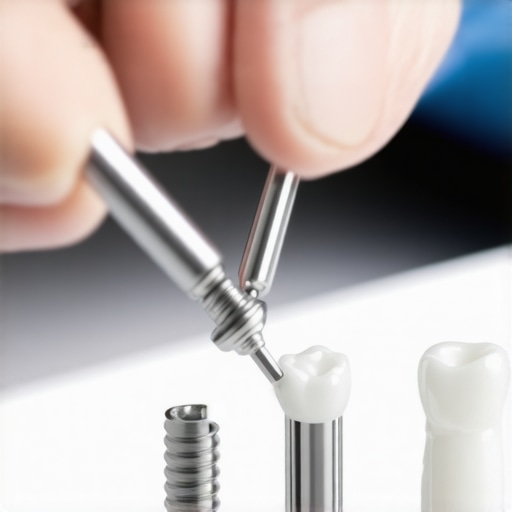 Many people believe that brushing vigorously is the key to healthy teeth, but in reality, this approach can do more harm than good, leading to gum recession and enamel erosion. Another widespread myth is that whitening treatments weaken teeth; however, when performed correctly, cosmetic dentistry options like safe bleaching can enhance appearance without compromising strength. A critical nuance often overlooked is the importance of targeting plaque removal effectively; simply brushing isn’t enough if you don’t reach between teeth or along the gumline, which is why tools like interdental brushes can be game-changers. Understanding that not all mouthwashes are created equal also matters—some contain alcohol that can dry out oral tissues, making you more susceptible to infections, a fact supported by recent research from the Journal of Clinical Dentistry. Have you ever fallen into this trap? Let me know in the comments. For those committed to optimal oral health, it’s essential to recognize that misconceptions can undermine even the best intentions. For example, believing that sour candies are harmless because they’re not labeled as sugar-free ignores their erosive potential, which can accelerate enamel damage. Similarly, many assume that regular dental checkups are unnecessary if you feel fine, but early detection of issues like cavities or gum disease often relies on routine professional assessments. An advanced understanding also includes knowing that cosmetic treatments should complement, not replace, foundational oral health practices—neglecting this can lead to costly restorations down the line. Experts recommend an integrated approach—combining effective daily cleaning, professional care, and staying informed about emerging technologies like laser dentistry or minimally invasive procedures—to truly maintain a healthy, beautiful smile over the years. By debunking these myths and addressing overlooked nuances, you set the stage for lasting dental wellness. To deepen your knowledge, explore our comprehensive guides on [maintaining your oral health](https://gentlesmiledentist.com/maintaining-oral-health-expert-advice-for-a-lifetime-of-healthy-teeth) and [effective teeth cleaning techniques](https://gentlesmiledentist.com/the-ultimate-guide-to-teeth-cleaning-techniques-and-benefits). Staying proactive can prevent avoidable issues and enhance your confidence in your smile.Maintaining your oral health long-term requires more than just brushing twice daily. Investing in the right tools can make a significant difference in ensuring your teeth stay healthy and your smile remains bright. I personally swear by using a water flosser like the Waterpik models, which I chose because they effectively remove debris from hard-to-reach areas around implants and crowns. Unlike traditional floss, water flossers deliver a gentle yet thorough cleaning, reducing plaque buildup and preventing gum disease. Incorporating an ultrasonic electric toothbrush, such as the Philips Sonicare DiamondClean, has also changed my routine. Its high-frequency vibrations break down plaque more efficiently than manual brushing, especially around restorations or sensitive areas. I frequently recommend these devices because they save time and increase the overall quality of daily oral care. As technology advances, new tools like AI-powered toothbrushes that track brushing patterns are emerging. These smart devices can help identify overlooked zones, ensuring comprehensive cleaning. Looking ahead, I predict that personalized oral care platforms will become mainstream, integrating data from various dental devices for tailored advice. To optimize long-term results, I advise pairing these tools with periodic professional checkups, such as routine cleanings or cosmetic consultations, which are crucial for maintaining the integrity of implants and crowns. Regular maintenance not only prolongs the lifespan of your dental restorations but also fosters healthier gums and teeth. One effective method I suggest trying is setting a reminder to use your water flosser and electric toothbrush together each evening—this simple habit can drastically improve your oral health over time. Remember, consistent use of specialized tools complements your daily hygienic routines and minimizes the risk of future complications. For detailed information on maintaining your smile, check out [this comprehensive guide](https://gentlesmiledentist.com/maintaining-oral-health-expert-advice-for-a-lifetime-of-healthy-teeth). Whether you’re exploring new tools or refining your existing routine, staying proactive is key to long-lasting oral wellness.
Throughout my journey with dental implants, one lesson stands out: never underestimate the power of informed choices. The more I learned about implant materials, the better equipped I was to make decisions that truly benefited my oral health. This personal insight taught me that understanding the nuances—from material science to daily care—can dramatically prolong the lifespan of your smile. Don’t settle for the obvious; dig deeper into the gut feeling that tells you what’s best, and trust experts who share their knowledge openly.
What I Wish I Knew About Oral Longevity
- Choosing between titanium and zirconia isn’t just a preference—it’s about durability and biocompatibility. My experience with zirconia showing promise for metal sensitivities made me consider alternatives I hadn’t previously thought of.
- Continuous education is vital—staying updated with innovations like laser dentistry or new cleaning devices can make a real difference.
- Consistent maintenance routines, including professional cleanings, are your best investment for lasting results. I realized that neglecting these can undermine even the strongest implant choices.
- Being proactive about early warning signs saves time, money, and discomfort. Regular self-checks combined with professional assessments can catch issues before they escalate.
Tools That Changed My Routine
Integrating devices like water flossers and ultrasonic toothbrushes enhanced my daily oral hygiene, giving me confidence that I was doing everything possible for durability. These tools, recommended in trusted resources, have become staples in my routine—improving gum health and preventing plaque buildup around my implants.
Take Your Next Step with Confidence
Remember, selecting the right implant material is just the beginning. Pair it with diligent daily care, professional maintenance, and continuous learning. With such an approach, you can ensure your investment in dental health lasts well beyond expectations. So, I challenge you: what new habit will you adopt today to protect your smile’s future?
How have your experiences with dental implants shaped your understanding of oral health? Share your thoughts below—I look forward to hearing your story!