
It was a Saturday afternoon when I finally realized why my child’s teeth seemed more sensitive than usual. During a routine brushing, she winced and pulled away. I had overlooked something crucial—her favorite school snacks. That lightbulb moment made me dive into the world of school lunch items and their impact on kids’ dental health. If you’ve ever watched your child’s face scrunch up in pain after a sugary treat, you’re not alone. Many parents are unknowingly feeding their kids cavities without realizing which foods are culprits.
Why School Lunch Choices Can Make or Break Your Child’s Dental Health
Early on, I made the mistake of assuming that all snacks were equal when it came to their effect on teeth. Turns out, some foods are silent villains, quietly increasing the risk of cavities. These aren’t just simple cavities we all hear about—they are persistent and can lead to bigger dental issues if ignored. The good news? With a little awareness and proactive steps, parents can shield their kids’ smiles from these hidden threats. Today, we’re going to uncover which school lunch items cause the most cavities and how you can help your child make smarter choices.”
Is Sugar Really the Main Enemy, or Is There More to the Story?
Back in the day, I believed sticky candies were the primary concern. Wrong. While they are indeed problematic, other common snack items like flavored yogurts, fruit snacks, and even some granola bars secretly pack cavity-causing agents. I learned this the hard way, by watching my kid’s dental checkups become more frequent despite diligent brushing. A study published in the Journal of Clinical Dentistry supports this, revealing that foods with high carbohydrate content, even if not overtly sweet, can foster acid-producing bacteria in the mouth.
So, what’s the real mistake I made early on? Neglecting to read nutrition labels carefully. Assuming that “healthy” snacks wouldn’t harm teeth. This oversight could have cost her her smile.
Imagine knowing exactly which foods to avoid and how to replace them with tooth-friendly options. That’s what we’ll explore next. If you’re tired of last-minute trips to the dentist or worried about your child’s dental health, keep reading. Together, we’ll clarify those confusing snack choices and ensure your kid’s smile stays bright and healthy for years to come.
Choose Tooth-Friendly Snacks Deliberately
Start by replacing sugary, sticky foods with nutrient-rich, low-sugar options. Opt for crunchy vegetables like carrots or celery, which naturally help clean teeth. According to the American Academy of Pediatric Dentistry, crunchy produce acts as a natural toothbrush, reducing plaque buildup. When packing snacks, use a checklist—if it contains added sugars or sticky textures, consider alternatives. I learned this the hard way when my child brought flavored yogurt daily, unknowingly exposing her enamel to acids. Swapping those for plain Greek yogurt with fresh berries reduced her cavity risk significantly.
Read Nutrition Labels Like a Detective
Get into the habit of scrutinizing ingredient lists for hidden sugars, syrups, and preservatives. Foods labeled as ‘healthy’ can still contain unwanted agents. For example, some granola bars have high fructose corn syrup disguised as fruit flavoring. When I started reading labels carefully, I found several snacks I considered healthy were actually cavity threats. Now I compare ingredients across brands, prioritizing options with minimal processed sugars, which helps maintain a balanced pH level in your child’s mouth.
Implement Daily Oral Hygiene Routines Post-Lunch
Encourage your child to rinse thoroughly with water after eating, followed by brushing if possible. This dislodges food particles and neutralizes acids. In my experience, a quick rinse is better than no action at all, especially during school hours. I keep a travel-sized toothbrush and fluoride rinse in my child’s backpack for midday cleanings. This habit drastically reduces acid exposure and plaque formation, preventing cavities from forming overnight.
Enhance Cleaning with Interdental Tools
Adding floss or interdental brushes helps remove debris between teeth where a brush can’t reach. I introduced my daughter to fun, colorful floss picks, making her excited to floss after lunch. Consistent flossing reduces plaque buildup and prevents gum disease, which is vital for overall oral health. Remember, proper flossing techniques matter—slide gently up and down without snapping the floss into gum tissue.
Limit Acidic Beverages and Food Intake
Acids from sodas, fruit juices, and citrus snacks weaken enamel. Instead, encourage drinking water or milk with meals. I set a family rule: no sodas during the week, replacing them with infused water. This simple change helped preserve my child’s enamel integrity. Maintaining hydration also stimulates saliva production, which naturally rinses away acids and buffers pH levels in the mouth.
Maintain Regular Dental Checkups
A professional exam and cleaning twice a year detect cavities early and reinforce good habits. I schedule appointments around school breaks to ensure consistency. During visits, I ask about any concerns and seek advice on improving my child’s dental routine. Early detection of issues like demineralization allows preventive measures before cavities develop.
Involve Your Child in Snack Selection and Oral Care
Teaching kids about healthy choices empowers them to take responsibility for their dental health. I let my daughter choose her snacks from a pre-approved list, making her feel involved. Demonstrating proper brushing and flossing techniques through hands-on practice ensures they learn effective habits. These steps foster a sense of ownership that lasts beyond childhood.
While most patients understand the basics of brushing and regular checkups, there’s a common misconception about what truly contributes to long-term oral health. Many believe that routine cleanings alone suffice, but in my expert experience, neglecting the deeper nuances can lead to overlooked issues like early enamel erosion or subtle gum disease signs that don’t hurt—yet. For instance, some assume that cosmetic procedures, like veneers, are purely superficial, but advancements in cosmetic dentistry are increasingly offering functional benefits that strengthen teeth, a fact often missed by many. Additionally, there’s a prevalent myth that flossing is optional; however, neglecting interdental cleaning can allow plaque buildup in areas no brush can reach, accelerating decay.
A significant trap I advise avoiding is assuming all dental products are equally safe. Not all mouthwashes or whitening agents are suitable for every patient, especially those with sensitive gums. Using high-alcohol or abrasive products can inadvertently damage enamel or cause recession over time. According to a 2022 study by the American Dental Association, personalized oral care plans incorporating specific products and techniques dramatically improve outcomes—another point many overlook.
For advanced readers pondering, “How do emerging cosmetic innovations influence the health of natural teeth?”—the answer is nuanced. Technologies like laser treatments for gum contouring not only enhance smile aesthetics but also promote healthier tissue by reducing bacteria and minimizing tissue trauma. Its dual benefit exemplifies how cosmetic and health benefits are becoming increasingly intertwined.
The ‘oops’ factor here is overestimating the impact of DIY whitening or over-the-counter solutions without professional guidance. These can damage enamel or cause uneven results, leading to more extensive (and expensive) interventions later. This highlights the importance of consulting experienced family dentists—like those at our practice—to develop customized, safe strategies.
Ultimately, understanding these nuanced differences and myths helps families make informed decisions that foster lifelong oral health. Have you ever fallen into this trap? Let me know in the comments and share your experiences or questions about nuanced dental care.
Keeping It Working: My Recommended Tools for Optimal Oral Care
Maintaining a healthy smile over the years requires more than just regular brushing and flossing—it demands the right tools and consistent routines. One device I personally swear by is the ultrasonic toothbrush, such as the Philips Sonicare DiamondClean. It provides superior plaque removal by vibrating at high frequencies, reaching areas manual brushes often miss. Incorporating this into your daily routine can significantly improve long-term oral health. Additionally, I recommend using water flossers like the Waterpik Ultra, especially for patients with braces or dental implants. They effectively remove debris and bacteria from hard-to-reach spaces, reducing cavity and gum disease risks. Investing in quality tools not only enhances cleaning efficiency but also encourages adherence to daily routines.
Another crucial aspect is employing a fluoride rinse, like Act Restoring Mouthwash, which strengthens enamel and helps remineralize early-stage decay. Regularly replacing your toothbrush head—about every three months—ensures cleaning efficacy and reduces bacterial buildup. Modern smart toothbrushes that sync with apps can track your brushing habits, providing personalized feedback—I’ve found them invaluable in fine-tuning my technique and staying motivated.
Looking ahead, the future of dental tools trends toward AI-driven devices that monitor and adapt to individual oral health needs, offering real-time feedback and professional insights from home. This evolution promises to make maintaining oral health more personalized and accessible than ever.
How do I maintain these tools over time?
Proper maintenance involves rinsing devices thoroughly after use, replacing parts as recommended by manufacturers, and storing them in dry, hygienic environments. Regularly disinfecting your water flosser or toothbrush head with antibacterial solutions enhances longevity and reduces bacterial growth. Staying consistent with these practices ensures your investment continues to deliver optimal results. For comprehensive guidance on at-home maintenance, consider visiting our detailed oral health maintenance tips.
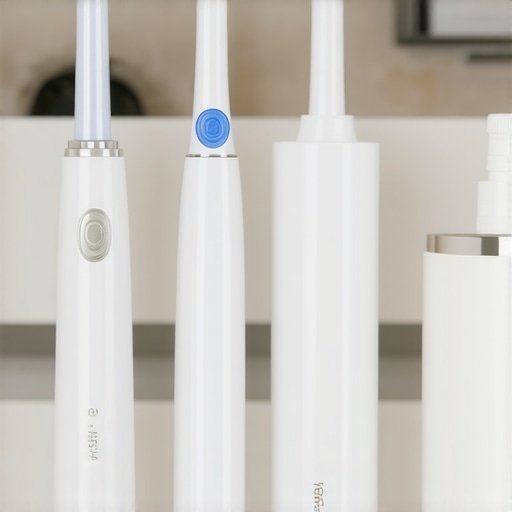
Visualize your ideal routine with an image of a well-organized toothbrush and water flosser setup, emphasizing cleanliness and order.
What I Wish I Knew About Dental Myths That Hold Parents Back
One of the most eye-opening lessons I’ve learned is that many well-intentioned parents unknowingly fall into traps set by common dental myths. For instance, believing that all sugary foods are equally damaging can lead to unnecessary restrictions rather than targeted, effective strategies. Realizing that some cavity-causing foods are sneaky and easy to overlook was a game-changer for me. It’s these lightbulb moments—being aware of misconceptions—that truly empower us to make smarter choices for our children’s oral health.
Another deep lesson was understanding the significance of personalized dental care. Cookie-cutter advice doesn’t work for every child, especially when some have unique dental sensitivities or genetic predispositions. Learning to consult with a trusted family dentist, as detailed here, ensures tailored interventions that align with your child’s specific needs.
Lastly, I realized that routine isn’t just about brushing twice a day; it’s about creating a comprehensive, engaging oral health journey. Making flossing fun or involving kids in snack selection solidifies habits that last a lifetime. These lessons, though personal, are backed by the latest research and have truly transformed how I approach my child’s dental well-being.
My Favorite Resources to Keep Your Family Smiling Bright
For anyone serious about understanding the nuances of family dentistry, I recommend the Cosmetic Dentistry Guide. It’s a treasure trove for exploring how cosmetic treatments can also serve functional health purposes. Additionally, I trust this comprehensive resource that offers practical, expert advice tailored for busy families looking to stay ahead of dental issues.
Practically speaking, investing in a quality ultrasonic toothbrush like the Philips Sonicare has made a visible difference in our routines. And for maintaining those hard-to-reach spots, the Waterpik Ultra water flosser has become an indispensable tool, especially for kids learning to clean thoroughly. These tools, paired with regular dental checkups, create a powerful defense against cavities and gum problems.
Finally, staying informed through trusted blogs and subscribing to newsletters from reputable dental clinics keeps me updated on the latest innovations and tips. It’s about creating an active partnership with dental professionals that prioritizes health over aesthetics—something I highly recommend for all parents aiming to give their children healthy, confident smiles.
Your Next Step Toward Lasting Oral Confidence Starts Today
The journey toward a lifetime of bright, healthy smiles doesn’t have to be overwhelming. Instead, with informed decisions, the right tools, and a proactive mindset, you can make significant strides in your family’s dental health. Remember, small, consistent habits compounded over time have extraordinary results. Take that first step today—schedule a consultation here and start building a brighter future for your child’s smile. Your dedication now will echo in years of happiness and confidence to come.
How have you navigated the maze of dental myths and tips in your family? Share your experience or ask a question below—I’d love to hear from you!