
I remember the first time I noticed my child’s gums looking unusually red and inflamed. It caught me off guard—my little one was happy, giggling, and suddenly, I saw those bright pink gums turning a alarming shade of crimson. Panic set in for a moment—was this normal? Was something wrong? I felt helpless, fumbling through online advice that sometimes only added to my confusion.
That experience was a lightbulb moment for me. As a parent, witnessing redness in your child’s gums during the eruption of new teeth can be unsettling. It often triggers fears of infection, allergies, or worse, serious dental issues. But here’s the truth: in many cases, redness and mild swelling are *completely normal parts of the teething process*. Still, it’s crucial to know *what’s* typical and *what signals* that it’s time for professional help.
Today, I promise we’ll demystify this common concern. You’ll learn how to distinguish normal teething symptoms from signs of trouble, and discover simple, safe ways to keep your child’s oral health in check during this gnarly phase. Because, let’s face it—if you’re like me, you want your little one to teeth happily, without discomfort or undue worry.
What’s really happening when gums turn red during teething?
Is gum redness actually worth the hype?
Initially, I made the mistake of thinking every red gum was a sign of infection needing antibiotics. That was a *big* mistake. It’s easy to jump to conclusions when your child is fussier than usual, and their gums look angry. But understanding the *biology of teething* helps us avoid unnecessary worry.
During teething, the emerging tooth pushes through the gums, causing inflammation. This inflammation is a natural response—your child’s body is working overtime to accommodate the new tooth. The redness and swelling are like the gums’ way of saying, “Hey, something’s coming through!” If you want more detailed insights, check out this comprehensive guide on teeth cleaning techniques and benefits. It explains how inflammation is part of the healing process and what you should watch for in terms of severity.
That said, certain signs warrant a trip to the dentist. Persistent, severe redness—especially accompanied by bleeding, pus, fever, or refusal to eat—could indicate an infection or other dental problems. But for most kids, a bit of redness paired with increased drooling and chewing is just part of the rite of passage.
Understanding this helps us breathe easier. We learn to differentiate between the normal teething discomfort and symptoms indicating a deeper issue. With this knowledge, you can support your child better and know when to seek professional advice. So, if you’ve ever felt anxious seeing those red gums and wondered whether it’s just a phase or something more, you’re certainly not alone—and now, you’re better equipped to handle it.
Keep the Gums Clean with Gentle Brushing
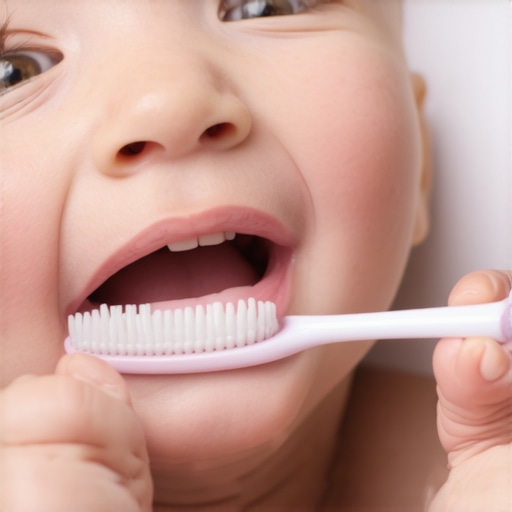
One of the most straightforward ways to manage gum redness is to gently brush your child’s gums with a soft, damp cloth or a child-specific toothbrush. I remember the first time I did this after noticing my baby’s gums inflamed; I was cautious, using minimal pressure, but the soothing effect was noticeable. This routine helps remove excess saliva and food particles, reducing irritation and preventing bacterial buildup that could complicate normal teething discomfort.
Choose the Right Tools
Select a toothbrush designed for infants or toddlers—small head, soft bristles. For infants, wiping the gums with a clean finger or a soft cloth dipped in water can suffice. As your child grows, transitioning to a toothbrush encourages good habits early. Incorporate this step into your daily routine, ideally after feeding or before bed, to keep gums healthy and minimal redness.
Use Appropriate Relief Methods
Applying a chilled, clean teething ring can numb the gums temporarily, easing redness and swelling. I once froze a washcloth wrapped around a teething ring for my kid, and the relief was immediate — plus, it kept the item sanitary. Avoid frozen gels or liquids that can pose choking hazards. The cold constricts blood vessels, reducing inflammation and discomfort, which can be very soothing for your baby.
Incorporate Natural Remedies Carefully
Massaging the gums with a clean finger can promote blood flow and provide comfort. During one notable evening, I gently massaged my child’s gums after noticing increased redness; it helped calm the inflammation. Always ensure your hands are clean to prevent infection. Some parents also use chamomile or other natural remedies, but consult your pediatric dentist to confirm safety before applying any herbal treatments.
Monitor and Recognize Signs of Trouble
Stay vigilant for persistent redness, bleeding, or signs of infection such as pus, fever, or refusal to eat. I learned this the hard way when a reappearance of redness was accompanied by high fever; a quick trip to the dentist confirmed an infection needing prompt treatment. Early recognition prevents complications and ensures your child’s comfort during teething.
Schedule Regular Dental Visits
Visit a pediatric dentist before your child’s first birthday or at the first signs of oral issues. Dentists can provide personalized advice, detect emerging problems early, and offer treatments or recommendations for managing symptoms like redness. Establishing this habit early creates a foundation for lifelong oral health and helps you understand what normal teething looks like for your child.
Maintain Consistent Oral Care Routine
Consistency in oral hygiene supports healthy development. Making brushing, relief tools, and regular checkups a routine reduces anxiety and improves outcomes. Remember, gentle persistence pays off. This approach helped me not only soothe my child’s gums but also build a positive attitude toward dental care that lasts into adulthood.
By applying these steps—gentle cleaning, targeted relief, vigilant monitoring, and professional guidance—you can effectively manage gum redness during teething. Every child is different, so adapt routines to your needs and consult your dentist for tailored advice. Consistent, careful attention will help your little one navigate this phase with less discomfort and a healthier smile.
 Many people believe that brushing harder or more often will lead to cleaner, healthier teeth. However, this misconception can actually cause more harm than good, such as enamel erosion and gum recession. The truth is, effective oral hygiene is about quality, not quantity; gentle brushing with proper technique and the right tools, like a soft-bristled toothbrush, are essential for maintaining enamel integrity and gum health. Overusing whitening toothpastes or aggressive brushes can weaken teeth over time, increasing sensitivity and decay risk. Additionally, there’s a widespread myth that flossing is optional or unnecessary for adults, but consistent flossing is proven to remove plaque in areas a toothbrush cannot reach, significantly lowering the chance of gum disease and cavities. Despite this, many neglect this vital step due to misinformation or discomfort, which can lead to serious periodontal issues later on. When it comes to cosmetic dentistry, some people assume all procedures are purely aesthetic or risky, but advances like minimally invasive veneers and laser whitening have transformed outcomes, providing safe and durable solutions for brighter smiles. Be cautious, though—many fall into the trap of choosing cheap, unproven treatments or DIY kits that can damage enamel or cause infections, underscoring the importance of consulting certified dental professionals. For families, the common mistake is delaying routine checkups for children, thinking primary teeth don’t matter. Yet, early dental visits help identify potential problems, establish good habits, and prevent more complex issues as permanent teeth develop.
What advanced approach can truly optimize your oral health routine?
Embracing a personalized, science-backed strategy—aligned with the latest research—takes your dental hygiene to the next level. Studies show that tailored cleaning and preventive protocols, such as professional cleanings combined with custom at-home care, significantly reduce the risk of cavities and periodontal disease, ensuring a lifetime of healthy smiles. To deepen your understanding, check out this comprehensive guide on teeth cleaning techniques and benefits. Remember, avoiding shortcuts and trusting evidence-based practices makes the biggest difference. Be vigilant about signs of overbrushing, like worn enamel or gum recession, and always consult with a dental professional to tailor your care plan. Don’t forget—regular checkups are your best defense against hidden issues that could cost much more if neglected. Are you making any of these common mistakes? Have you ever fallen into this trap? Let me know in the comments.Maintaining your oral health over the years requires more than just regular brushing and flossing—it demands a strategic approach with the right tools and routines. I personally swear by my ultrasonic scaler for professional cleanings; it efficiently removes plaque and tartar, reaching areas that manual tools often miss. During routine visits, I recommend combining ultrasonic devices with adjuncts like dental Air Floss, which use microburst technology to dislodge debris from between teeth while reducing gum irritation. For at-home maintenance, I trust high-frequency sonic toothbrushes such as the Philips Sonicare DiamondClean, because their oscillating-rotating bristles provide superior plaque removal and stimulate gums gently. Investing in a quality water flosser, like the Waterpik Sonic-Fusion, has transformed my daily flossing routine, making it easier to maintain areas around braces or implants—truly a game-changer for my family dentistry practices. Looking ahead, I believe innovations like AI-powered toothbrushes that analyze brushing patterns will further personalize oral care and prevent issues before they escalate.
How do I maintain my dental tools to ensure long-term performance?
Regular sterilization is fundamental—routinely disinfecting devices like ultrasonic scalers with autoclaves ensures sterility and prolongs their lifespan. Replace brush heads every three months and keep your water flosser reservoirs clean to prevent bacterial buildup. Cleaning your sonic toothbrush’s brush heads with antibacterial solutions weekly keeps bacteria at bay and maintains efficacy. When selecting tools, prioritize ergonomic designs and gentle but effective bristle configurations that suit your oral anatomy, minimizing trauma and maximizing cleaning. Consistency is key; set a weekly schedule for deep cleaning your devices and inspecting for wear and tear. Remember, investing in quality tools lowers the risk of micro-damage or bacterial contamination and saves money on frequent replacements. The future of dental technology points toward smart appliances with self-cleaning features and app integrations for real-time feedback—these advancements will empower patients to sustain optimal oral health at home. Don’t forget to check this comprehensive guide on teeth cleaning techniques and benefits to fine-tune your routine. Try incorporating a smart sonic toothbrush with app-guided coaching today—it might just revolutionize your daily oral care practices.
Lessons from My Own Teething Trials
- Always trust that mild gum redness is a natural part of teething; I once panicked over a little pink, thinking infection was imminent. Now, I know inflammation is just your child’s body’s way of making way for new teeth.
- Delayed professional advice can turn a manageable situation into a bigger issue. Regular checkups with a pediatric dentist help distinguish between normal redness and signs of concern, like pus or fever.
- Gentle oral hygiene is a game-changer—using soft brushes or damp cloths helps soothe inflamed gums and prevents bacteria buildup, which I learned the hard way.
- Applying cold teething rings or massaging gums offers quick relief, but knowing when redness signals trouble is crucial; persistent or severe symptoms warrant a dental visit.
Tools That Turn Routine Into Confidence
- My go-to resource is the ultimate guide to teeth cleaning techniques and benefits; it’s packed with scientifically-backed advice that helps me keep my child’s gums healthy and calm during teething.
- Investing in a soft, age-appropriate toothbrush has made all the difference—combined with guidance from trusted resources, it ensures my child’s oral development stays on track.
- Consulting with a pediatric dentist regularly provides personalized insights beyond books or online advice, which I found invaluable for navigating concerns like gum redness.
- Advanced tools like silicone finger brushes and safe teething gels—used judiciously—have empowered me to soothe without overdoing it, guided always by professional recommendations.
– Your Next Step Toward Confident Parenting
Remember, every child’s teething journey is unique—what’s most important is staying informed and proactive. Embracing this approach means less worry and more joyful moments as your child grows confident in their smile. If you’re curious about optimizing your child’s oral health or have experiences to share, I welcome your thoughts below. Have you ever felt overwhelmed by gum redness or other teething signs? Let’s talk!