
I’ll never forget the day I found myself biting into a crunchy apple and feeling that sharp, uncomfortable jolt. Turns out, my tooth was more fragile than I thought after the root canal procedure. It was a sobering lightbulb moment—that the foods I ate directly impacted my recovery. I realized I needed to rethink my eating habits overnight to protect my healing tooth and avoid setbacks.
Why Your Food Choices Post-Root Canal Matter
Recovering from a root canal isn’t just about sticking to painkillers and rest. The foods you consume can make or break your healing process. Soft, gentle nourishment helps minimize irritation, reduce the risk of dislodging the temporary filling, and promote quicker recovery. Skipping this step can lead to prolonged discomfort or even more invasive procedures down the line.
Are Some Foods Really Better Than Others?
Absolutely. Think of your mouth as a delicate garden, and your foods as the nutrients needed for proper growth and healing. Choosing the right foods can accelerate healing. On the flip side, crunchy, sticky, or acidic foods could re-injure fragile tissues or cause complications. I learned this the hard way early on, mistakenly munching on a crusty piece of bread, which scanned as an innocent choice but ended up irritating my sensitive tooth. That mistake taught me to choose wisely and look for foods that support healing instead of sabotaging it.
It’s also worth noting that some foods can even help fight infection and reduce inflammation directly, like incorporating soft fruits or anti-inflammatory greens into your diet. You might want to check out professional tips on oral health to support your recovery overall.
So, have you faced this challenge? Finding the perfect post-root canal foods can be a real puzzle, but I promise—once you get the hang of it, healing becomes a lot smoother. Ready to explore what foods will support your recovery and keep that smile shining? Let’s dive into practical steps to optimize your diet during this vital healing phase.
Choose the Right Soft Foods and Stick to Them
Start by preparing a list of soft foods such as mashed potatoes, yogurt, scrambled eggs, and smoothies. During my own recovery, I realized that even slightly chewy or crunchy foods could disrupt healing, so I committed to sticking with these gentle options for at least the first week. To make this transition easier, I keep a variety of these foods ready in my fridge, making it simple to avoid temptation. Remember, texture matters—avoid anything sticky or hard that could dislodge your temporary filling or irritate your gums. Incorporate nutrient-rich options like avocados and well-blended vegetables to support tissue repair.
Establish a Routine for Oral Hygiene That Supports Healing
Use Gentle Techniques
Rather than scrubbing vigorously, use a soft-bristled toothbrush and gentle strokes around the treated area. I demonstrated this when cleaning my mouth after a dull ache, realizing that aggressive brushing might cause more harm. Focus on cleaning the unaffected teeth thoroughly, and use a fluoride rinse to strengthen enamel and reduce sensitivity. Regular flossing is still essential, but be careful around the treated area—use floss picks or wrap floss gently to avoid causing bleeding. For detailed techniques, check out this comprehensive guide.
Avoid Rinsing Immediately After Eating
Rinsing with mouthwash or water right after meals can wash away essential minerals needed for repair. During my first week post-procedure, I learned to wait at least 30 minutes before rinsing, allowing saliva to naturally protect the wound. If you feel debris, gently rinse with warm saltwater—this not only cleans the area but also soothes inflammation. A simple saltwater rinse can be made by dissolving half a teaspoon of salt in a cup of warm water, which speeds up healing and reduces bacterial growth.
Integrate Foods That Fight Infection and Reduce Inflammation
Incorporate soft, anti-inflammatory foods like ripe berries, cucumber slices, and leafy greens. I added smoothies with turmeric and ginger, which are known for their healing properties, and noticed a decrease in swelling and discomfort. These foods serve as natural allies, helping to combat residual bacteria and promote tissue regeneration. Avoid acidic foods such as citrus or vinegar, which can irritate the sensitive tissue and slow down recovery. Remember, your diet during this phase acts like a supportive team working behind the scenes to safeguard your healing process.
Monitor for Any Signs of Complication
Keep an eye out forpersistent swelling, bleeding, or increased pain beyond what’s expected. I learned this lesson the hard way when I ignored slight swelling and ended up with an infection. If symptoms worsen or don’t improve within a few days, consult your dentist promptly. Regular check-ins during recovery, guided by professional advice, can prevent minor issues from turning into serious complications. You can find more about effective monitoring techniques in this article.
Limit Harmful Habits to Protect Your Healing Tooth
Avoid using your teeth as tools to open packages or biting on non-food items. I accidentally bit into a pen cap, a mistake that caused discomfort and risked dislodging my temporary filling. During recovery, it’s crucial to minimize trauma—chewing only on the unaffected side, abstaining from smoking, and avoiding very hot or cold drinks, which can exacerbate sensitivity. Using a mouthguard during sleep is also advisable if grinding or clenching occurs. These precautions act as physical shields, safeguarding the delicate repair underway.
Seek Professional Guidance When Needed
Never hesitate to reach out when in doubt. Inform your dentist about any unusual symptoms or setbacks. During my own recovery, I found that scheduling a follow-up visit helped me clarify doubts and ensured my healing was on track. Regular professional cleanings and exams are essential, as they can identify issues early—think of them as routine checkups for your body’s most vital components. For a detailed overview of how professional cleanings can prevent major dental issues, visit this resource. Integrating consistent care and mindful eating habits sets the stage for a smooth, quick recovery, and a healthier smile for years to come.Many people believe that regular teeth cleaning and routine dental visits are enough to maintain optimal oral health, but in reality, there’s much more beneath the surface. A common myth is that brushing harder or more frequently ensures cleaner teeth—however, over-brushing can actually damage gums and enamel, leading to sensitivity and recession. Professional cleanings reach areas your electric toothbrush might miss, providing a comprehensive approach that promotes long-term health, as detailed in the article on teeth cleaning techniques.
Keeping It Working: Essential Tools for Lasting Oral Health
Maintaining a vibrant, healthy smile requires more than daily brushing and flossing; it demands the right tools to ensure thorough cleaning and early detection of issues. As someone dedicated to family dentistry and oral health, I highly recommend investing in specific equipment that aligns with professional standards and your long-term wellness goals.
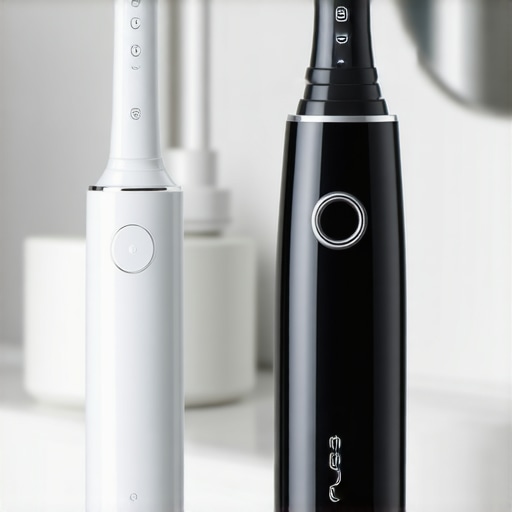
One of my top choices is a Soniclear toothbrush. Unlike standard electric brushes, it uses sonic technology to generate up to 40,000 strokes per minute, reaching deep into periodontal pockets and along gum lines. I personally use the sonic toothbrush daily, appreciating its ability to remove plaque more effectively and reduce gingivitis risk. Regularly updating your brush head and using it with quality toothpaste can sustain this benefit for years.
For interdental cleaning, I advocate for a water flosser. When I transitioned to using models like the Waterpik, I noticed a significant improvement in my gum health and less bleeding during routine exams. Water flossers are particularly advantageous for patients with braces, implants, or bridges, as they reach areas traditional floss struggles to access. Regular use can prevent plaque buildup and reduce the chance of periodontal disease, helping you save on extensive treatments later on. To maximize benefits, incorporate them into your nighttime routine after brushing.
To better monitor your oral landscape, I use a LED mouth mirror with adjustable lighting, making it easier to spot early signs of decay or gum recession. Early identification facilitates simple interventions, avoiding more invasive procedures. Incorporating this tool into your weekly self-exams empowers you to act swiftly before issues escalate. For guidance, this resource illustrates how to perform effective oral self-assessments.
Looking ahead, the trend in dental technology leans toward smart devices that sync with apps to track your habits and suggest personalized care. Integration of AI-driven diagnostics could soon allow remote monitoring, making oral health maintenance more proactive and less reactive. I predict that in the next five years, our tools will become even smarter, helping families stay ahead of dental issues with minimal effort.
How do I maintain these tools over time?
Proper maintenance is key. Regularly replace brush heads every three months, clean your water flosser nozzles to prevent bacterial buildup, and store tools in dry, sanitary places. Additionally, adhere to manufacturer instructions for charging and calibration to ensure consistent performance. Life-long oral health depends greatly on the reliability of your tools, so treat them as essential parts of your daily routine.
Finally, don’t overlook the value of professional cleanings, which can complement these tools by reaching areas that at-home devices might miss. For even more insights into achieving a brighter smile and preserving your dental investments, consider exploring these expert tips. Invest in high-quality tools and proper maintenance today—your future self will thank you.
What Truly Transformed My Approach to Family Dentistry and Oral Care
Over the years, I realized that the most impactful lessons come from personal experiences and honest reflections. One lightbulb moment was understanding that consistent, mindful habits in family dentistry and oral health can prevent issues before they even arise. I learned to listen carefully to my patients’ stories, recognizing that every smile has a unique journey, and tailoring preventive care accordingly leads to lasting results.
Tools and Resources I Swear By to Maintain a Healthy Smile
Investing in high-quality tools like a sonic toothbrush and water flosser has genuinely changed the game for me. I trust these because they’ve proven their worth time and again, reaching areas standard devices often miss. Additionally, I recommend books such as “Teeth Cleaning Secrets” which offers actionable tips that easily fit into daily routines, empowering patients to take control of their oral health with confidence.
Empowering Your Smile Starts Today—Here’s How
If you’re ready to elevate your dental health and embrace a brighter, healthier smile, start with small, consistent steps. Remember, every positive habit builds on the last, creating momentum toward long-term success. Don’t wait for problems to arise—take proactive action now by applying what you’ve learned, exploring new tools, and seeking professional guidance when needed. After all, your smile is your most valuable asset—nurture it every day.
What daily habit has made the biggest difference in your dental routine? Share your story below—I’d love to hear how you’re making your smile better!