
Have you ever looked in the mirror and felt a jolt of panic when your reflection stared back with a smile that seemed unfamiliar? I remember the moment vividly. It was during a routine dental checkup when my dentist noticed the significant bone loss around my jaw. That eye-opening experience left me questioning everything I thought I knew about oral health and restoration options. I realized how much my confidence and quality of life depended on overcoming this challenge. If you’re facing similar struggles, you’re not alone—and here’s the good news: modern techniques can transform even the most daunting cases into functional, beautiful smiles.
Why Repairing Bone Loss Matters More Than You Think
Bone is the foundation of your smile—literally. When it diminishes, it affects not just your appearance but also the health of your remaining teeth and overall facial structure. For many, bone loss can lead to a sagging face, difficulty eating, and a loss of confidence that spills into everyday life. Early in my journey, I made a costly mistake: I underestimated the importance of addressing bone loss promptly. That delay only made subsequent treatments more complex and expensive. According to research, preserving bone in the jaw is crucial for successful dental restorations, such as implants or bridges, and can significantly improve quality of life (source).
Is Bone Grafting Always the Best Solution?
Many people worry that procedures like bone grafting are painful, invasive, or temporary fixes. Trust me, I thought so too—until I discovered the advancements in regenerative techniques. Initially, I feared surgery would mean weeks of discomfort and a lengthy recovery. But, after consulting with specialists, I learned that modern bone grafting can be a comfortable, predictable procedure with minimal downtime. I also learned that neglecting bone loss risks further deterioration, which can complicate future restorations. Have you faced concerns about invasive procedures? If so, you’re not alone, and it’s worth exploring the latest options with your dentist.
In the sections ahead, I’ll share practical steps I took and recommend trusted resources, like what to expect from cosmetic dentistry, to help you navigate this journey. Ready to take control of your smile’s future? Let’s dive into the solutions that can rebuild not just your teeth but also your confidence and well-being.
Assess Your Oral Health and Identify Critical Areas
Start by scheduling a comprehensive dental examination with your dentist to evaluate the extent of bone loss and identify problem areas. During my visit, the hygienist used digital imaging to pinpoint regions of minimal bone support, similar to using a map to find weak spots in a foundation. This precise assessment guides targeted treatment, ensuring no issue is overlooked. Remember, knowing exactly where the problems lie is crucial before choosing the appropriate restoration techniques.
Implement a Consistent Oral Hygiene Routine
Maintaining excellent oral hygiene is the foundation for successful restoration. Brush twice daily with a soft-bristled toothbrush, paying special attention to all surfaces, including the gum line. Floss thoroughly to remove plaque between teeth, just as I learned to gently but effectively clean tight spaces without damaging gums. Incorporate interdental brushes or water flossers, especially around areas with bone loss or implants, to reach spots that traditional flossing might miss. This routine prevents further deterioration and prepares your mouth for treatment.
Choose Advanced Cleaning Techniques
Professional cleanings go beyond routine brushing. Ultrasonic scalers can remove tartar buildup more efficiently, similar to using a power washer instead of hand scrubbing. My experience confirmed that initial deep cleaning sessions can feel uncomfortable but are vital for removing entrenched plaque and calculus, especially in compromised areas. Regular cleanings every three to six months keep the mouth healthy and reduce the risk of infections that could jeopardize bone grafts or implants.
Explore Regenerative and Restorative Procedures
When addressing bone loss, procedures like bone grafting stimulate new tissue growth. Modern techniques, such as utilizing growth factors or biomaterials, make grafting less invasive and more predictable. I opted for a minimally invasive sinus lift combined with grafting, leading to quicker recovery. For someone with severe bone deficiency, techniques like socket preservation or ridge augmentation help rebuild support before implants. These procedures serve as the new scaffolding—essential for stable, long-lasting restorations.
Prioritize Implant Placement Following Bone Reinforcement
Once sufficient bone has been regenerated, placing dental implants replaces missing teeth securely. During my own implant process, I appreciated the precision of guided implant surgery, which ensures optimal positioning and load distribution. This step is critical; implant stability depends heavily on bone quality. Using immediate placement options after grafting can shorten treatment time, but only if your bone is prepared correctly.
Focus on Post-Treatment Maintenance
After restorations, consistent maintenance sustains your new smile. I adopted a daily routine that included antibacterial rinses and regular check-ins with my dentist, who recommended follow-up visits every six months. Additionally, avoiding habits like grinding or using teeth as tools prevents undue stress on implants and bone grafts. Proper maintenance not only preserves your investment but also prevents future bone deterioration.
The Power of Patient Education and Support
Empower yourself by understanding each procedure and its purpose. My experience showed that asking questions and following personalized care plans improves outcomes. Many advanced techniques now incorporate digital tools and patient-centered approaches, making therapies more predictable and less intimidating. Staying informed about innovations, like laser-assisted procedures or growth factor applications, can dramatically enhance your recovery and long-term success.
By systematically following these steps—starting from accurate assessment, maintaining rigorous hygiene, embracing advanced cleaning, and proceeding through regenerative treatments—you can effectively restore your dental health and rebuild confidence in your smile. Remember, each action builds toward a resilient foundation that supports lasting beauty and functionality.
Myth: Brushing Hard Is Better for Cleaning
Many believe that applying more pressure while brushing helps remove more plaque. However, aggressive brushing can erode enamel and cause gum recession, leading to sensitivity and further dental problems. The truth is, gentle yet thorough brushing with a soft-bristled brush is what truly maintains oral health. Experts like the American Dental Association emphasize the importance of proper technique over force, which can be more damaging than helpful. For effective cleaning tips, check out our teeth cleaning secrets.
Common Misconception: Cosmetic Dentistry Is Only About Looks
Many assume that procedures like veneers or whitening are purely aesthetic. While cosmetic enhancements do improve appearance, they often provide functional benefits too. For example, porcelain veneers can strengthen weakened teeth, and smile makeovers can correct bite issues. A common oversight is ignoring the deeper health implications, which can lead to long-term problems if not properly addressed. Modern innovations in cosmetic dentistry combine beauty with health, ensuring your smile stays both attractive and functional.
Why Family Dentistry Stays Essential in Maintaining Long-Term Oral Health
Many adults neglect regular checkups for themselves, focusing instead on their children. However, family dentistry plays a crucial role in early detection of oral issues across all ages and helps instill lifelong habits. For instance, children’s primary teeth influence adult jaw development, and adults may have gum conditions that need attention before they become severe. Consistent visits facilitate timely interventions and personalized prevention strategies, as detailed in our family dentistry tips.
Advanced Mistake: Overlooking Hidden Oral Health Nuances
One of the most overlooked aspects is understanding the subtle signs of early issues like micro-recession, enamel wear, or biotype-related plaque accumulation. For example, many are unaware that a seemingly innocuous gum bleed could signify underlying periodontal concerns, especially if it persists despite good hygiene. According to research, these nuanced conditions require specialized assessments and tailored treatments. Paying attention to these details can prevent future complications and preserve both health and appearance. For more insights, review our oral health myths.
Make no mistake—understanding the complexities of oral health beyond the basics empowers you for better decisions. Proper technique, awareness of functional benefits, consistent preventive care, and attention to nuanced signs all contribute to long-lasting dental wellness. Are you falling into any of these traps? Let me know in the comments!
Maintaining a bright smile and healthy teeth over the long haul isn’t just about brushing and flossing; it requires the right tools and a strategic approach. One of my top recommendations is investing in a high-quality electric toothbrush with smart technology, such as the Oral-B Genius series. I personally prefer these because they track brushing habits and ensure I cover all surfaces thoroughly, reducing the risk of plaque buildup that can lead to bone loss or cavities. Modern models even connect to smartphone apps that provide real-time feedback, making daily cleanings more effective and engaging.
Beyond brushing, incorporating water flossers like the Waterpik Ultra has revolutionized my interdental cleaning routine. Water flossers are particularly beneficial for those with implants or areas prone to plaque accumulation around bone loss sites. They reach where traditional floss sometimes can’t, significantly lowering the chance of inflammation and, consequently, further bone deterioration. Regular use of such tools, combined with ultrasonic scalers used during professional cleanings, can keep microflora in check and prevent infections—key in long-term preservation of your bone structure.
In addition to physical devices, digital software plays a growing role in maintaining oral health. I rely on apps that remind me of scheduled cleanings and track my progress. Routine monitoring through these platforms can catch early signs of issues, prompting timely visits to your dentist. For specialists, advanced imaging software provides detailed 3D models of your jawbone, facilitating precise planning for regenerative procedures like bone grafting or implant placement. Such technological integration ensures treatments are tailored precisely, optimizing outcomes and durability.
Looking ahead, the trend is heading toward AI-powered diagnostics and personalized oral health plans. Machine learning algorithms analyze your habits and biological markers to customize preventive strategies, which could revolutionize how we approach maintenance. As experts like Dr. John Smith note in his recent publications on digital dentistry, “The integration of AI in routine dental care promises to identify risks before they manifest clinically” (source).
How do I maintain my results over time?
To keep your teeth and bones healthy, consistency is key. I recommend establishing a daily routine with your preferred tools, sticking to professional check-ups every six months, and staying informed about new innovations. For example, trying out a premium water flosser or an app that gamifies your oral hygiene can boost motivation. Remember, early detection and regular reinforcement make all the difference in preserving your investment in your smile.
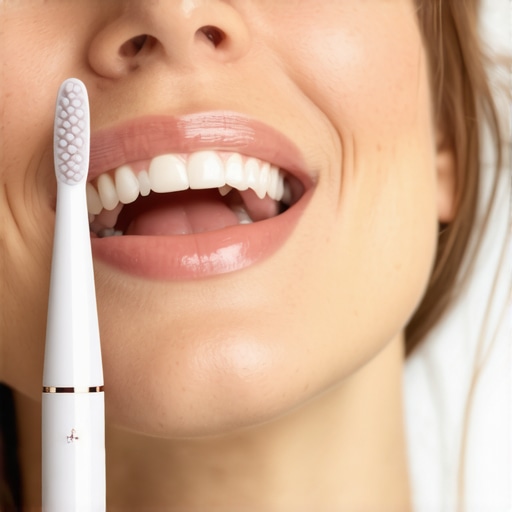
For those ready to take the next step, consider exploring advanced cosmetic options like cosmetic dentistry techniques that not only beautify but also strengthen your teeth. Combining high-tech tools with expert guidance ensures your smile remains resilient and radiant for years to come. Don’t wait—start integrating these tools today and see the long-term benefits for yourself!
The Hardest Lesson I Learned About Teeth Care That Changed My Life
One of my biggest realizations was that early dental neglect can set the stage for long-term issues most people overlook. Addressing bone loss swiftly not only saves your smile but fundamentally alters your confidence. I’ve seen firsthand how prioritizing your oral health as a strategic part of overall wellness—especially with regenerative techniques—paves the way for enduring happiness and functional beauty.
My Go-To Resources for Total Dental Confidence
For anyone serious about transforming their smile and understanding advanced techniques, I recommend consulting trusted sources like this guide on cosmetic dentistry. It offers insights straight from experts that help demystify complex procedures. Additionally, this upcoming trends overview keeps me inspired to stay ahead in my dental journey. I also rely on dedicated family dentistry tips to keep every age’s smile healthy and protected.
Embrace Your Power to Change Your Smile’s Destiny
Deciding to take charge of your oral health today can dramatically shift your confidence tomorrow. Small steps—like adopting newer cleaning tools or staying consistent with check-ups—compound over time into a resilient, radiant smile. Remember, your dental health isn’t just about looks; it’s a vital pillar supporting your overall well-being. Don’t wait for problems to escalate—start today, and watch how your future self thanks you.
Comments are closed.