
It was a moment I won’t forget. Standing in front of the mirror, I noticed my reflection was brimming with confidence—but beneath my bright smile, a quiet pain led me to question everything I thought I knew about teeth whitening. I’d tried everything—harsh gels, abrasive strips—and each time, my sensitive teeth erupted in discomfort, making me dread even the thought of a brighter smile. One day, it hit me: there had to be a safer way. And you know what? There is. Today, I want to share the real, gentle approach that transformed my dental routine and can do the same for you.
Why Safe Whitening Matters for Sensitive Teeth
Everyone loves a radiant smile, right? But for those of us with sensitive teeth, the pursuit of brightness can be a painful quest. The truth is, many over-the-counter whitening options are too aggressive, damaging enamel and irritating nerve endings—leading to increased sensitivity rather than improvement. Early on, I made the mistake of believing that whitening was a one-size-fits-all solution; I didn’t realize that my sensitive teeth needed special care and gentler methods. This oversight not only worsened my discomfort but also compromised my oral health.
The good news? You don’t have to suffer to achieve a whiter smile. With the right techniques and products, you can safely whiten your teeth without pain, preserving your enamel and maintaining overall oral health. Incorporating expert advice can help you avoid common pitfalls and ensure your journey to a brighter smile is both safe and effective.
Is Natural Whitening Actually Worth the Hype?
When I first started exploring safe whitening options, I was skeptical. Would natural remedies really move the needle? Or was I just chasing illusions? I remember trying charcoal powders and hydrogen peroxide rinses, only to find my sensitivity worsened. The key is understanding that not all natural methods are gentle or effective for everyone. Consulting trusted sources like [Gentle Smile Dentist](https://gentlesmiledentist.com/maintaining-oral-health-expert-advice-for-a-lifetime-of-healthy-teeth) reveals that even natural products can pose risks if used improperly.
So, if you’ve encountered confusion or fear about whitening remedies, know that you’re not alone. The path to a safer, pain-free whitening routine is simpler than it seems—it begins with understanding your unique dental needs and choosing the right approach.
Now, let’s get into practical steps to help you brighten your smile without the pain, keeping your oral health intact. Ready? Let’s go.
Choose the Right Products for Sensitive Teeth
Start by selecting whitening agents specifically formulated for sensitive teeth. Look for products containing potassium nitrate or sodium fluoride, which help calm nerve irritation. I found that switching from harsh gels to a desensitizing toothpaste before whitening made a significant difference. To test a product, apply a small amount first and monitor for any discomfort over a few days.
Establish a Consistent Oral Hygiene Routine
Healthy teeth are the foundation for safe whitening. Regular brushing with a soft-bristled toothbrush and gentle flossing remove plaque, reducing the need for aggressive whitening. I committed to brushing twice daily with a fluoride toothpaste and flossing gently every night. This routine strengthened my enamel, making subsequent whitening safer.
Limit Acidic and Sugar Intake
Acidic foods and sugary snacks weaken enamel, making teeth more susceptible to sensitivity during whitening. I started reducing citrus, soda, and sweets, especially before applying whitening products. This step helped protect my enamel, ensuring brighter results without worsening sensitivity.
Utilize Natural Remedies Cautiously
Some natural options claim to whiten teeth safely, but caution is key. I tried activated charcoal and hydrogen peroxide rinses, but found they increased my discomfort. Instead, I used oil pulling with coconut oil, which improved my oral health without added sensitivity. Always research and, if unsure, consult your dentist before trying natural methods.
Schedule Professional Consultations
Before starting any whitening process, consult a dentist experienced in sensitive teeth care. They can evaluate your enamel and nerve health, recommending personalized treatments. I booked an appointment with my dentist, who suggested a gentle in-office whitening procedure combined with at-home trays designed for sensitive teeth. This professional guidance minimized risks and maximized safety.
Implement Protective Measures During Whitening
Using desensitizing gels or avoiding hot and cold foods around whitening sessions reduces discomfort. I applied a fluoride-based gel provided by my dentist after each session to soothe my teeth. Additionally, I avoided consuming staining foods immediately after whitening, giving my enamel time to recover.
Stay Consistent and Patient
Achieving a brighter smile safely takes time. I maintained a routine of gentle whitening treatments, spaced appropriately, and ensured I didn’t overuse products. Patience prevented damage, and I noticed gradual, pain-free improvements. Remember, quick fixes often backfire—focus on steady, safe progress for lasting results.
Many people believe that maintaining oral health is just about brushing and visiting the dentist regularly, but the real nuances often get overlooked. For example, the idea that more frequent brushing always equates to better oral health is false; aggressive brushing can wear down enamel and cause gum recession. Instead, focusing on gentle, effective techniques is key, as highlighted in teeth cleaning secrets.
A common myth is that flossing alone can prevent cavities and gum disease. However, improper flossing technique or neglecting to use the right type of floss can lead to bleeding gums and even recession. It’s crucial to understand that flossing should complement a comprehensive routine that includes proper brushing and professional cleanings. Many overlook that plaque buildup beneath the gum line is a hidden threat, which can be effectively addressed through regular, professional teeth cleanings.
When it comes to cosmetic and family dentistry, there’s a misconception that whitening treatments are suitable for everyone. In reality, certain advanced cases require specialized care, and attempting over-the-counter products without guidance might cause sensitivity or damage, especially for those with existing issues like enamel erosion. Consulting a professional ensures tailored solutions, as discussed in cosmetic dentistry insights.
A nuance often missed is the importance of occlusion, or how your teeth come together. Many focus solely on appearance or cleaning, but misaligned bites can lead to TMJ disorders, uneven wear, and even receding gums. Advanced diagnostics and personalized treatment plans, as outlined in expert advice, are essential to prevent these issues.
Furthermore, there’s a trap in assuming that dental health is solely about avoiding cavities. Recent studies, such as those published in the Journal of Clinical Periodontology, show the link between gum disease and systemic health problems like cardiovascular disease. This broader perspective underscores the importance of comprehensive care beyond just teeth cleaning.
**Ever fallen into one of these traps?** Understanding these nuances can significantly improve your dental care strategy. Remember, a healthy smile isn’t just a matter of brushing harder or skipping appointments—it’s about informed, tailored choices. For more detailed insights, visit this comprehensive guide to maintaining oral health for life.Maintaining a healthy smile over the years requires more than just regular brushing and flossing; it hinges on choosing the right tools and techniques tailored to your dental needs. One tool I personally swear by is the **electric toothbrush with adaptive brushing technology**. Unlike traditional brushes, this device adjusts its brushing intensity based on your pressure, reducing the risk of gum recession and enamel wear, particularly crucial for those with sensitive teeth.
For instance, I use the **Oral-B Genius X**, which features AI recognition of brushing habits, helping me ensure I cover all areas effectively while avoiding overbrushing. This smart technology not only enhances plaque removal but also helps prevent damage caused by excessive force. As dental technology evolves, I predict an increased integration of AI-driven tools that personalize oral care routines, ensuring better long-term results.
Another game-changer is **water flossers** like the **Waterpik Sonic-Fusion**. I incorporate it into my daily routine because it provides a thorough clean for areas that traditional floss might miss, especially alongside braces or implants. The pulsating water jets loosen plaque and reduce inflammation, contributing to healthier gums—a vital component of cosmetic and family dentistry.
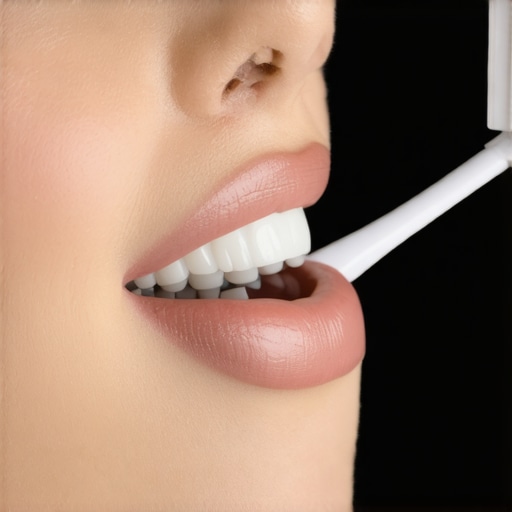
The secret to sustained oral health lies in consistent, precise maintenance. Regular use of these advanced tools, combined with professional guidance, can significantly enhance your dental longevity. Remember, the goal isn’t just cleaning—it’s creating a resilient oral environment that withstands plaque buildup and sensitivities over time.
So, I encourage you to try the **adaptive electric toothbrush** I’ve highlighted—it’s a small investment for lifelong benefits. And always remember to complement these tools with routine dental checkups and cleanings, which are fundamental to preventing issues before they arise. To learn more about maintaining your oral health effectively, check out this expert advice. Combining smart tools with professional care ensures your smile stays vibrant and healthy for years to come.Throughout my journey to a healthier, brighter smile, I’ve learned that the most valuable insights often come from personal experience and expert guidance alike. Here are some insider lessons that transformed my approach to sensitive teeth whitening and overall dental wellness.
What I Wish I Knew About Gentler Whitening Techniques
- Not all whitening products are created equal—choosing formulations designed for sensitive teeth made all the difference for me. I discovered that products with potassium nitrate significantly reduced discomfort, a tip I wish I had known earlier.
- Over-the-counter gels can be tempting, but they might do more harm than good if not chosen carefully. Consulting with a dental professional ensures you select safe options tailored to your needs.
- Natural remedies like oil pulling and baking soda rinses have their place, but they aren’t miracle solutions. Proper oral hygiene combined with gentle whitening strategies yields the best results without risking sensitivity or enamel damage.
Tools and Resources That Changed My Perspective
- Electric toothbrushes with adaptive technology: Devices like the Oral-B Genius X helped me maintain oral health while protecting sensitive areas. Their intelligent brushing patterns made regular routines more effective and safer.
- Water flossers: Incorporating tools like the Waterpik Sonic-Fusion improved my gum health and complemented my gentle cleaning routine, making dental care both easier and more effective.
- Expert blogs and dental advice sites: Resources such as [Gentle Smile Dentist](https://gentlesmiledentist.com/maintaining-oral-health-expert-advice-for-a-lifetime-of-healthy-teeth) provided practical, scientific insights that empowered me to make informed decisions about my oral health.
- Professional dental consultations: Never underestimate the value of personalized advice. My dentist guided me towards treatments specifically suited for sensitive teeth, which was a game-changer.
Embracing Progress and Staying Inspired
Seeing my smile improve without the pain was an emotional milestone. It reminded me that patience, consistency, and seeking expert guidance can lead to lasting, positive change. I encourage you to prioritize gentle, informed care—your smile is worth it! For further tips, I recommend exploring this comprehensive guide to lifelong oral health.
What has been your biggest challenge in achieving a pain-free whitening routine? Share your experiences below—let’s support each other on the journey to healthier, brighter smiles!