
I remember sitting in that sterile dental chair, my heart pounding louder than the drill, feeling every jab and twinge of my extraction. It was one of those moments where I thought, “There has to be a better way.” If you’ve ever faced a complicated wisdom tooth removal, you know the anxiety that can turn an ordinary dental procedure into a mental marathon. That discomfort, the uneasy anticipation—it’s enough to make anyone consider avoiding the dentist altogether. But what if I told you there’s a way to bypass that stress and pain almost entirely?
Why Modern Sedation Techniques Are Changing the Game
Traditional wisdom tooth removal isn’t just about pulling teeth; it can be a nerve-wracking ordeal, especially when the procedure is complex. For years, I dreaded the thought of enduring hours of discomfort, sedation options being limited, often leaving me groggy and disoriented afterward. But over time, I discovered a game-changer: IV sedation. This method allows patients like us to undergo procedures with less anxiety and discomfort, and the results are truly remarkable.
Imagine being awake during the procedure, but so relaxed that you barely feel a thing. That was my experience with IV sedation—no more cringing at every tug, no more post-procedure grogginess. A recent study found that IV sedation reduces patient anxiety and pain perception significantly during dental surgeries, especially for complex cases like impacted wisdom teeth. It’s become a go-to solution for many dental practices wanting to elevate patient comfort.
Are you tired of dreading your next dental visit? Has the thought of a complex procedure kept you from seeking the care you need? Trust me, you’re not alone. Many patients make the mistake early on of ignoring their dental issues because of fear or discomfort, only to face more serious problems later. That’s why exploring sedation options is essential.
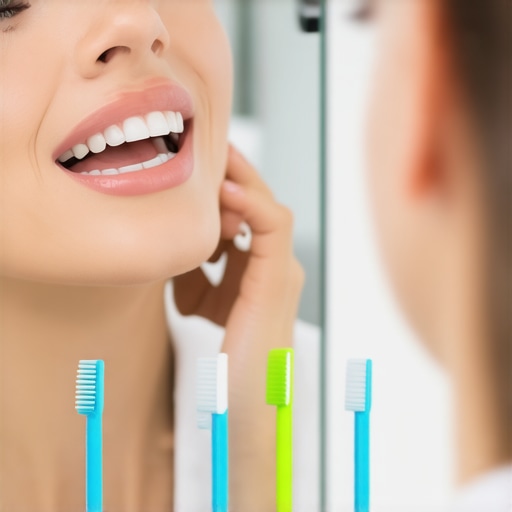
In the upcoming sections, I’ll share how IV sedation works, why it’s a safer and more effective choice for complex wisdom tooth removal, and how you can determine if it’s right for you. No more suffering in silence—let’s see how modern sedation techniques can truly transform your dental experience.Proper teeth cleaning is vital for maintaining overall oral health and preventing dental issues. To start, identify the right tools: a soft-bristled toothbrush and fluoride toothpaste are essential. I remember the first time I tried a new electric toothbrush; switching from manual brushing meant I had to adapt my technique, which initially led to some sore gums, but eventually improved my cleaning efficiency significantly.
Mastering the Correct Brushing Technique
Angle and Duration
Position your toothbrush at a 45-degree angle to your gums. Use gentle circular motions, covering every surface of your teeth for at least two minutes. When I started paying attention to my brush angle and duration, I noticed a reduction in plaque buildup and fresher breath.
Don’t Forget the Tongue
Gently brush your tongue to remove bacteria responsible for bad breath. I once neglected this step, and halitosis persisted despite regular brushing. Incorporating tongue cleaning made a visible difference.
Using Floss Effectively
Flossing reaches those tight spots between teeth where brushes can’t. Loop about 18 inches of floss around your fingers, slide gently between teeth, and curve around each tooth in a C-shape. My initial attempts with floss were messy—breaking and bleeding gums—but persistence and proper technique improved my oral health substantially.
Implementing Mouthwash Routines
Select an antimicrobial or fluoride mouthwash. Rinse for about 30 seconds after brushing and flossing. I found that mouthwash not only freshened my breath but also strengthened my enamel over time.
Establishing a Regular Dental Checkup Schedule
Visit your dentist at least twice a year for professional cleaning and checkups. Regular visits can catch issues early. Early in my routine, I once delayed a checkup, which led to a more complicated problem that could have been easily managed with timely intervention. Now, I schedule appointments in advance to stay consistent.
Dietary Habits to Enhance Oral Health
Limit sugary and acidic foods; instead, consume dairy, vegetables, and fiber-rich fruits. I replaced sugary snacks with crunchy vegetables, which naturally help clean teeth and stimulate saliva production.
Complement with Advanced Techniques
Consider additional procedures like sealants or fluoride treatments as advised by your dentist. Modern innovations, such as laser cavity detection and miniaturized whitening devices, can further support your oral health goals. Curious about cosmetic enhancements? Discover how cosmetic dentistry can boost your confidence.
Consistent, mindful habits combined with professional care create a solid foundation for dental health. Applying these steps daily will help you enjoy a brighter, healthier smile for years to come.Many people think they know the basics of oral health, but the truth is, there’s a lot more beneath the surface that can make or break your smile longevity. For instance, a prevalent myth is that brushing harder cleans teeth better—yet, excessive force can damage enamel and gums. It’s a common trap that leads to recession and sensitivity, highlighting the importance of proper technique over brute strength. Additionally, some believe that whitening treatments are purely cosmetic with no risk—however, overuse or improper application can cause irreversible enamel erosion, which is why consulting with a professional is crucial.
A lesser-known nuance involves the role of saliva in maintaining oral health. Saliva naturally neutralizes acids and provides minerals for remineralization, yet many overlook the significance of hydration and stimulating saliva production through chewing sugar-free gum. Neglecting this balances the mouth’s pH and prevents decay, an advanced insight that isn’t widely recognized.
**What advanced mistakes do people often make in cosmetic and family dentistry?** Interestingly, one common error is choosing low-cost, DIY whitening kits or over-the-counter appliances without professional guidance. These can cause uneven bleaching, nerve damage, or further sensitivity. According to a study in the Journal of Clinical Dentistry, misuse of non-professional whitening products can lead to permanent enamel damage and gum irritation. It underscores why seeking expert advice is essential, even for seemingly simple procedures.
Moreover, many underestimate the importance of comprehensive family dentistry. They focus only on their own dental health, ignoring the benefits of early interventions in children. Regular visits not only prevent dental emergencies but also allow for the early detection of misalignments or decay, which can be harder to address later. Check out family dentistry tips to understand how establishing a routine early on creates long-term benefits.
Have you ever fallen into this trap? Let me know in the comments. The more you understand these hidden nuances, the better you’ll be at making informed decisions—ensuring your smile lasts a lifetime.Maintaining optimal oral health over the long term requires more than just good intentions; it demands the right tools and consistent routines. As someone deeply invested in dental care, I’ve curated a selection of equipment and methods that have proven effective, durable, and easy to incorporate into everyday life. These tools not only help preserve your current smile but also support cosmetic and family dentistry goals, ensuring your investment in dental health pays off for years to come.
First, consider your toothbrush choice. I personally transitioned to an oscillating-rotating electric toothbrush because it provides superior plaque removal compared to manual brushes. Specifically, models like the Oral-B Genius series feature advanced pressure sensors that prevent overbrushing, which can erode enamel and gum tissue. The built-in timers ensure you brush for the recommended two minutes, a simple yet crucial detail to maximize cleaning efficiency.
Next, investing in a water flosser, such as the Waterpik Sonic-Fusion, has transformed my daily routine. This device combines flossing and rinsing in one step, making interdental cleaning more thorough and accessible, especially those hard-to-reach areas. According to the American Dental Association, water flossers are highly effective for removing debris and reducing plaque, especially for those with braces or periodontal issues.
For whitening and cosmetic enhancement, I recommend a LED teeth whitening kit with proven safety and efficacy. Modern options like the AuraGlow incorporate professional-grade gels coupled with heat and light accessories to accelerate whitening. Regular use of such a kit, combined with professional guidance, can maintain the brightness achieved through cosmetic procedures. Incorporating these tools into your routine supports long-term results, preventing discoloration and staining.
In addition to physical tools, leveraging software like dental health monitoring apps can help you stay organized and consistent. I use MySmilePlan, which reminds me of upcoming checkups, tracks my oral hygiene routines, and allows me to log issues as they arise. These digital aids make it easier to follow through with regular visits and prevent problems from escalating.
Looking ahead, advancements in dental technology are poised to further simplify and improve maintenance. For example, AI-driven brushing devices and sensor-equipped implants are becoming more accessible, providing real-time feedback and early detection of issues. According to the American Dental Association, these innovations will likely become standard in preventive dentistry within the next decade, making oral care more precise and personalized.
**How do I keep my dental tools and routines effective over time?** Regular replacement of toothbrush heads—ideally every three months—prevents bacterial buildup and maintains cleaning power. Similarly, periodic calibration or replacement of whitening gels ensures safety and effectiveness. Routine visits to your dental professional for professional cleanings and evaluations are vital; they help detect early signs of wear or underlying issues that tools alone cannot address.
If you’re ready to elevate your dental maintenance game, I encourage you to try upgrading your toothbrush and incorporating a water flosser into your daily routine. These simple, targeted steps can yield significant long-term benefits. Need personalized advice tailored to your dental needs? Feel free to reach out here and schedule a consultation. Remember, investing in the right tools today paves the way for a healthier, brighter smile tomorrow.
What I Wish I Knew About Dental Anxiety Before My First Extraction
My initial experience with wisdom tooth removal taught me that dental fears often stem from misinformation and past trauma. Realizing the importance of choosing the right sedation transformed my approach and comfort during procedures. It’s a lesson in advocating for your own needs and trusting your dental team to provide options that suit you best.
How Small Changes Can Make a Big Difference in Oral Hygiene
Switching to an electric toothbrush and incorporating tongue cleaning was a game-changer in my routine, reinforcing that consistent, deliberate efforts outweigh the intensity of brushing. These adjustments remind us that effective oral health is often about quality, not force, and that attention to detail can prevent future problems.
The Power of Education Over Fear
Learning about the science behind saliva, pH balance, and the risks of DIY whitening gave me the confidence to invest in professional care and advanced tools. Knowledge dispels myths and empowers us to make choices grounded in science, leading to better long-term results and less anxiety about treatment options.
My Personal Registry of Trusted Tools and Resources
From my electric toothbrush to professional whitening kits and dental apps, each tool has been vetted through personal experience and trusted recommendations. These resources are vital in maintaining a proactive stance on oral health, demonstrating that investing in quality tools can yield sustainable benefits.
The Lasting Impact of Small Habits and Professional Guidance
Frequent visits and everyday mindful practices build a foundation of lifetime oral health. Remember, adopting a holistic approach that combines modern technology, expert advice, and consistent routines can lead to a smile that’s not just bright but resilient. And if you’re curious about the latest innovations, exploring cosmetic dentistry advancements can inspire your journey toward a confident smile.
Your Move Toward Better Dental Care Starts Today
Taking charge of your oral health might seem daunting at first, but each small step counts. Whether it’s upgrading your tools, scheduling regular checkups, or simply learning more about your mouth, every action contributes to long-lasting wellness. What’s the next step you’re willing to try to improve your dental routine? Share your thoughts below!