
I’ll never forget the moment I looked in the mirror and realized my smile wasn’t as bright as it used to be during my orthodontic journey. Despite diligently wearing my clear aligners, I noticed gaps lingering longer than they should have. It was then I stumbled upon a simple yet often overlooked cause—my attachments inside my mouth weren’t getting the attention they needed. That realization hit me hard: neglecting to clean attachments can cause aligners to fail, prolong treatment, and even damage teeth. Honestly, I was guilty of brushing and rinsing but ignoring those tiny attachments stuck to my teeth—thinking they’d naturally stay clean. Little did I know, those attachments are like tiny magnets for plaque and bacteria if ignored.
How Small Details Can Make a Big Difference in Your Orthodontic Success
Is Your Daily Routine Enough to Keep Attachments Clean?
Early in my practice, I made the mistake of assuming that regular brushing was enough to maintain my aligners and attachments. I learned the hard way that attachments are prime spots for plaque buildup—and if neglected, it can lead to staining, decay, and even attachment failure. Regular cleaning routines that overlook these small but critical areas often result in longer treatments and compromised results. Want to avoid this? Prioritize meticulous oral hygiene, including brushing around attachments and using interdental brushes designed for braces or aligners. For more detailed strategies, check out this comprehensive guide.
Why Neglecting Attachments Can Cost More Than Time
Failing to keep attachments clean doesn’t just slow down your treatment—it can lead to staining, caries, and even the need for replacement procedures. As someone who initially underestimated this aspect, I saw firsthand how neglecting tiny details can snowball into bigger problems. Keeping your attachments spotless ensures your aligners fit properly, work effectively, and your smile stays healthy. Ready to learn the practical tips to keep those attachments pristine and your treatment on track? Stay tuned, because the next sections will uncover the exact steps you can take starting today, to ensure your clear aligners succeed—and your smile shines brighter than ever. If you’re facing challenges with cleanliness or unsure where to start, don’t hesitate to reach out for professional guidance.
Establish a Consistent Cleaning Routine
Use Specialized Tools
After my own experience with stubborn plaque buildup, I started incorporating interdental brushes designed for aligners and attachments. These tiny brushes are like micro-scrapers that reach places standard toothbrushes miss, ensuring every nook and cranny is clean. I soaked my tools in antibacterial mouthwash weekly to eliminate bacteria, which significantly reduced staining and kept attachments sparkling. Make this a daily habit: brush twice, use interdental brushes, and rinse thoroughly. Regular routines prevent plaque from hardening into tartar, which is much harder to remove later.
Integrate Flossing Smartly
Flossing around attachments might seem tricky, but using floss threaded through a thin, stiff applicator made a world of difference for me. It’s like passing a tiny rope through the fence to scoop out debris—efficient and effective. This step prevents decay between teeth and around attachments. I learned the importance of gentle, steady movements to avoid dislodging attachments or damaging gums.
Prioritize Proper Oral Hygiene Habits
Brush with Right Technique
Believe me, scrubbing vigorously with a regular toothbrush isn’t enough—it’s like sweeping the floor with a broom but ignoring the corners. I switched to a soft-bristled electric toothbrush, which mimics professional cleaning motions. Small circular strokes around each attachment and under the gumline removed plaque effectively without causing irritation. Consistent brushing twice daily, especially after meals, prevented buildup and staining on my attachments.
Use the Right Dental Products
I discovered that certain toothpaste formulations contain less abrasive agents, which are gentle enough for attachments yet effective against plaque. Fluoridated toothpaste fortified my enamel and protected against decay. Additionally, I used a probiotic mouth rinse after brushing to balance oral bacteria, reducing acid attacks that weaken teeth and attachments. Choosing the right products is crucial for long-term success in maintaining oral health.
Adopt Advanced Cleaning Techniques
Incorporate Water Flossers
Switching to a water flosser was a game-changer. Think of it as a high-pressure garden hose that blasts away debris from hard-to-reach spots. I directed the jet around each attachment, especially along the gumline, for a thorough cleanse. This method complemented brushing and flossing, reducing plaque accumulation significantly.
Schedule Regular Professional Cleanings
Nothing replaces expert intervention. I scheduled cleanings with my dentist every four to six months, during which they used ultrasonic scalers to remove tartar buildup safely. This proactive approach prevented issues that could lead to attachment failure or staining. Regular check-ups also let your dentist identify early signs of problems, saving time and money in the long run.
Maintain a Healthy Diet and Lifestyle
Limit Staining Foods and Drinks
I cut back on coffee and red wine, which are notorious for staining teeth and attachments. Swapping them for clear herbal teas or water helped keep my smile bright. Using a straw also minimized contact with the front teeth, reducing staining risk.
Stay Hydrated and Avoid Sugary Snacks
Water helps wash away food particles and bacteria, while sugary snacks fuel plaque growth. I replaced snack attacks with crunchy vegetables and cheese, which stimulate saliva flow and protect enamel further. Maintaining healthy habits supports your diligent cleaning efforts and prolongs the integrity of attachments.
Keep Communication Open with Your Dentist
Whenever I noticed any looseness or discomfort with my attachments, I immediately contacted my dental provider. Early intervention prevented minor issues from becoming major setbacks. Regular dialogue with your dentist ensures your treatment stays on track and amplifies the effectiveness of your care routines.
Applying these concrete steps, I saw a marked improvement in my treatment progress and overall oral health. Remember, meticulous care isn’t just about aesthetics—it’s about preserving the integrity of your attachments and ensuring your smile remains healthy and radiant.
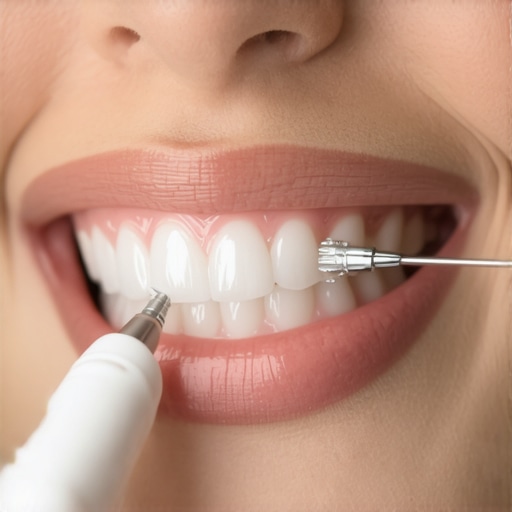 Many assume that brushing twice a day and flossing weekly are sufficient for maintaining optimal oral health, but the truth is far more nuanced. One common misconception is that more aggressive brushing—think scrubbing with excessive force—leads to cleaner teeth. However, this habit can erode enamel and recede gums over time, paradoxically worsening your oral condition. Recognizing the importance of gentle yet thorough cleaning is vital; using soft-bristled brushes and proper technique ensures effective plaque removal without damage. Additionally, many underestimate the significance of individualized dental care routines tailored to their unique needs. Factors like saliva composition, enamel strength, and even hormonal fluctuations influence how your mouth responds to various products and routines. Consulting with your dentist to customize your oral hygiene regimen can prevent common pitfalls and enhance outcomes. For example, certain dental conditions necessitate specific toothpaste formulations, like those containing fluoride or calcium-based remineralizers, which often go unrecognized by the general public. It’s equally crucial to understand the myths surrounding oral health; the belief that mouthwash alone can prevent cavities is misleading, as it cannot replace mechanical cleaning methods. Don’t fall into the trap of thinking that silencing symptoms equates to curing underlying issues—regular professional check-ups are essential for catching problems before they escalate. From a deeper perspective, even the timing of brushing relative to meals impacts enamel integrity. Brushing immediately after acidic foods can accelerate erosion, a nuance many overlook. Research indicates that waiting at least 30 minutes post-meal preserves enamel health more effectively, but consumer habits often disregard this advice. To navigate these complexities, it’s wise to seek professional guidance rather than relying solely on generic tips. Regularly visiting your family dentist and staying informed about advancements can make a significant difference. For comprehensive strategies, check out [this detailed guide](https://gentlesmiledentist.com/how-regular-teeth-cleaning-can-prevent-major-dental-issues). Remember, understanding these subtle aspects of dental health empowers you to make informed decisions, ultimately saving time and money while preserving your smile. Have you ever fallen into this trap? Let me know in the comments.
Maintaining excellent oral health requires more than just good intentions; it demands the right tools and methods to ensure long-lasting results. Over the years, I’ve discovered that investing in specialized equipment truly makes a difference in keeping your dental routine effective and effortless. One tool I swear by is the interdental brush. Unlike standard toothbrushes, these tiny brushes excel at cleaning around attachments, brackets, and hard-to-reach areas—particularly during orthodontic treatments. Personally, I use the GumChicle Interdental Brush because of its sturdy yet gentle bristles that glide smoothly around even the most stubborn plaque spots, preventing decay and staining. Incorporating this into my daily routine significantly improved my treatment timeline and overall oral health.
Next, don’t underestimate the power of a water flosser. I transitioned to the Waterpik Aquarius after reading numerous studies highlighting its superior plaque removal capabilities. Its pulsating jets of water clean beneath braces and around attachments better than traditional floss, reducing inflammation and bacteria buildup effectively. For sustained results, I schedule weekly maintenance by sterilizing my water flosser with a vinegar solution, ensuring it’s free of mold and bacteria—an often overlooked but crucial step.
Technology is continually advancing, and now, laser resurfacing is stepping into the picture for cosmetic enhancements with minimal invasiveness. Future trends suggest more integration of laser technology in routine procedures, promising faster recovery times and longer-lasting outcomes. As a proactive patient, staying informed about these innovations allows me to consider options that could save money and time in the long run.
So, how do I maintain these tools over time? Regular cleaning and replacement are vital. I rinse my interdental brushes with hot water after each use and replace them every two weeks to prevent bacteria buildup. My water flosser’s nozzles are swapped out monthly, aligning with manufacturer’s recommendations. Additionally, I routinely check my electric toothbrush’s brush head for wear and replace it at least every three months—this simple step maximizes cleaning efficiency and protects my gums from damage.
To maximize the longevity and efficacy of your dental tools, I recommend integrating these into your routine with discipline. For example, setting a reminder to sterilize your water flosser weekly can keep bacteria at bay and extend its lifespan. Moreover, exploring innovative tools like the latest cosmetic dentistry innovations can inspire you to upgrade your arsenal for better results.
Looking ahead, I predict that smart dental devices linked to mobile apps will become standard—allowing real-time tracking of your oral health status and prompting timely interventions. Staying ahead of the curve can empower you to preserve your smile effectively. To assist in your journey, consider trying out a high-quality interdental brush and establishing a schedule for tool maintenance. These small investments will yield significant long-term benefits, ensuring your dental care remains effective and stress-free. For personalized advice tailored to your needs, don’t hesitate to reach out to your dental professional and explore the best solutions for your unique oral health journey.
What I Wish I Could Tell My Younger Self About Oral Care
Investing time early on in meticulous hygiene practices taught me that small habits yield big results. I learned that neglecting attachments, even the tiniest ones, can undo months of progress. The realization that premium tools and consistent routines save not only time but also money was a game-changer. Sometimes, patience and attention to detail make all the difference—something I wish I had internalized sooner.
Tools and Tips That Transformed My Approach to Smile Maintenance
From interdental brushes to water flossers, I discovered that the right equipment amplifies the effectiveness of daily routines. Trusted resources like comprehensive cleaning guides and professional consultations have been invaluable. These tools and insights helped me stay ahead of potential issues, ensuring my smile stayed radiant and healthy much longer than I expected.
Your Opportunity to Redefine Your Oral Health Journey
The path to a brighter, healthier smile is paved with intentional choices and continuous learning. The more proactive you become, the more confident and comfortable you’ll feel with your dental health. Embrace the small details, use reliable tools, and keep engaging with dental experts. Your future self will thank you for taking charge and making your oral health a priority.
Comments are closed.