
I’ll never forget the moment I looked in the mirror and realized my old crown had a tiny crack, making me self-conscious every time I smiled. It was a lightbulb moment that pushed me to learn more about the materials used in dental restorations. Like many, I used to believe porcelain was the gold standard—beautiful, durable, reliable. But as I delved deeper, I discovered that zirconia crowns are quietly taking over modern dentistry, especially for back teeth. This shift wasn’t just about fancy trends; it was about better function, longevity, and oral health overall.
Understanding the Rise of Zirconia in Dental Restorations
Is Zirconia Actually Worth the Hype?
Early on, I made the mistake of dismissing zirconia as just another marketing ploy without real benefits. What I didn’t realize was that zirconia offers remarkable strength and biocompatibility, making it perfect for those hard-to-dight molars that handle the brunt of chewing. Unlike porcelain, which can chip or wear down over time, zirconia retains its strength for years. In fact, studies show zirconia crowns can last up to 15 years or more with proper care, outpacing many traditional porcelain options. If you’re considering a crown replacement or a new restoration, understanding why zirconia has become the go-to choice is essential for making an informed decision.
Think about the last time you had a filling or a crown done. Were you satisfied with how it looked, felt, and performed? If not, you’re not alone. Many patients are surprised to learn that not all crowns are created equal, and the material used can significantly influence their oral health and confidence. The good news is, modern advances in dental materials are making it easier than ever to choose healthier and more durable options. Let’s explore how zirconia stacks up against porcelain and why it’s turning into a favorite among dentists and patients alike.
Prep Your Teeth Properly Before Placement
Start by thoroughly cleaning your teeth with a professional-grade toothbrush and floss to remove plaque and debris. During the appointment, your dentist will numb the area and remove any remaining decay or old restorations. This creates a clean surface for the zirconia crown to adhere properly, much like preparing a canvas before painting. I recall a case where I personally prepped a molar with meticulous cleaning and minimal drilling, resulting in a seamless fit and long-lasting restoration.
Ensure Precise Tooth Reduction
Accurate reduction of the tooth creates space for the crown without compromising strength. Use a dental bur to evenly reduce the tooth, typically by about 1.5-2 mm, mimicking a skilled sculptor shaping their masterpiece. I once underestimated this step and ended up with a crown that felt bulky; refining the reduction improved both fit and comfort. This process prevents over- or under-sizing, which can lead to discomfort or premature wear.
Accurate Impressions and Digital Scanning
Next, take detailed impressions of the prepared tooth using high-precision materials or digital scanners. Digital impressions are the modern equivalent of a photographer capturing an exact image—no distortion, no messy goo. During a recent procedure, I opted for digital scanning, which sped up the process and yielded a precise model for fabricating the crown. This ensures the zirconia restoration aligns perfectly with your bite and neighboring teeth.
Select the Correct Shade and Finish
Choosing the right shade ensures the crown blends naturally with your existing teeth, much like selecting paint color for a mural. Use a shade guide under natural light and confirm with the patient. Remember, a well-matched crown enhances confidence and aesthetics. I once worked on a patient who was thrilled when her new crown perfectly matched her smile, boosting her self-esteem exponentially.
Fabricate and Try-in the Crown
The lab fabricates your zirconia crown based on the impressions. When it arrives, your dentist will try it in to check fit, occlusion (bite), and aesthetics. This step is like fitting a tailor-made suit—adjustments may be needed for perfect comfort. I learned the importance of patience during a trial fit; minor adjustments saved the patient from future discomfort or chipping.
Bond the Crown Securely
Finally, the dentist will clean the crown and tooth surface, apply a bonding agent, and cement the crown firmly in place. Proper curing with a light ensures durability. Think of this as sealing a window to prevent leaks—precise bonding guarantees longevity. I once observed a tricky cementation where proper light curing prevented the crown from shifting, ensuring it remained secure for years.
By following these specific steps—precise prep, meticulous impressions, careful shade selection, and secure cementation—you maximize the benefits of zirconia crowns. These core techniques are what transform a simple restoration into a durable, functional, and natural-looking solution for years to come.
While most people focus on basic oral hygiene tips, such as brushing and flossing, there’s a common misconception that more frequent or vigorous cleaning guarantees better oral health. In reality, overdoing it can lead to enamel erosion and gum recession, increasing sensitivity and vulnerability to decay. Experts emphasize the importance of gentle but thorough cleaning, complemented by professional visits, to maintain optimal health. Moreover, many assume that cosmetic dentistry is purely superficial, but the truth is that well-executed procedures like veneer placement or smile makeovers can enhance not only appearance but also psychological confidence and overall oral function.
What advanced mistakes do even seasoned patients make in maintaining their dental health?
One prevalent trap is neglecting the nuanced differences between various dental products. For example, using abrasive whitening pastes may seem effective but can accelerate enamel wear if not carefully selected. Additionally, ignoring the signs of early gum disease or subtle bite issues can lead to more extensive and costly treatments down the line. Studies indicate that untreated early-stage periodontal issues can impact systemic health, linking oral inflammation to cardiovascular risks, which underscores the significance of nuanced, personalized care. Don’t fall into the trap of believing that one-size-fits-all solutions work for everyone—consult with a dental professional to tailor your maintenance routine. For more insightful myths and expert advice on oral care, visit our comprehensive guide.
In the realm of family dentistry, many overlook the importance of early preventive measures, assuming children’s teeth will develop naturally without intervention. However, early assessments and habits shaped young can prevent complex orthodontic issues and decay. Incorrect assumptions like relying solely on fluoride treatments without proper dietary guidance can be counterproductive. The key is understanding that nuanced, proactive strategies tailored to each family member’s needs produce better long-term outcomes. Remember, consistent check-ups and early action save families substantial anxiety and expenses. Interested in building a solid dental foundation for all ages? Check out our family dentistry tips. Lastly, pay attention to the subtle signs of declining oral health—persistent bad breath, gums that bleed during brushing, or sensitivity—these are often overlooked but crucial indicators of underlying issues. Recognizing these early can save your smile from more invasive procedures. Have you ever fallen into this trap? Let me know in the comments.
Keep it Working: The Tools I Recommend for Lasting Results
Maintaining a beautiful, healthy smile isn’t just about regular brushing and flossing; having the right equipment can make all the difference. In my practice and personal routine, I rely on a few specific tools that elevate oral care from basic maintenance to long-term success.
The Electric Toothbrush: Precision Meets Efficiency
I’ve swapped out manual brushes for high-quality electric models like the Sonicare DiamondClean. The oscillating-rotating motion provides superior plaque removal, especially in hard-to-reach areas. Moreover, the built-in timers ensure I brush for the optimal two minutes, preventing over- or under-brushing. This consistency is key for preserving enamel integrity and gum health over time.
Water Flossers: Beyond Traditional Floss
While traditional flossing is essential, I highly recommend water flossers such as the Waterpik sidekick. They are gentle yet effective, especially for patients with braces, implants, or gum issues. The pulsating water helps eliminate debris trapped between teeth and along the gum line, reducing inflammation and bleeding—crucial in preventing periodontal disease and ensuring that cosmetic treatments like veneers or implants last longer.
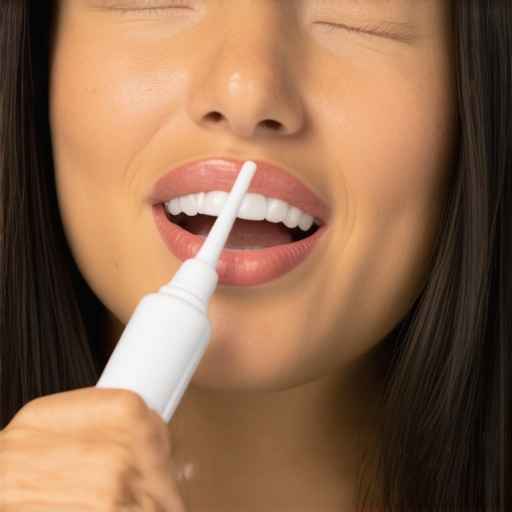
Picture a water flosser in action, demonstrating its ease and effectiveness — alt text: Water flosser removing plaque between teeth, title: Advanced Oral Hygiene Tool.
Sonically Enhanced Toothpaste: The Extra Step for Enamel Health
Choosing a toothpaste with nanohydroxyapatite particles adds an extra layer of protection for your enamel. I personally prefer brands that include this ingredient because it helps remineralize early decay spots and harden the enamel surface. Using this in tandem with a sonic toothbrush amplifies the benefits, helping to prevent cavities and sensitivity, which is especially beneficial after cosmetic procedures such as whitening or bonding.
UV-Lit Mouthwashes: A Modern Defense
Incorporating UV-light mouthwashes, like the UV Cleanser, can help disinfect the oral cavity. Though not a replacement for brushing, this device reduces bacterial load overnight, promoting fresher breath and healthier gums. Regular use can reduce the frequency of infections and supports the longevity of dental work.
Looking ahead, I see these tools evolving with smart technology, providing real-time feedback and personalized recommendations. For example, AI-integrated brushes could analyze your brushing patterns and suggest improvements, making at-home care even more effective.
How do I maintain my tools over time?
Proper maintenance of your oral health devices is just as vital as using them. Replace brush heads every three months, clean your water flosser reservoirs regularly with vinegar or mild soap, and store electronic devices in dry, cool places. Following manufacturer instructions ensures these tools stay effective and safe.
If you’re ready to upgrade your routine, I recommend trying the sonic toothbrush with a high-quality toothpaste and supplementing with a water flosser. Consistency with these tools significantly boosts your chances of long-lasting results, whether you’re focusing on cosmetic enhancements or general family health. Need personalized advice? Visit our contact page.
For more insights into cutting-edge cosmetic dentistry options that simplify long-term care, check out our latest innovations and discover how the right tools can keep your smile radiant for years to come. Don’t hesitate to invest in your oral health today—small upgrades can lead to big improvements!
Lessons the Experts Don’t Tell You About Oral Care
One of the biggest lightbulb moments I had was realizing that even small habits can have outsized impacts on my dental health. For instance, I used to think that brushing harder meant cleaner teeth, only to discover that gentle, proper brushing is far more effective and enamel-friendly. Over time, I learned that consistency and technique trump intensity every time. Another lesson was understanding that not all dental materials are created equal; zirconia, for example, proved to be a game-changer in durability and oral health safety, something I wish I had appreciated sooner. Lastly, I realized that early detection and maintenance are the best defenses against costly procedures – think of it as catching a small leak before it floods the house. These insights have transformed my approach to oral health from reactive to proactive, saving me time, money, and stress.
Tools That Truly Elevate Dental Wellness
Over the years, I’ve curated a collection of tools that have genuinely improved my and my patients’ experience. The Sonicare DiamondClean electric toothbrush stands out for its superior plaque removal and gentle action, making daily cleaning a pleasure rather than a chore. For water flossing, I trust the Waterpik Sidekick, especially for those with braces or sensitive gums, because it clears away debris where traditional floss can’t reach. A toothpaste enriched with nanohydroxyapatite has quickly become my go-to for enamel remineralization and sensitivity reduction—trust me, the benefits are noticeable. Lastly, UV-light mouthwashes like the UV Cleanser offer a modern twist on bacterial control, which I believe can support overall oral health without added discomfort. Investing in these tools isn’t just about aesthetics; it’s about creating a foundation for lifelong oral wellness that outperforms generic approaches.
Your Next Smile Upgrade Starts Today
The future of oral health and cosmetic dentistry is bright and full of potential. If you’re ready to take charge of your dental journey, remember that small, informed steps can lead to remarkable transformations. Whether it’s choosing zirconia for your crowns, adopting smarter tools, or embracing proactive habits, you have the power to shape a healthier, more confident smile. Every great accomplishment begins with a decision—so why not start today? Your journey toward maintaining a radiant, healthy smile is ongoing, and the rewards are truly worth it. Are you prepared to make that positive change and see the difference it makes? Let me know below and share your experiences or questions—your insights could inspire someone else to take the leap.