
It was just an ordinary Tuesday when I bit into my morning apple, only to be hit with a sharp jolt of pain that felt like a lightning bolt inside my mouth. I’d always thought tooth sensitivity was due to cold beverages or sugary treats, but suddenly, it seemed like stress was turning my smile into a battlefield. That lightbulb moment made me realize something: I wasn’t alone. Many people experience their teeth becoming painfully sensitive exactly when life abouts their necks—when the pressure spikes, so does the pain.
> **Have you ever noticed your teeth feeling worse when you’re overwhelmed or anxious?** If so, you’re not imagining things. This phenomenon is surprisingly common, yet many overlook the connection between stress and oral health.
In this post, I want to share what I’ve learned from personal experience and professional insights. We’ll explore why stress triggers your teeth to become sensitive and, more importantly, how you can break this cycle. The good news is, with some simple strategies, you can protect your smile even during life’s toughest moments.
How Stress Skews Your Sensitive Smile
To understand why stress makes your teeth more sensitive, we need to peek behind the scenes at your body’s response to pressure. When you’re stressed, your body releases hormones like cortisol, which can affect your oral tissues and saliva production. Altered saliva flow means less natural protection for your enamel, making your teeth more vulnerable to pain and sensitivity.
Additionally, stress often leads to habits like teeth grinding (bruxism) or jaw clenching, especially at night. Over time, this constant pressure wears down the protective layer of your teeth, exposing nerve endings that cause discomfort when eating or drinking. I learned this the hard way—early on, I tried to ignore my grinding, thinking it was just a minor annoyance. But ignoring it only made my sensitivity worse.
This is a common mistake, and it highlights the importance of early intervention. If you’re like me and have let these habits slide without addressing them, it might be time to visit your dental professional for personalized advice. Proper management of stress-related habits can dramatically reduce sensitivity and protect your smile long-term. For trustworthy tips on how to maintain your oral health despite stress, check out our comprehensive guide to [maintaining oral health with expert advice](https://gentlesmiledentist.com/maintaining-oral-health-expert-advice-for-a-lifetime-of-healthy-teeth).
But before jumping into solutions, let’s tackle some common doubts—like whether treating stress-related tooth sensitivity is really worth the effort or just another dental fad. That’s coming up next.
Be proactive with your daily habits
Start by integrating a simple routine of stretching and deep breathing exercises into your morning. For instance, I once committed to five minutes of diaphragmatic breathing each morning, which subtly lowered my overall stress levels. This reduces cortisol production, thereby minimizing the hormone’s impact on your saliva flow and enamel vulnerability.
Use physical barriers to prevent tooth grinding
If you suspect you’re grinding your teeth at night, invest in a custom-fitted night guard from your dentist. During my own experience, visiting the dental office for a professional assessment was key. The guard acts like a shield, much like a helmet protects a warrior; it absorbs the pressure and prevents enamel wear, reducing sensitivity over time.
Optimize your oral environment with saliva stimulation
Saliva acts as your mouth’s natural cleanser and protector of enamel. Chewing sugar-free gum after meals is a straightforward way to stimulate saliva production. Once, I started gum chewing after lunch at work, which noticeably lessened my sensitivity. Remember, increased saliva helps neutralize acids and wash away food particles, safeguarding your teeth.
Maintain consistent oral hygiene practices
Adopt daily routines that include gentle brushing and flossing. Using a soft-bristled toothbrush, like I switched to after realizing hard bristles caused gum recession, minimizes enamel abrasion. Regular, careful cleaning prevents plaque buildup that can exacerbate sensitivity triggered by stress-related habits.
Incorporate desensitizing agents into your toothpaste routine
Switch to desensitizing toothpaste containing potassium nitrate or stannous fluoride. I noticed immediate relief after using a brand recommended by my dentist, which coat nerve endings and block pain signals. Consistent use over a few weeks reinforces this protective layer, diminishing pain caused by acid exposure or enamel wear.
Manage your diet to protect sensitive teeth
Limit acidic foods and drinks that erode enamel further. For example, I replaced my citrus juice with herbal teas, reducing acidity while maintaining flavor. This practice not only preserves enamel but also reduces the nerve irritation that stress-related factors can amplify.
Seek professional guidance proactively
Schedule regular dental check-ups to catch early signs of enamel erosion or gum recession. During one visit, my dentist identified subtle wear patterns, allowing us to address erosion before sensitivity increased. Routine inspections serve as a safety net, ensuring that even under stress, your oral health remains protected.
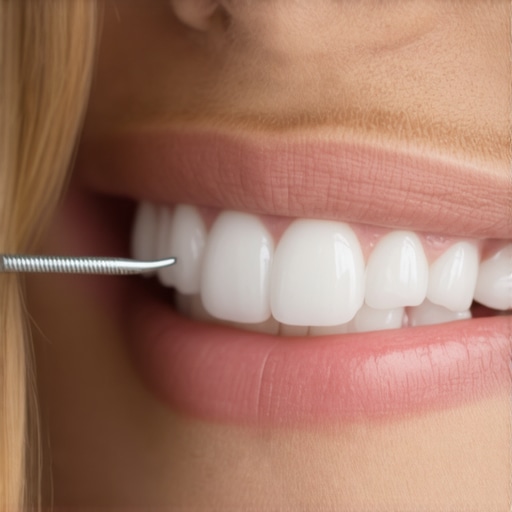 Many believe that brushing harder leads to cleaner teeth, but paradoxically, overenthusiastic scrubbing can actually do more harm than good. This common misconception can cause enamel erosion and receding gums, increasing sensitivity and decay risks. In reality, gentle, thorough brushing with a soft-bristled brush is more effective and protective. Another widespread myth is that family dentistry is only necessary when problems arise; however, regular check-ups prevent issues before they become painful or costly, emphasizing the importance of proactive care. Don’t fall into the trap of neglecting cosmetic dentistry as purely superficial; advances like enamel reconstruction and subtle bonding can significantly boost confidence and oral functionality without extensive procedures. Curious about the nuances? One often-overlooked aspect is the role of saliva in maintaining oral health. Saliva acts as a natural buffer, neutralizing acids and aiding remineralization, making its stimulation vital—something many overlook. For an in-depth understanding of these advanced nuances, explore our detailed guide on maintaining oral health for life. Remember, recognizing and correcting these myths can save you from costly mistakes and ensure your smile remains healthy and radiant. Have you ever fallen into this trap? Let me know in the comments.Maintaining healthy teeth and gums over the years requires more than just regular brushing and flossing; it demands the right tools and a strategic approach. One of my personal favorites is the Sonicare DiamondClean Smart electric toothbrush. I personally use it because its sonic technology provides superior plaque removal, while the app integration helps me track my brushing habits, ensuring I don’t miss any spots. Investing in a high-quality device like this can significantly improve your daily oral hygiene routine. Additionally, water flossers such as the Waterpik Aquarius have revolutionized interdental cleaning for me. They effortlessly remove food particles and plaque between teeth—areas that traditional floss sometimes misses. I recommend these because they are gentle yet effective, especially for those with sensitive gums or braces. Long-term results also depend on professional-grade tools like dental ultrasonic scalers, which my dentist uses during cleanings to remove tartar more efficiently than manual scraping. While these aren’t DIY tools, having your dentist include ultrasonic methods in regular visits is crucial to preventing periodontal issues. Looking ahead, technological advancement points toward AI-powered dental devices that can monitor your oral health continuously, alerting you to early signs of problems before they become noticeable. For instance, innovations like AI-enabled intraoral cameras can help identify early signs of decay or gum disease in real-time. How do I maintain these tools over time? I clean my electric toothbrush heads weekly with antibacterial mouthwash, replace them every three months, and make sure to sanitize my interdental brushes regularly to prevent bacteria build-up. It’s also important to follow your dentist’s advice on replacing tools—worn-out brushes won’t do their job effectively. For a comprehensive understanding of the most effective teeth cleaning methods and their benefits, check out [this resource](https://gentlesmiledentist.com/the-ultimate-guide-to-teeth-cleaning-techniques-and-benefits). To keep your oral health optimized, I encourage you to try integrating a high-quality sonic toothbrush or water flosser into your routine. Both tools can dramatically enhance your long-term dental outcomes and make everyday care more manageable.
Lessons No One Tells You About Dentistry and Stress
From my own journey, I realize that battling tooth sensitivity isn’t just about flossing; it’s about understanding how stress sneaks into our oral health routines. One revealing lesson was discovering how much jaw clenching amplifies sensitivity—something I never took seriously until my dentist showed me the wear patterns. Now, I know that addressing stress isn’t optional; it’s essential for a truly healthy smile. Also, I learned that proactive habits, like stimulating saliva with sugar-free gum, can make all the difference—something I wish I’d embraced sooner to prevent recurring issues. Lastly, I saw firsthand that regular professional check-ups catch early enamel erosion stories we often can’t see ourselves, saving pain and expense in the long run.