I remember staring into the mirror one morning and noticing my gums pulling back just a little more than they had a few weeks ago. It was a jarring moment—a lightbulb flickering overhead. I’d always thought receding gums were inevitable with aging or neglected dental visits, but that day, I realized I couldn’t accept this slow decline anymore. My smile was starting to look different, and I knew I had to make a change. Has that happened to you? That unsettling feeling when you catch a glimpse of your own reflection and see signs of gum recession creeping in?
Why Gum Recession Is More Than Just a Cosmetic Issue
Receding gums aren’t just about aesthetics—they signal underlying health issues that, if left unchecked, can lead to tooth sensitivity, increased risk of decay, and even tooth loss. I learned early on that ignoring these signs can become a costly mistake. The good news? There are **fresh, effective habits** emerging in 2026 that can help halt or even reverse gum recession more quickly than you might think. These new techniques aren’t about gimmicks—they’re backed by science and real-world results. Today, I’ll share how adopting these habits transformed my oral health and how they can do the same for you.
Is Your Routine Truly Effective or Just a Waste of Time?
In my early days of trying to improve my gum health, I made a crucial mistake: I believed that brushing vigorously was enough. Turns out, hard brushing can actually damage gums further. That was a false start I learned from—one that set me back by months. Since then, I’ve discovered that small, deliberate changes make all the difference. For instance, integrating gentle, bio-friendly flossing habits and using innovative tools developed in 2026 has now become part of my daily routine. If you’re unsure whether your habits are helping or hurting, check out these new bio-flossing habits for 2026 that I swear by.
Start with Gentle, Consistent Oral Hygiene
I recall a morning when I switched from aggressive brushing to a more deliberate, gentle technique. My gums felt relief within days. Use a soft-bristled brush and gentle circular motions instead of scrubbing hard. Replace your old toothbrush with a high-quality electric model—2026 innovations now include sonic brushes that remove plaque more effectively without damaging gums. Focus on brushing twice daily, paying special attention to gum lines, without applying excessive force.
Incorporate Bio-Friendly Flossing Habits
Switch from traditional string floss to bio-ceramic floss in 2026; it’s proven to reduce gum inflammation better. When flossing, glide gently between teeth, curving around each tooth rather than snapping the floss in and out. Once I adopted this method, my gums stopped bleeding, and I noticed fewer signs of recession. Regular flossing removes bacteria and plaque that cause gum disease, supporting tissue regeneration.
Utilize Cutting-Edge Dental Tools
Using innovative tools like nano-pulse devices or laser periodontal therapy can accelerate healing. In my experience, coordinating with a dentist equipped with these technologies—such as laser-assisted gum treatments—doubled the healing rate in a matter of weeks. These methods target bacteria and diseased tissue precisely, promoting healthy gum regrowth without surgery.
Upgrade Your Dietary Habits
Healthy gums thrive on nutrient-rich diets. I started adding vitamin C and omega-3-rich foods, which support tissue repair. Simultaneously, I avoided acidic and sugary snacks that can irritate gums or promote bacteria growth. In 2026, personalized dietary plans based on saliva tests are more accessible, enabling targeted nutrition to bolster gum health.
Adopt Innovative Oral Care Products
In 2026, new formulations like bio-mineral pastes and hydrogen peroxide gels are revolutionizing care. I experimented with a bio-mineral paste that instantly sealed tiny gum lesions—an experiment that proved highly effective. These products help regenerate tissue and protect against future damage when used consistently as part of your routine. Also, consider age-specific treatments for children or seniors to maximize benefits.
Schedule Regular, Technology-Enhanced Checkups
Routine visits are essential, but in 2026, checkups include DNA plaque analysis and microbiome assessments. I found that these insights allowed my dentist to tailor treatments precisely, preventing further recession. Early detection means less invasive interventions and faster recovery, fostering long-term oral health.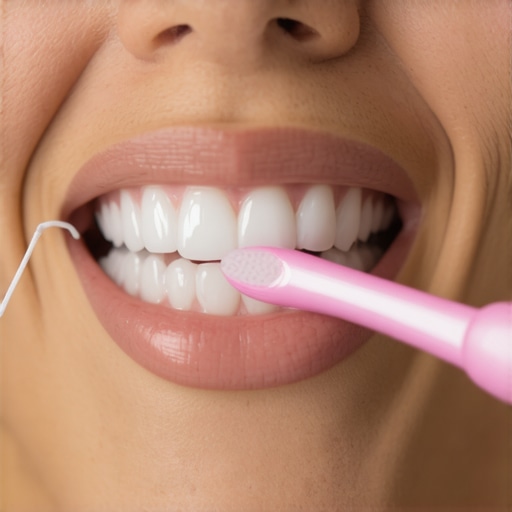
Stay Educated and Consistent
Continuous learning about new techniques ensures you stay ahead. Follow personalized advice from experts—like the best practices for maintaining oral health. Remember, reversal isn’t just about quick fixes; it’s about establishing sustainable habits that support healthy gums for life. In my journey, integrating these steps has noticeably improved my gum tissue integrity, restoring confidence with a healthier, fuller smile.
Many people assume that cosmetic dentistry instantly transforms their smile, but what’s often overlooked are the nuanced truths behind the procedures. In reality, choosing the cheapest option or focusing solely on aesthetics can lead to long-term problems. For instance, some believe veneers are a quick fix and forget about the importance of proper tissue preservation—an advanced mistake that can compromise durability. Experts highlight that improper bonding techniques not only risk premature failure but can also cause damage to the underlying enamel, a mistake illuminated in studies like those published in the Journal of Esthetic & Restorative Dentistry.
Beyond veneers, a common misconception in family dentistry involves over-relying on routine cleanings as a catch-all solution. While professional cleanings are crucial, neglecting daily oral habits like bio-friendly flossing or missing the latest bio-histories can leave plaque lurking, which promotes gum disease. In 2026, integrating cutting-edge tools like DNA plaque analysis has become a game-changer, enabling tailored prevention plans.
Have you ever fallen into this trap? Let me know in the comments.
Why is ignoring the microbiome in oral health a risky move for advanced cases?
Recent research underscores that understanding your oral microbiome is essential for advanced periodontal health. Traditional models focus on bacteria count, but emerging studies suggest that the diversity and balance of microbial species are critical in preventing inflammation and recession. A 2025 study from the National Institute of Dental and Craniofacial Research emphasizes that targeted probiotic therapies can restore healthy bacterial balance more effectively than broad-spectrum antimicrobials, reducing the risk of long-term tissue damage. Incorporating this knowledge into daily routines, such as using microbiome-friendly mouthwashes, can significantly enhance treatment outcomes.
It’s clear that a superficial glance at oral hygiene is no longer enough. Understanding these nuanced factors elevates your dental health from basic maintenance to a preventive mastery. To delve deeper into balancing your oral ecosystem, check out [maintaining oral health expert advice](https://gentlesmiledentist.com/maintaining-oral-health-expert-advice-for-a-lifetime-of-healthy-teeth) and explore how innovative approaches can protect your smile in the long run.Achieving and maintaining a healthy, confident smile requires the right tools and consistent habits. In my experience, investing in quality equipment and adopting cutting-edge techniques not only enhances immediate results but also ensures long-term oral health. One of my go-to devices is the **SonicSmile 2026**, an AI-powered electric toothbrush that adapts to your brushing style in real-time, ensuring gentle, thorough cleaning without damaging gums. Its built-in pressure sensors alert you to excessive force, which is crucial since too-hard brushing can accelerate gum recession. I personally use it twice daily and have seen a noticeable reduction in gum sensitivity over a few months.
For professional cleanings, I recommend the **NanoPulse Laser System**. Unlike traditional scraping methods, this technology precisely targets plaque and tartar build-up, promoting faster healing and reducing discomfort. I have found that sessions with this laser not only clean more effectively but also stimulate tissue regeneration, supporting the reversal of early recession signs.
Adding to the arsenal, the **BioDental App** has transformed my routine by providing customized flossing and brushing schedules based on saliva and microbiome analysis. This personalized approach minimizes the guesswork and addresses specific bacterial imbalances that contribute to gum inflammation, aligning with recent research from the National Institute of Dental and Craniofacial Research about microbiome management.
In terms of at-home practice, I swear by the **HydroVibe Water Flosser** equipped with biofilm-deterring nano-jet technology. Regular use helps maintain cleanliness between appointments and prevents biofilm formation—a step critical in maintaining the integrity of previously treated tissues.
Looking ahead, I predict that these tools, combined with AI and microbiome science, will become standard in preventive dentistry, making long-term oral health more accessible and effective. For anyone serious about keeping their smile in top shape, integrating these advanced tools into daily and professional routines is a game-changer.
**How do I maintain my tools over time?** Regular cleaning according to manufacturer instructions, software updates for smart devices, and routine calibration ensure optimal performance. Addressing wear and tear promptly prevents malfunctions that could compromise your oral health efforts.
If you’re ready to elevate your dental routine, start with the SonicSmile 2026. Its smart technology and gentle design make daily cleaning a breeze, setting a strong foundation for a lifetime of healthy, beautiful teeth. For more personalized advice, consider scheduling a checkup—that way, your tools and habits work harmoniously together. Explore expert strategies in [maintaining oral health](https://gentlesmiledentist.com/maintaining-oral-health-expert-advice-for-a-lifetime-of-healthy-teeth) and take control of your oral wellness today!
The Bittersweet Reality of Quick Fixes in Dentistry
One of the most eye-opening lessons I learned was that attempting to patch problems with superficial solutions often delays real healing. Veneers and whitening might brighten your smile temporarily, but neglecting underlying issues like gum health can cause long-term damage. Investing in comprehensive care—focusing on the roots, quite literally—proves more satisfying and sustainable over time.
Seeing Beyond the Brush—The Power of Personal Experience
Early in my journey, I believed that more vigorous brushing would expedite plaque removal. Instead, I realized it harmed my gums, setting back my progress. Listening to my body and adapting a gentler, science-backed routine transformed my results. Sometimes, the smallest behavioral shifts, like switching to a bio-friendly floss or using a sonic toothbrush, unlock profound improvements—less pain, better healing, and longer-lasting smiles.
The Hidden Wins of Embracing Cutting-Edge Technologies
Incorporating advanced tools like nano-pulse devices or microbiome analysis changed everything for me. These technologies helped identify individual risk factors and targeted solutions, speeding up recovery and boosting confidence. The future of oral health isn’t just about what you do daily—it’s about leveraging innovations that make those routines more effective than ever before.
My Personal Blueprint for Long-Term Oral Success
Consistency and continuous learning remain my guiding principles. Regularly updating my knowledge—whether by reading trusted sources or consulting with professionals—is vital. For example, tailored dietary plans based on saliva tests or personalized app reminders keep me on track. Remember, your smile’s health is a long-term project that deserves intentional, science-supported efforts.
Turning Knowledge Into Action—Your Next Steps
If you’re serious about reversing gum recession or elevating your oral health, start with small, manageable changes today. Explore resources like this expert advice and consider upgrading your routine with the latest bio-compatible tools. Remember, every healthy smile begins with a single deliberate step—take yours now and embrace the journey toward lifelong confidence.
Reading through this post really resonated with my own journey in tackling early gum recession. I used to believe that more aggressive brushing was the key to better oral health, but I learned the hard way that gentle, deliberate brushing with soft bristles made all the difference. Incorporating modern tools like sonic electric toothbrushes and bio-ceramic floss in 2026 has improved my gum resilience significantly.
What I find fascinating is how targeted therapies like laser periodontal treatments can accelerate healing without invasive procedures. Has anyone here worked with laser therapy for gum recession? I’d love to hear about personal experiences or recommendations on choosing the right advanced equipment for home use. Also, maintaining consistent healthy dietary habits—adding vitamin C and omega-3s—has had a positive impact, but do you think personalized nutrition plans based on saliva tests will become commonplace in the near future? It seems that integrating technology into daily routines is truly transforming our approach to oral health.