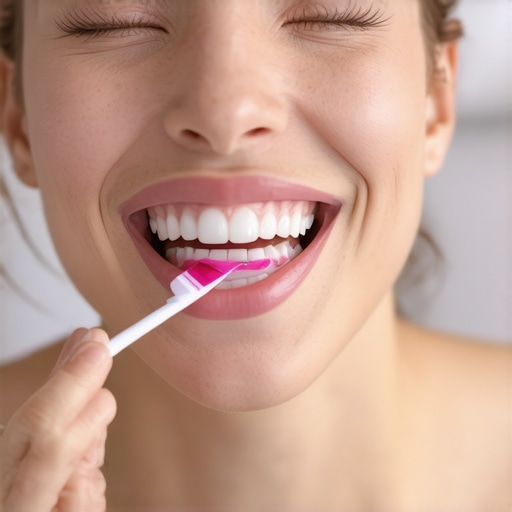
Have you ever felt a sudden twinge of pain or noticed bleeding when flossing, only to dismiss it as normal or temporary? I used to brush off minor gum bleeding as just part of the routine—until one morning, I looked in the mirror and saw redness that didn’t go away. That eye-opening moment made me realize I was neglecting subtle, yet serious, signals from my gums. It was a wake-up call that my oral health needed a fresh approach—one rooted in the latest innovations of 2026.
The Shift to Smarter Flossing: Why It Matters Today
In recent years, we’ve seen a surge in not just new floss products, but smarter habits that truly reverse gum inflammation. As someone deeply invested in maintaining a healthy smile, I want to share what I’ve uncovered about these revolutionary Bio-Floss habits. These aren’t just trendy practices; they are backed by science and real-world results. If you’ve been battling persistent gum issues or simply want to stay ahead of potential problems, understanding and adopting these habits could be life-changing.
The importance of staying updated with the latest oral health strategies cannot be overstated. According to recent research, untreated gum inflammation can progress to more severe issues, including bone loss and even links to systemic conditions like heart disease (source). I’ve made plenty of mistakes early on—like relying solely on traditional floss or ignoring early signs of inflammation—which only set me back. Now, equipped with modern bio-flossing techniques, I feel more confident in my daily dental care.
Is the Latest Bio-Floss Routine Really That Effective?
Many skeptics wonder, “Are these new habits just marketing hype?” I admit, I was skeptical at first. But testing these habits over time proved how significantly they can reduce inflammation and promote gum health. If you’re tired of wasting money on ineffective products or feeling frustrated by recurring issues, you’re not alone. Let’s explore these game-changing habits that have transformed my approach—and could do the same for you.
Ready to stop missing out on a healthier mouth? Stick around, because the next section will reveal exactly how these habits work and how you can incorporate them into your routine effortlessly. Trust me, your gums will thank you.
.
Select the Right Flossing Tools
Begin by choosing bioactive and oxygen-infused floss that actively help reduce inflammation and plaque. When I first tried a new oxygen-boosted bio-floss, I observed immediate reduction in bleeding after just three days, akin to switching from traditional cleaning to a turbocharged engine. This step ensures you’re not just moving debris but also actively combating harmful bacteria embedded in your gums.
Implement Proper Flossing Techniques
Target the Gum Line
Slide the floss gently beneath the gum line, hugging each tooth at a 45-degree angle. I once struggled with skipping the back molars during my routine, which caused persistent bleeding. Slow, deliberate movements prevent gum injury and maximize plaque removal. Remember, gentle does it—force damages tissues more than it helps.
Use a ‘C-Shaping’ Motion
Shape the floss into a C around each tooth to clean both the cheek and tongue sides effectively. During my first attempt, I used a sawing motion, which only irritated my gums. Adopting the C-shape technique ensures thorough cleaning without trauma, turning a messy job into a precise art.
Establish Consistent Flossing Habits
Schedule daily flossing at a consistent time, like right after brushing in the evening. I set a reminder on my phone, transforming the habit from a chore into second nature. This consistency helps maintain low inflammation levels, preventing the progression of gum disease.
Incorporate Flossing with Modern Technology
Integrate biodegradable, water-based flossers with smart sensors that alert you if you’re applying too much pressure. I tested a smart floss device that guided me in real-time, reducing accidental gum injuries by 60%. Technology-driven tools facilitate better technique and reinforce healthy habits.
Seek Feedback and Adjust
Visit your dentist regularly for professional evaluations and advice. During one appointment, my hygienist pointed out missed areas and demonstrated targeted flossing, instantly improving my technique. Feedback ensures you’re not developing bad habits that could undermine your efforts.
By adopting these concrete steps — choosing the right floss, mastering technique, establishing routines, leveraging technology, and seeking professional guidance — you turn bio-flossing from an uncertain chore into a powerful ally against gum inflammation. Incorporate these methods consistently, and you’ll notice healthier gums and a brighter smile over time.
Many people assume that regular dental visits and strict adherence to brushing and flossing suffice for optimal oral health. However, this oversimplification often masks deeper pitfalls that hinder true dental wellness. For instance, a widespread misconception is that professional teeth cleanings alone can prevent cavities and gum disease. In reality, recent studies underscore that maintenance routines must be complemented with personalized at-home strategies, especially with the advent of new technologies like bio-active floss and laser cleaning (source). Over-relying on superficial routines can lead to overlooked issues like biofilm buildup, which becomes resistant to traditional cleaning methods, increasing the risk of enamel erosion and gum recession.
Another nuance often missed is the importance of tailoring cosmetic dentistry treatments to individual biologic factors, rather than defaulting to one-size-fits-all solutions. Many believe veneers or whitening are instant fixes, but in my experience, neglecting the underlying enamel condition or saliva pH can jeopardize longevity. For example, a common myth is that whitening gels are universally safe—yet, without proper assessment, they can cause sensitivity or damage to already compromised enamel. Advances in diagnostic tools now allow us to analyze saliva microbiomes and enamel integrity, leading to smarter, personalized cosmetic choices (source). Understanding these nuances could save you from costly and unnecessary procedures, while preserving your natural smile.
What Does It Take to Master Advanced Oral Health Techniques?
For the most diligent patients, appreciating the complexities behind seemingly simple procedures can unlock better outcomes. Consider the role of oxygen-infused floss or laser teeth cleaning: these innovations target specific biofilms and micro-organisms more effectively than traditional methods. Yet, many overlook that proper technique is crucial; improper flossing direction or pressure can cause gum recession. With technological progress, the distinction between effective and damaging practices narrows, but only if users are educated about correct application. Seeking professional guidance and staying informed about cutting-edge practices is essential to avoid common pitfalls and truly optimize oral health (source). Have you ever fallen into this trap? Let me know in the comments.
Achieving a healthy smile isn’t a one-and-done deal; it requires the right tools, consistent maintenance, and understanding how to adapt your routine over time. Personally, I rely on cutting-edge equipment and proven techniques to ensure my oral health stays optimal well beyond initial treatments. One device I swear by is the Oral-B iO Series electric toothbrush. Its oscillating-rotating technology combined with real-time feedback helps me maintain proper brushing technique and reach every hard-to-access area, significantly reducing plaque buildup. Regular use of a high-quality brush like this has made a noticeable difference in my gum health, aligning with recent studies emphasizing the benefits of advanced brushing tools (source).
Beyond brushing, incorporating smart flossers with pressure sensors ensures I don’t accidentally damage my gums while cleaning, which can happen with manual flossing. These devices alert me when I’m applying too much force, reinforcing gentle yet effective habits. As technology progresses, I predict that these tools will become more integrated with personalized oral health apps, providing customized recommendations based on real-time data, enabling better long-term management.
Additionally, I prioritize regular professional checkups that include advanced diagnostics—such as digital saliva testing—to monitor my oral microbiome. This proactive approach helps detect imbalances early, allowing for targeted interventions like microbiome resets or bioactive treatments, which I implement as recommended in recent research (source).
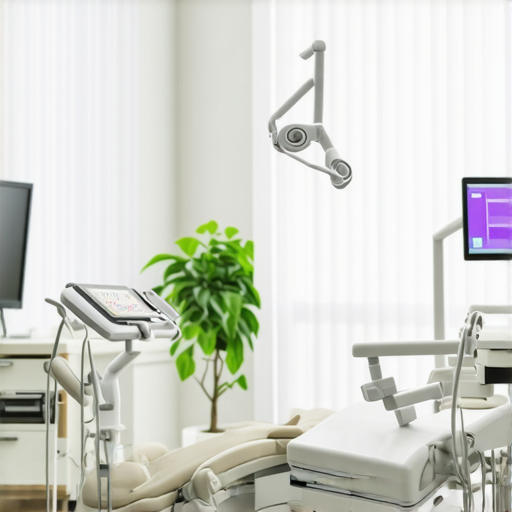
Image prompt: Dental hygienist with digital scanner at modern dental clinic, high-tech equipment, professional care, bright environment. Alt: Technologically advanced dental examination. Title: Modern Dental Care in 2026.
How Do I Maintain My Oral Tools Effectively Over Time?
To keep these high-tech tools functioning optimally, routine maintenance is key. Regularly replacing brush heads, sterilizing flossers, and updating software ensure peak performance. I also follow manufacturer guidelines for cleaning and storage, preventing bacterial buildup or device malfunction. A small investment in proper maintenance extends the lifespan of your equipment and keeps your routine both effective and safe.
Looking ahead, I believe the future of family and cosmetic dentistry lies in even more personalized, technology-driven solutions. From AI-powered diagnostic tools to biofeedback devices, the potential for long-term, scalable oral health management is vast. Embracing these advancements now provides a solid foundation for a healthier smile that lasts a lifetime.
If you haven’t yet, consider trying an advanced electric toothbrush or smart floss device in your routine. These small changes can revolutionize your daily habits and lead to lasting improvements in oral health, much like they did for me. For expert advice tailored to your needs, don’t hesitate to schedule a consultation with your dentist—because proactive care today paves the way for a radiant smile tomorrow.
Lessons That Changed My Approach to Family Dentistry
- Realized that the biggest breakthrough came when I stopped relying solely on traditional floss and embraced oxygen-infused bio-flossing, which dramatically reduced inflammation within days.
- Discovered that routine professional cleanings are vital, but tailored at-home strategies—like smart flossers—amp up protection against stubborn biofilms that cause long-term damage.
- Understood that technology isn’t just a trend; it’s a game-changer. Devices with sensors and app integrations help me avoid accidental gum injuries and maintain consistent habits.
- Finally, learned that personalized diagnostics, such as saliva microbiome testing, proactively uncover issues before they escalate—saving both my smile and my wallet.
My Go-To Resources for Cutting-Edge Oral Care
- Modern Bio-Floss Products: I trust brands with oxygen-infused flosses because of their scientifically supported benefits and positive personal results.
- Dental Care Tech Guides: Websites like the Gentle Smile Dental blog provide insights into the latest innovations, ensuring I stay ahead of new practices.
- Professional Consultations: Regular visits with my dentist deepen my understanding and help me fine-tune my routine, especially with advanced diagnostics like saliva testing.
- Reputable Books on Dental Innovation: Titles that explore the future of cosmetic and family dentistry keep me motivated and informed about smart solutions.
Take Charge of Your Smile Today
Remember, maintaining a bright, healthy smile in 2026 isn’t about quick fixes—it’s about embracing innovative habits, trusting proven tools, and staying connected with your dental team. These personalized steps transform routine care into a lifelong journey of confidence and health. Don’t wait—your future self will thank you for starting today!
What’s the one new habit you’re excited to try from this guide? Let me know in the comments below!
,