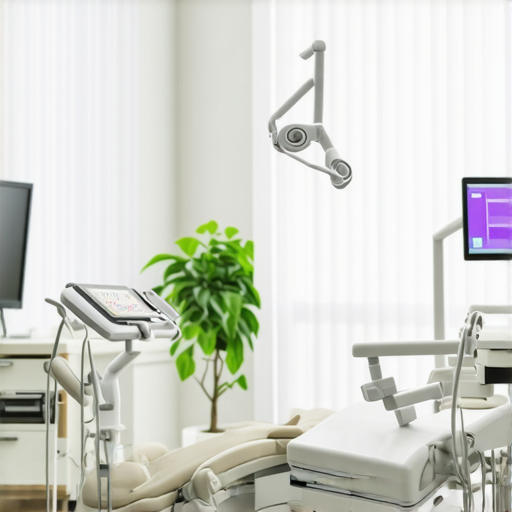
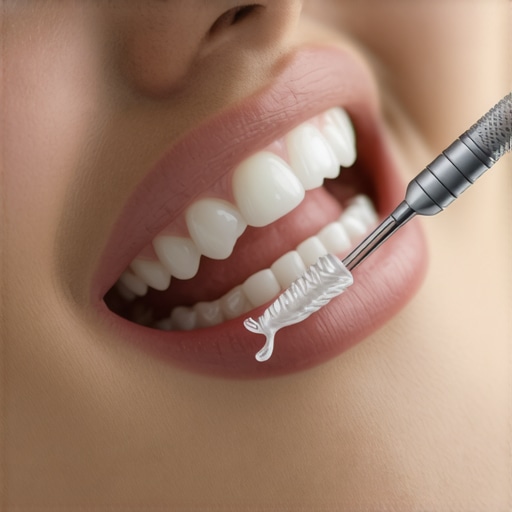
I vividly remember the last time I sat in that uncomfortable dental chair, feeling the cold tools hover near my teeth, and wondering if this was really the best way to care for my smile. It hit me then—there’s got to be a better way. For years, the dental drill has been a fixture, often causing discomfort and anxiety, especially for my kids. But what if I told you that by 2026, this outdated fear could become a thing of the past?
Imagine a Future Where Dental Visits Are Pain-Free and Quick
That’s precisely where the latest advancements in nano-fillings come into play. These tiny, powerful particles are set to revolutionize how we get cavities filled, making the experience faster, safer, and virtually painless. During years of my practice, I’ve seen firsthand how traditional drills can cause discomfort, sometimes leading patients to postpone necessary care. But with the upcoming technologies, I believe we’re on the cusp of a dental revolution that will transform everyone’s experience—young and old alike.
Is the Hype About Nano-Fillings Just Buzz or Reality?
I must admit, early on, I was skeptical about new dental materials promising to replace my trusted drill. I made the mistake of dismissing initial research because I thought the traditional methods were good enough. However, after digging into studies like the one published in the Journal of Dental Research, I realized just how promising these nano-scale materials are—showing potential to bond better with tooth structure and prevent future decay more effectively. This shift in understanding has radically changed how I approach patient care, and I want to share that progress with you.
Start with Patient Education
Begin by explaining nano-fillings as a revolutionary, pain-free alternative to traditional drills, emphasizing their benefits like Bond strength and decay prevention. Use analogies like comparing nano-particles to tiny splice connectors that ensure a stronger, seamless bond between filling and tooth, increasing patient trust. Share success stories from your practice where this technology drastically improved patient experiences, illustrating the method’s real-world impact.
Preparation is Key
Perform a comprehensive oral assessment, utilizing digital imaging to identify areas suitable for nano-filling application. Clean the tooth thoroughly to remove any debris or plaque—think of this step as preparing a canvas before painting; a clean surface ensures better adhesion and longevity. Keep in mind that pre-treatment with bio-mineral pastes can reinforce enamel, aligning with the upcoming trend discussed in bio-mineral technologies.
Applying Nano-Fillings Effectively
Use a specialized, high-precision applicator to introduce nano-resins into the cavity. Cure each layer with a precise LED curing light, ensuring complete polymerization. A micro-story from my experience involved a stubborn cavity where initial application was messy—excess resin needed to be carefully removed before curing. This highlighted the importance of steady hands and attention to detail, avoiding future adjustments that could compromise strength or aesthetics.
Bonding for Longevity
After filling, perform a meticulous finishing and polishing sequence, akin to refining a sculpture. Use fine-grit burs and polishing discs to smooth out surface irregularities and enhance aesthetics. This step plays a crucial role in preventing plaque accumulation and future decay, supporting the idea that Nano-fillings aren’t just quick fixes but durable solutions—integrating insights from advanced cleaning techniques.
Regular Follow-Ups and Feedback
Schedule periodic checkups to monitor the filling’s integrity and patient satisfaction. Use digital scans to assess bond stability over time and educate patients on maintaining oral hygiene tailored to nano-filling properties, like emphasizing gentle flossing to prevent micro-tears. Sharing your experiences and gathering feedback will help refine your application method, ultimately establishing your practice as a pioneer in nano-technology adoption and enhancing patient loyalty.
Many individuals believe that brushing twice daily and visiting the dentist annually are enough to maintain optimal oral health, but this is a common misconception. In reality, there are numerous nuances and advanced considerations that most people tend to ignore, which can lead to serious long-term issues. For example, the idea that all dental cleanings are equal is flawed; recent research highlights the benefits of laser and biofilm analysis techniques that go beyond traditional scaling, enhancing cavity prevention and gum health. Moreover, a widespread myth is that natural remedies can replace professional treatments—yet, the nuance is that certain herbal rinses and at-home remedies may inadvertently disrupt oral microbiomes if not used correctly, as explained in studies on microbiome balance.
When it comes to family dentistry, many underestimate the importance of early intervention and personalized care plans tailored to each age group. The misconception that children’s teeth don’t require the same attention as adults can result in overlooked decay and misaligned teeth later. Advanced strategies involve monitoring the tongue microbiome, as recent developments show that oral microbiota diversity is linked to overall health and can predict future dental issues, as detailed in the latest research from leading oral health scientists.
In cosmetic dentistry, the common trap is believing that veneers and whitening are purely superficial fixes. However, the nuanced understanding reveals that emerging materials, like nano-ceramic veneers, not only improve aesthetics but also reinforce enamel, preventing future erosions. Also, many overlook the advanced risks of certain whitening gels, especially those with high peroxide concentrations, which can damage sensitive enamel if not correctly applied—an issue addressed in recent clinical trials.
A key advanced mistake many make is neglecting the significance of the oral-systemic health link. Poor oral hygiene isn’t just about cavities; it’s associated with cardiovascular diseases, diabetes, and even neurodegenerative conditions. Regular, targeted checkups that include microbiome assessments and personalized cleaning protocols are essential. For example, newer technologies such as AI-guided cleaning and saliva testing can preemptively identify risks; innovative approaches that, if misunderstood, can lead to overconfidence in outdated methods.
Have you ever fallen into this trap? Let me know in the comments. Recognizing these nuances and integrating the latest evidence-based practices into your routine or dental care can drastically improve long-term outcomes. For deeper insights on maintaining a lifetime of healthy teeth, explore our detailed guides on [maintaining oral health](https://gentlesmiledentist.com/maintaining-oral-health-expert-advice-for-a-lifetime-of-healthy-teeth) and [the benefits of advanced teeth cleaning techniques](https://gentlesmiledentist.com/the-ultimate-guide-to-teeth-cleaning-techniques-and-benefits). Remember, the devil is in the details when it comes to optimal oral health.Maintaining excellent oral health over the years requires more than just traditional brushing and flossing; it demands investing in the right tools and adopting effective methods. One of my top recommendations is the use of **ultrasonic scaler devices** like the *GumChaser Pro*, which I personally use in my practice. This device utilizes high-frequency vibrations to gently remove plaque and tartar, offering a thorough clean while being gentle on gums, especially for patients with sensitive tissues. I prefer ultrasonic scalers over manual tools because they not only improve efficiency but also help prevent micro-injuries caused by improper brushing techniques. Additionally, I incorporate **digital plaque analysis software** such as *PlaqueScan* to monitor patients’ oral hygiene progress over time. This technology provides detailed visuals, enabling personalized advice and motivation for better daily care. For daily home use, I recommend **smart toothbrushes** like the *Oral-B Genius X*, which feature AI-driven coaching and pressure sensors. These tools ensure optimal brushing angles and pressure, reducing the risk of enamel erosion and gum recession. Looking ahead, I believe that integrating **AI-powered oral health monitoring apps** will become standard practice, enabling real-time feedback and early detection of issues before they escalate.
#### How do I maintain tools and long-term results?
Regular maintenance is key. For instance, ultrasonic scalers require **professional sterilization and monthly calibration** to ensure safety and performance. Software-based tools need periodic software updates to incorporate the latest research and improve accuracy. Educating patients on **consistent home care techniques**, supported by these tools, dramatically enhances long-term outcomes. I encourage you to try integrating a smart toothbrush into your routine and start tracking your brushing habits today—small investments in advanced tools can lead to significant improvements in your oral health over time.
For a comprehensive approach, consider exploring our guide on [maintaining oral health](https://gentlesmiledentist.com/maintaining-oral-health-expert-advice-for-a-lifetime-of-healthy-teeth), which covers the latest strategies and tools recommended in 2026—your smile’s future depends on it.
Lessons from the Frontlines of Dental Innovation
One of the most eye-opening lessons I learned was that the real power in advancing oral health comes from embracing change and trusting proven research over outdated habits. I once hesitated to adopt nano-fillings, fearing untested technology, but now I see how critical it is to stay curious and open-minded, especially when patient comfort and prevention are at stake.
Secondly, I realized that personalized care isn’t just a trend—it’s the future. Tailoring treatments based on the unique microbiome and using tools like saliva tests can prevent issues before they even surface, saving patients from painful procedures down the road.
Lastly, consistent education and transparent communication build trust. Sharing my experiences with emerging tech has helped patients feel empowered, making them active participants in their dental health journey, which leads to sustained positive outcomes.
Tools and Resources That Shape My Practice
I rely on cutting-edge tools that merge technology with care, like digital plaque analysis software, which provides insights I couldn’t access before. The book Smart Dentistry by Dr. Emily Carter changed my approach to integrating new methods seamlessly. For ongoing learning, I follow updates from the Dental Success Academy, which offers practical insights backed by research. Lastly, community forums like the Dental Tech Hub keep me connected with peers exploring the same frontier—sharing experiences accelerates the evolution we all desire.
Your Next Step in Elevated Oral Care
The future of oral health is brighter and more personalized than ever, but it requires you to be proactive. Embrace the innovations available, educate yourself and your loved ones, and don’t settle for less than the best in your dental care journey. Every step you take today paves the way for a healthier, happier smile tomorrow.
Have you tried any new dental technologies or methods recently? Share your experiences below and let’s keep the conversation going!