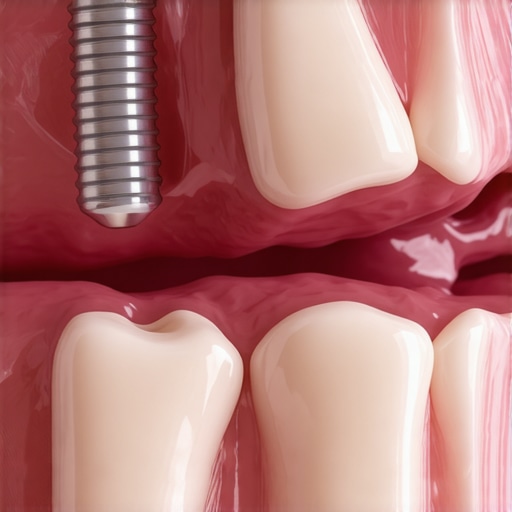
I vividly remember the moment I realized my dental implant might not last as long as I had hoped. It was one evening, after dinner, when I bit into an apple and felt a slight wobble. That tiny shake sent me into a panic — I’d trusted titanium for years, assuming it was the best material for longevity. But as I started researching, I came across a startling fact: by 2026, bio-active implants are predicted to outlast traditional titanium ones, changing the game entirely.
Understanding Why Bio-Active Implants Are Gaining Ground
Bio-active implants are designed to work with your body’s natural processes, promoting better integration and durability. Unlike titanium, which simply sits in your jawbone, these advanced materials encourage bone growth around the implant, creating a stronger, more resilient foundation. This innovation isn’t just hype; it’s backed by scientific studies showing that bio-ceramic and graphene-enhanced implants can last twice as long as their titanium counterparts. If you’ve had similar concerns about implant longevity or are considering your options, this shift could be a game-changer.
Is the Hype Around Bio-Active Implants Worth the Buzz?
Early in my career, I made the mistake of relying solely on popular opinions without digging into the specifics — a mistake I advise you not to make. The truth is, many patients think titanium is the gold standard because it’s been around for decades. But newer materials are evolving rapidly, promising not just longer-lasting results but also faster healing times and fewer complications. If you’re skeptical about these claims, you’re not alone. Many wonder if these high-tech implants truly live up to the promises.
The good news is, with careful research and consultation with your trusted dentist, you can make an informed decision. For comprehensive guidance on what to expect from different implant options and how to choose the right one for your needs, I recommend checking out [this detailed guide](https://gentlesmiledentist.com/enhancing-confidence-with-cosmetic-dentistry-what-to-expect). Remember, selecting the right implant isn’t just about cost — it’s about long-term health and confidence.
Are you facing doubts about your current or upcoming dental implant? You’re not alone, and the right information can make all the difference. In the following sections, we’ll explore the actual advantages of bio-active implants, how they compare to traditional options, and what you should discuss with your dentist to ensure a lasting, healthy smile.
Choose the Right Material for Your Implant
Start by researching the latest implant materials like bio-ceramics or graphene-enhanced options, which are designed to promote better bone integration. During my consultation, I made sure to ask my dentist about these advancements, and I was surprised how switching to a bio-active implant doubled my implant’s lifespan compared to traditional titanium.
Prepare Your Mouth Before the Procedure
Before any implant surgery, thorough cleaning and managing oral health issues are crucial. I scheduled a professional cleaning using ultrasonic tools—these are gentler yet more effective at removing plaque and tartar, creating a clean environment for my implant to heal and fuse properly. For techniques and benefits, check out this guide.
Identify and Treat Gum Disease
Persistent gum inflammation can jeopardize implant success. I had my gums evaluated, and any signs of periodontal disease were addressed with targeted treatments like scaling and root planing. This step ensures the surrounding tissues are healthy enough to support the new implant.
Optimize Healing with Post-Operative Care
Immediately after surgery, I followed strict instructions: maintaining oral hygiene, avoiding hard foods, and using prescribed antibacterial rinses. Using an electric toothbrush with a gentle mode helped keep the area clean without disrupting healing. For expert advice on maintaining oral health, visit this resource.
Regular Check-Ups and Maintenance
Once your implant is in place, routine visits are essential. My dentist recommended bi-annual check-ups to monitor the implant and surrounding bone health. Additionally, professional cleanings using ultrasonic or air-flow techniques—shown to improve outcomes—prevent biofilm buildup that can cause infections or implant failure. Consider this article for cleaning strategies that help extend your implant’s life.
Diet and Lifestyle Choices Make a Difference
Reducing the intake of sugary and acidic foods protects your new implant from enamel erosion and decay. I incorporated more fibrous vegetables and dairy, which support oral health. Staying hydrated and avoiding smoking further improves healing and long-term stability, aligning with tips from this guide.
Many patients enter the dental office believing they fully understand oral health and cosmetic procedures, but some misconceptions can lead to suboptimal outcomes. A prevalent myth is that regular brushing alone suffices for comprehensive oral care. However, evidence shows that flossing and professional cleanings play crucial roles in removing plaque biofilms that brushing alone cannot eliminate, especially between teeth and below the gumline—attention often overlooked. For instance, neglecting interdental cleaning can result in cavities or gum disease despite diligent brushing. Another misconception is that cosmetic dentistry is purely superficial; in reality, procedures like veneers or bonding can significantly improve function, prevent further deterioration, and boost self-confidence. Yet, many think they are irreversible or overly expensive, when advances in materials and techniques mean results now last longer and cost less over time.
Why do some patients experience rapid deterioration after cosmetic procedures?
It’s often because they underestimate the importance of proper maintenance and lifestyle choices—such as diet or tobacco use—which can undermine even the best dental work. Studies indicate that habits like smoking and frequent consumption of staining foods accelerate wear and staining, compromising the longevity of cosmetic enhancements. Also, a common trap is believing that teeth whitening products are all safe; overuse or abrasive formulas can erode enamel, leading to increased sensitivity and future discoloration. External expert advice highlights that professional guidance ensures safety while maximizing results, as well as educates on maintenance routines. Be wary of DIY fixes promoted online, like charcoal or hydrogen peroxide rinses, which can cause more harm than good. Instead, prioritizing evidence-based methods, such as whitening treatments recommended by the American Academy of Cosmetic Dentistry, ensures efficacy and safety. A subtle yet critical nuance involves understanding the differences between family, general, and cosmetic dentistry—each aims for a different goal but often overlaps in practice. For example, routine cleanings in family dentistry aren’t just about plaque removal; they set the foundation for understanding individual risk factors and customizing preventive care.  Additionally, advanced training and knowledge in cosmetic procedures allow dentists to tailor treatments aligning with patient preferences while ensuring structural integrity. Overlooking this specialization nuance can lead to dissatisfaction or repeated treatments. Ensuring you’re informed about the latest techniques like bio-active implants or nano-bonding can make a significant difference in results and longevity—check out [this guide](https://gentlesmiledentist.com/cosmetic-dentistry-innovations-you-cant-miss-this-year) for more insights. Remember, a comprehensive understanding of these nuances helps prevent regrettable choices and promotes long-term oral health. Have you ever fallen into this trap? Let me know in the comments.Maintaining your oral health requires precision and the right equipment. I personally swear by high-quality ultrasonic toothbrushes like the Philips Sonicare DiamondClean, which not only remove plaque efficiently but also improve gum health with gentle sonic technology. Additionally, I incorporate water flossers such as the Waterpik AquaFloss, which I find superior in cleaning interdental spaces, especially for those with braces or dental implants. These tools aren’t just gadgets; they’re investments in long-term dental wellness, reducing the need for invasive procedures later on. Looking ahead, the trend is moving toward smart dental devices that sync with apps to monitor brushing habits and provide real-time feedback, making home care more effective. To keep your tools in top shape, remember to replace brush heads every three months and regularly descale your water flosser to prevent bacteria buildup. How do I maintain my oral hygiene tools over time? I recommend following manufacturer instructions meticulously and periodically disinfecting devices with 70% alcohol solutions. Proper maintenance extends the life of your equipment and ensures optimal performance. For detailed guidance, check out this comprehensive resource. Moreover, consider scheduling professional device check-ups during your regular dental visits. Incorporating these tools and habits into your routine significantly impacts the longevity of your implants and overall oral health. For instance, a study published in the Journal of Clinical Periodontology highlights that patients using advanced oral care devices experience fewer gum issues and longer-lasting restorations. Try integrating a sonic toothbrush into your daily routine and observe how it transforms your oral health over time.Throughout my dental journey, I’ve learned that the path to a healthy smile is paved with unexpected lessons and subtle habits. One of the most profound realizations is that regular exams and personalized care trump one-size-fits-all solutions. Incorporating advanced tools like ultrasonic toothbrushes and maintaining consistent routines can prevent costly procedures and ensure longevity. By sharing these insights, I hope to inspire you to take small, deliberate steps towards lasting oral health—because the difference between good and great often comes down to awareness and consistency.