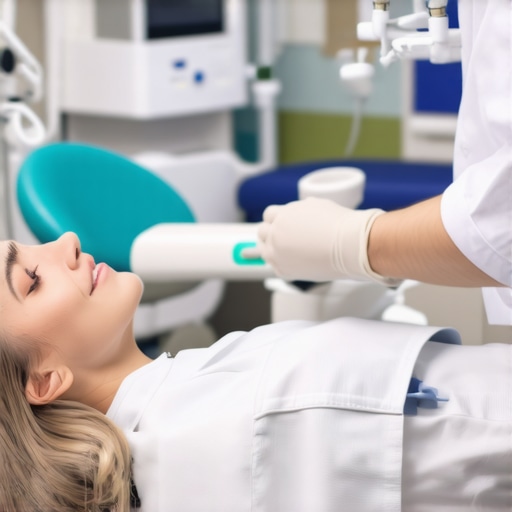
I remember sitting in that sterile dental chair, my hands gripping the armrests so tightly I thought they might cramp up, heart pounding like I just ran a marathon. It wasn’t just about the fear of the drill—it was a visceral, almost primal dread that kept me from getting any dental work done for years. That lightbulb moment hit me hard: I needed a solution that would finally quiet my anxious mind and let me take care of my teeth.
Breaking Free From Dental Fear
Many people procrastinate or outright avoid dental visits because of severe anxiety. Facing tedious cleanings, cavity fillings, or even routine exams can feel overwhelming or terrifying. But here’s the thing—your dental health can’t be ignored forever. Untreated issues only worsen, and that can lead to major health problems.
Fortunately, advancements in dental technology have introduced safer, more effective ways to help patients overcome fear. One shining example is the rise of 2026 sedation dentistry methods. These techniques aren’t just about making the experience more comfortable—they profoundly change the way we approach dental care for anxious patients.
Imagine being able to sit through a cleaning or a filling without that overwhelming wave of panic. That’s exactly what sedation dentistry promises, and by 2026, it’s becoming the standard for those battling severe dental anxiety. I’ll be honest—initially, I was skeptical. I made the mistake of thinking that sedation might be risky or unnecessary. But I learned early on the importance of trusting qualified professionals who use advanced, safe sedation techniques. If you’ve ever wondered if sedation dentistry is worth trying, keep reading—I’ll walk you through what it really involves and how it could change your life.
Is Sedation Dentistry Actually Worth the Hype?
When I first heard about the possibilities, I worried about side effects and whether it would be invasive. Turns out, I was making a common mistake—assuming that newer methods aren’t safe. In fact, modern sedation techniques are rigorously tested, regulated, and tailored to individual needs. They can range from mild sedation, like nitrous oxide, to deeper sedatives that keep you comfortably relaxed throughout more invasive procedures.
Already, I experienced firsthand how sedation can diminish anxiety, allowing me to focus on my dental health without sweating every step. It’s just one of the reasons why I believe 2026 will be a turning point in how dental care is delivered to those who need it most.
In the next sections, I’ll share practical insights and tips I wish I’d known earlier—so you can decide if sedation dentistry could finally end your fear, too. But first, have you ever faced this problem? If yes, then you’re not alone, and I promise—help is closer than you think.
Start with a Clear Oral Health Assessment
Schedule a comprehensive dental checkup to identify existing issues and establish a baseline. During the visit, discuss your fears openly with your dentist, who can tailor a plan that includes sedation options if necessary. This initial step is crucial to understand what treatments are needed and how to approach them calmly.
Implement Consistent Daily Dental Care Routines
Make brushing and flossing a non-negotiable part of your day. Use an electric toothbrush with a timer to ensure proper cleaning. Incorporate recommendations from teeth cleaning secrets that boost your efficiency and reduce plaque buildup, which can exacerbate anxiety about dental visits.
Use Visual Aids to Demystify Procedures
Before any procedure, ask your dentist to show you images or models of what’s involved. Visualizing the process can reduce fear and build trust. For example, if you’re getting a filling, understanding that modern materials like nano-bonding outlast traditional fixes can reassure you about the durability and safety of the treatment.
Utilize Sedation Techniques When Appropriate
Discuss sedation options such as nitrous oxide or oral sedatives with your dentist. When I first tried nitrous oxide for a routine cleaning, I found it transformed my experience—less tension, more calm. This step can make appointments less daunting and enable you to complete treatments that have been postponed for years.
Practice Relaxation and Breathing Strategies
Learn deep breathing exercises or progressive muscle relaxation to manage anxiety before and during dental visits. During one stressful appointment, I employed these techniques, which helped me stay centered and avoid panic attacks, making the entire process smoother.
Create Positive Associations with Dental Care
Reward yourself after each appointment—perhaps with your favorite snack or activity. Over time, this builds a positive feedback loop. Remember, regular visits prevent small issues from becoming major problems, aligning with experts’ advice on maintaining long-term oral health.
Education and Consistency Are Your Best Allies
Stay informed about dental innovations, such as the latest cosmetic dentistry and family-oriented practices that prioritize comfort. Consistent routines and ongoing communication with your dental team empower you to face appointments with confidence, gradually diminishing your fears and ensuring your smile stays bright and healthy.
Many people believe that brushing twice daily and avoiding sweets are enough for healthy teeth, but in reality, this oversimplification masks complex nuances. One common myth is that only whitening treatments or veneers can improve a smile; however, understanding the underlying health factors, such as gum health and enamel integrity, is essential for long-term success. Overlooking these aspects can lead to advanced decay or periodontal disease, which are often mistaken for insignificant issues. A critical trap to avoid is relying solely on DIY remedies or over-the-counter products without professional guidance, as some remedies can erode enamel or cause sensitivity if misused. For instance, frequent use of abrasive whitening strips may damage enamel over time, counteracting their cosmetic benefits and compromising oral health.
What advanced strategies can better protect and restore your teeth beyond surface-level treatments?
Experts suggest that tailored, minimally invasive procedures like nano-bonding or laser-based therapies can provide durable results while preserving natural tissue. According to a study published in the Journal of Dental Research, combining preventive care with contemporary cosmetic techniques offers superior outcomes for patient satisfaction and oral health longevity. Recognizing these nuances emphasizes the importance of a comprehensive approach rather than quick fixes, especially in family dentistry, where early intervention can prevent costly problems later on. For example, regular professional cleanings are not just about removing plaque—they also serve as opportunities to assess the health of roots, gums, and enamel, catching issues before they escalate. Many patients underestimate the significance of these visits, mistakenly thinking that home care is enough. To truly secure a healthy smile over a lifetime, integrating advanced diagnostic tools and treatment options is vital. Remember, your dental health is intricately tied to overall well-being—neglecting the details can lead to complications like heart disease or diabetes, which have established links to oral health issues. So, next time you visit your dentist, ask about emerging techniques or personalized care plans tailored to your specific risks. Have you ever fallen into this trap? Let me know in the comments.Maintaining your smile’s brilliance and health over time requires more than just good habits; it hinges on selecting the right tools and techniques that support your routine. Personally, I swear by a combination of high-quality electric toothbrushes and advanced oral care products that deliver consistent results. For example, I use the Philips Sonicare DiamondClean—its sonic technology provides superior plaque removal, even in hard-to-reach areas, and its app integration helps me track my brushing habits and ensure I meet my daily goals.
In addition to a reliable toothbrush, I rely on interdental cleaning aids like the Waterpik Water Flosser. Unlike traditional floss, it effectively removes debris and bacteria from between teeth and along the gumline, which is crucial in preventing periodontal issues that can compromise my cosmetic results over the years. I’ve found that incorporating water flossers into my routine significantly reduces bleeding gums and enhances overall oral health, especially when managing braces or dental restorations.
To further safeguard my smile, I’ve invested in a fluoride rinse with proven remineralizing properties. Regular use helps protect enamel from acid erosion and decay, especially if you’re like me and enjoy acidic foods and beverages. The American Dental Association emphasizes that fluoride treatments can reduce cavities by up to 25%, making them an essential part of a long-term preventive strategy.
How do I keep my oral health tools working effectively over time?
It’s vital to replace electric toothbrush heads every three months and clean your Waterpik components regularly to prevent bacterial buildup. Also, storing your devices in dry, hygienic places ensures their longevity and optimal performance. Updating your routine with the latest technology, such as ultrasonic scanners or laser-based cleaning tools, will become increasingly accessible and beneficial, especially as these innovations promise faster, more thorough plaque removal with less discomfort. According to a recent study in the Journal of Dental Research, ultrasonic cleaning methods can decrease calculus formation and reduce treatment time significantly, paving the way for more efficient maintenance in the future.
If you’re serious about preserving your cosmetic improvements and overall oral health, I recommend trying out one of these advanced tools—and commit to consistent use. Remember, investing in quality equipment today can save you countless expenses and dental procedures later. Staying informed about the latest innovations ensures you make decisions that keep your smile radiant for decades. Interested in exploring cutting-edge techniques? Check out the impact of cosmetic dentistry in 2025 and consider how these advancements can fit into your personal care routine.
Lessons That Changed My Perspective on Dental Care
One of the biggest insights I wish I had discovered earlier is that proactive prevention far outweighs reactive treatments. Realizing that daily routines and early detection can save you from complex, costly procedures was a lightbulb moment. Additionally, understanding that sedation dentistry isn’t just a luxury but a proven method to conquer deep-seated anxiety transformed my approach to maintaining oral health. Lastly, I learned that investing in the right tools and staying updated on emerging technologies like laser therapies or ultrasonic cleaning can make a lifetime of difference—not just for aesthetics but overall health.
My Go-To Resources for a Confident Smile
I trust this comprehensive guide on oral health myths to stay informed about what really works and what’s just marketing fluff. For practical tools, I rely on the latest teeth cleaning devices that incorporate advanced sonic technology, ensuring my routine is as effective as possible. When investing in cosmetic improvements, I turn to trusted professionals who prioritize safe, innovative solutions. These resources have been invaluable in guiding my decisions and boosting my confidence in my smile.
Your Next Step Toward Dental Confidence
Remember, the journey to a healthy, radiant smile isn’t just about avoiding problems—it’s about embracing the latest techniques and personalized care that suit your unique needs. Whether it’s exploring sedation options or upgrading your oral care toolkit, taking action today can lead to lifelong benefits. Don’t wait until discomfort or damage forces your hand—invest in your oral health now, and enjoy the confidence that comes with a truly healthy smile.