
Have you ever finished brushing your teeth, flashed a mirror, and thought, “Wow, my mouth feels so clean!”? Only to rinse immediately and wonder why your smile doesn’t look any brighter later on? I used to do the same thing—until I had a lightbulb moment that changed my entire approach to oral care.
The Hidden Cost of Rinsing Off
One day, I read a simple yet startling fact: brushing without rinsing allows the fluoride in toothpaste to stay on your teeth longer and do its job. That tiny detail made me realize that my quick rinse was sabotaging my efforts. I’d been washing away the very protection I paid for—disregarding a proven strategy used by experts to safeguard our enamel and fight decay. If you’ve ever wondered why your whitening efforts seem to fade quickly or why cavities pop up despite regular brushing, this small habit could be the culprit.
Could My Rinsing Habit Be Wrecking My Smile?
Early in my journey, I made the mistake of rinsing vigorously right after brushing, thinking that’s what everyone does. I failed to recognize that by doing so, I was washing away fluoride and beneficial minerals before they could settle in and strengthen my teeth. This mistake, I later learned, is one of the most common oral health missteps that many people overlook. Want to see real improvements? Keep reading, because I promise you’ll find practical, science-backed tips that transform your daily routine.
Start with a Proper Brushing Technique
First, choose a soft-bristled toothbrush and fluoride toothpaste. Position your brush at a 45-degree angle to your gums, using gentle circular motions instead of harsh scrubbing. That day, I deliberately spent two minutes meticulously brushing each section of my mouth, making sure to reach the inner and outer surfaces of every tooth. This initial step prevents enamel erosion and gum recession caused by aggressive brushing.
Prioritize Fluoride Retention for Maximum Protection
After brushing, avoid rinsing immediately with water or mouthwash. Instead, let the fluoride treatment stay on your teeth longer, which strengthens enamel and fights cavities. During my routine, I skipped the rinse for at least 30 minutes, allowing the fluoride to absorb fully. This simple change noticeably improved my overall dental health over weeks, reducing sensitivity and decay.
Using Mineral Gels and Sealants
For enhanced protection, consider applying mineral gels or sealants recommended by your dentist. These products form an extra barrier against acids and bacteria. I experimented by applying a mineral gel before bed, which solidified my enamel and provided overnight defense. Over time, I noticed fewer early signs of decay and a brighter shine.
Master Flossing with a Technique that Works
Effective flossing involves gently sliding the floss between teeth and curving it around each tooth in a C-shape to remove plaque thoroughly. I used unwaxed, biodegradable floss and focused on gentle motion to avoid gum irritation. Consistent flossing, done correctly, clears food debris and bacteria from areas a toothbrush can’t reach, which is crucial for preventing diseases like gingivitis.
Incorporate Daily Mouth Rinses Strategically
Use an alcohol-free fluoride rinse after brushing and flossing, but only if your dentist recommends it. This helps reinforce mineralization and freshens breath without disrupting fluoride retention. I started rinsing twice a day, which contributed to my fresher breath and stronger teeth, validating the importance of routine consistency.
Regular Professional Cleanings and Checkups
Finally, schedule professional cleanings at least twice a year. Dental hygienists use advanced tools to remove tartar and stains that home care can’t tackle. I once postponed my appointment, which led to stubborn tartar buildup. Once I resumed regular visits, my teeth felt noticeably smoother, and I detected minor issues early, preventing costly repairs.
For additional insights on maintaining long-term oral health, refer to this comprehensive guide.
<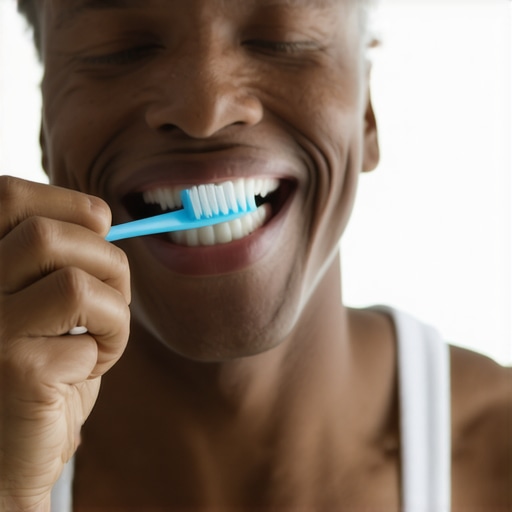 }Many people believe that brushing harder, using whitening agents, or skipping flossing won’t impact their long-term oral health, but these myths can cause more damage than good. Contrary to popular belief, aggressive brushing can wear down enamel and harm gums, leading to sensitivity and recession. Additionally, overuse of whitening products without professional guidance might erode enamel or cause uneven results, emphasizing the importance of customized cosmetic approaches. One of the most overlooked nuances is the proper timing and technique of professional cleanings; rushing or neglecting regular checkups can allow plaque and tartar buildup to lead to more serious issues. In fact, failing to understand the subtleties of family-centered dentistry, such as tailored preventive care for all ages, can result in avoidable extensive treatments later. Did you know that certain habits, like mouth breathing or improper diet, subtly influence your oral environment, increasing susceptibility to decay and gum disease? Addressing these overlooked factors requires a deeper understanding—beyond just brushing and flossing. Be cautious of the trap many fall into: believing that routine brushing is enough, without recognizing the importance of mineral retention, proper flossing techniques, and professional interventions. Advanced mistakes include neglecting saliva health or overlooking early signs of recession, which can be mitigated by cutting-edge diagnostics and personalized treatments. For those interested in optimizing their dental routines, exploring innovative solutions like bio-mineral cleaning or laser procedures can make a significant difference. Remember, expert guidance and nuanced care are key to long-term oral health, as emphasized by leading specialists in the field. Want to dive even deeper? Check out this comprehensive guide on maintaining lifelong oral health [here](https://gentlesmiledentist.com/maintaining-oral-health-expert-advice-for-a-lifetime-of-healthy-teeth). Have you ever fallen into this trap? Let me know in the comments.Maintaining optimal oral health requires more than just good intentions; it demands the right tools and a consistent routine. Over the years, I’ve experimented with various equipment and software to optimize my dental care, and today I want to share what truly works for me. First and foremost, investing in a high-quality electric toothbrush has revolutionized my cleaning routine. I prefer models with oscillating-rotating heads, like the Philips Sonicare DiamondClean, because they effectively disrupt plaque and reach hard-to-access areas, saving me time and effort. I also incorporate a water flosser, such as the Waterpik Aquarius, which has been proven to reduce plaque and improve gum health, especially for areas difficult to clean with traditional floss. My personal experience shows that the gentle pulsating water helps prevent gum bleeding, a sign of inflammation, which is critical for long-term health. For tracking my oral health over time, I utilize dental health apps like Toothpic, which allow me to monitor my progress, set reminders for checkups, and store dental images that my dentist can review remotely. This integration of technology ensures I stay proactive rather than reactive. When it comes to professional tools, my dentist recommends annual use of bio-mineral cleaning, a cutting-edge technique that strengthens enamel without scraping or harsh chemicals. It’s a game-changer, based on recent research that indicates mineral-focused cleaning methods outperform traditional scraping in preserving tooth integrityhttps://gentlesmiledentist.com/why-2026-bio-mineral-cleaning-is-better-for-enamel-than-scraping. Looking ahead, I believe the trend will shift toward smart dental devices integrated with AI, offering personalized feedback and real-time diagnostics. This technological leap will make maintaining your oral health more intuitive and effective. So, how do I maintain my tools over time? Regular replacement of brush heads—every three months—is crucial to prevent bacterial buildup and maintain cleaning efficiency. Additionally, I calibrate my water flosser periodically, following manufacturer guidelines, to ensure consistent performance. Creating a dedicated storage space for your devices and routinely sanitizing them with appropriate disinfectants keeps everything hygienic and ready for daily use. I also schedule annual professional cleanings and checkups, recognizing that cutting-edge tools are only as effective as the professional oversight backing them. For those eager to elevate their routine, I strongly recommend trying a bio-mineral cleaning session at your next dental visit—it’s a scientifically supported step toward stronger, healthier enamel and can redefine your expectations of dental care. Remember, the combination of quality equipment, smart tracking, and professional care is the cornerstone of long-term oral health. To explore more about innovative dental solutions, visit our comprehensive guide on dental innovations for 2025.
After years of experimenting with different routines and tools, I’ve uncovered some lesser-known lessons that truly transformed my oral health journey. These insights aren’t just tips—they’re game-changers that can help you prevent issues before they arise and enjoy a brighter, healthier smile for life.
What I Wish I Knew About Fluoride Retention and Its Power
One of my deepest lightbulb moments was realizing how crucial fluoride retention is. I used to rinse immediately after brushing, unknowingly washing away the fluoride meant to protect my enamel. Once I adopted a routine of waiting at least 30 minutes before rinsing, I saw noticeable improvements in sensitivity and cavity prevention. This simple shift taught me that patience with fluoride can make a real difference, and it’s a secret many overlook.
My Hidden Lesson on Customizing Family Dentistry for Every Age
Initially, I believed a one-size-fits-all approach to family dentistry was sufficient. But I discovered that tailored preventive care for children, teens, and adults creates a stronger foundation for everyone’s oral health. Personalized tips, age-specific products, and regular check-ins help identify issues early, saving money and discomfort down the road. Investing in customized family care is one of the best decisions I made for my loved ones’ smiles.
How Small Habits Can Reverse Receding Gums Naturally
I learned that very subtle daily actions, like adjusting sleeping positions and improving oral hygiene techniques, can slow or even reverse gum recession. Incorporating certain mineral-rich rinses and avoiding aggressive brushing not only protected my gums but also restored some of the lost tissue. These simple, natural habits are a testament to how powerful consistent, mindful routines can be in maintaining youthful, healthy gums.
My Go-To Resources for Cutting-Edge Dental Care
Over time, I discovered that trusted sources and innovative tools keep my routine effective. I rely on comprehensive guides like this expert advice portal for foundational knowledge, while cutting-edge items like bio-mineral gels and smart flossers from reputable brands have enhanced my results. Combining reliable information with the right equipment ensures my oral health is safeguarded with confidence.
Taking Action: Your Smile’s Future Is in Your Hands
Remember, real change begins with awareness and action. By understanding the nuanced tips and investing in quality tools, you can build a routine that supports your smile for decades to come. Don’t wait for problems to appear—start implementing these lessons today and experience the difference. Your happiest, healthiest smile is within reach if you commit to these proven strategies.
What small habit have you recently changed that made a big impact on your oral health? Share your story below—let’s inspire each other to smile brighter!
Comments are closed.