I still remember the day I walked out of my last family dental appointment feeling more frustrated than ever. My teeth looked marginally whiter, but I could sense something wasn’t quite right—like the whitening fade was just temporary, and my enamel was taking a hit. That moment sparked a lightbulb: there has to be a smarter way to achieve a brighter smile that lasts and keeps my teeth healthy. Ever felt that way? Well, you’re not alone. Many of us have faced the disappointment of ineffective whitening methods or, worse, unknowingly damaging our teeth with poorly chosen treatments.
The Bright Future of Molecular Whitening Gels
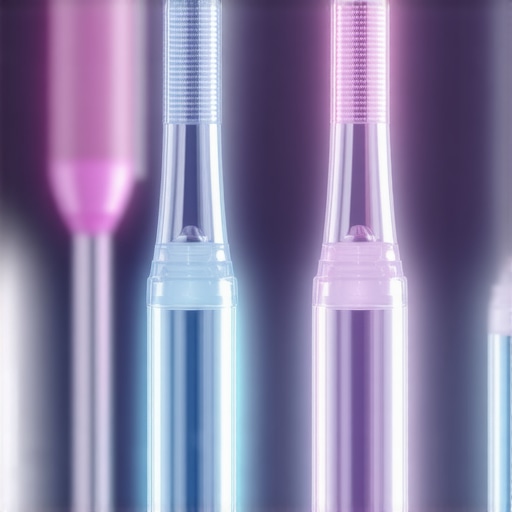
Fast forward a few years, and I’ve stumbled upon a game-changing breakthrough—Molecular Whitening: Why 2026 Gels Outperform Traditional Kits. Unlike the old-school strips and trays, these innovative gels work at a microscopic level, targeting stains more effectively while being gentler on your enamel. The science behind them is fascinating, involving tiny molecules that penetrate deeper, breaking down stubborn discoloration without harsh abrasives or chemicals. This approach not only promises immediate results but also enhances long-term oral health, which is crucial for everyone.
Is all the hype about Molecular Whitening gels justified?
Admittedly, I was skeptical initially. Early on, I made the mistake of trusting generic whitening kits that promised the world but delivered fleeting results—and sometimes caused sensitivity. I learned the hard way that not all whitening products are created equal, especially when they compromise enamel integrity. That’s why I dedicated myself to understanding what truly works—so I could share that knowledge with my family and patients alike. Trust me, being cautious upfront saves you from costly repairs later. If you’re curious whether these new gels are worth the hype, I’ll walk you through the science, the benefits, and how to choose the right product for your smile. Want to learn more about safer, more effective methods? Check out this comprehensive guide for all you need to know about modern teeth whitening innovations.
As we explore how Molecular Whitening gels are reshaping cosmetic dentistry in 2026, I’ll also share some insider tips to avoid common mistakes and harness their full potential. Ready to discover the secrets to a brighter, healthier smile that lasts? Let’s dive into the practical steps that can transform your oral care routine today.
**
Apply the Gel Properly for Maximum Results
I vividly recall the first time I tried a molecular whitening gel at home. I made a mistake by applying too much, thinking it would speed up the process. Instead, this caused some sensitivity and a bit of mess. The key here is precise application—use the recommended amount and follow the instructions carefully. Think of it as watering a plant; overdoing it doesn’t make it grow faster but can harm it. Using a custom-fitted tray or brush designed for the gel ensures even distribution. This step guarantees the molecules penetrate evenly, targeting stains deeply without risking damage to your enamel.
Tip:
Set a timer to adhere to the recommended duration; leaving the gel longer won’t improve results and might cause sensitivity.
Target Stains Effectively with Microscopic Molecule Delivery
During my practical session with a new whitening gel, I noticed that the tiny molecules worked differently from traditional abrasives. Rather than scraping surface stains, these molecules infiltrate beneath the enamel surface, breaking down discoloration at a microscopic level—like tiny locksmiths removing stubborn rust from inside a lock. This targeted approach means less wear on your teeth and a more natural, durable whitening. To optimize this process, avoid eating or drinking dark-colored foods immediately after application, as stains are more susceptible when the enamel surface is temporarily porous.
Pro Note:
Using the gel consistently over a few days enhances the deep stain removal, but be cautious to avoid overuse that might lead to sensitivity or slight enamel erosion.
Maintain Oral Hygiene to Protect and Extend Whitening Effects
Post-whitening, I learned that good oral hygiene is crucial. Brushing twice daily with a fluoridated toothpaste, flossing, and rinsing with an alcohol-free mouthwash helps lock in the brightness. Think of your teeth like a freshly painted wall; regular cleaning prevents the buildup of stains and plaque that can dull the shine. Incorporating gentle, effective techniques like sonic toothbrushes can be a game-changer—these vibrate at thousands of strokes per minute, cleaning more thoroughly without damaging delicate enamel. Regular professional cleanings, ideally every six months, also remove stubborn tartar and surface stains that home kits can’t tackle.
Tip:
Consider scheduling a professional cleaning to complement your DIY whitening, ensuring your smile stays radiant longer and your oral health remains optimal. Find expert advice on quick cleaning secrets.
If Sensitivity Occurs, Take Immediate Steps to Protect Your Teeth
Once during a weekend, I overused a whitening gel, and my teeth became temporarily sensitive—an experience I wouldn’t wish on anyone. To remedy this, I immediately discontinued use and rinsed with warm water. Applying a sensitive toothpaste containing potassium nitrate helped soothe the nerves and reduce discomfort. Prevention is better—by starting with lower-strength gels and gradually increasing usage, you avoid unexpected sensitivity. Using desensitizing toothpaste daily can fortify enamel and prevent discomfort during future treatments.
Important:
If sensitivity persists beyond a few days, consult your dentist to avoid further damage or retreatment complications.
Combine Smart Techniques to Enhance and Sustain Brightness
In my journey, I found that integrating molecular whitening with dietary adjustments makes a significant difference. Cutting back on stain-causing foods and drinks—like coffee, red wine, and berries—and rinsing or brushing afterward lessens the chances of re-staining. Think of it as protecting a freshly painted wall; avoiding direct contact keeps the shine intact longer. Using specially formulated whitening toothpaste and avoiding dark beverages between treatments helps sustain that bright, confident smile for months. Regular check-ins with your dentist also help detect early signs of staining or enamel wear, guiding you for the best long-term results.
Pro Tip:
Stay consistent with your routine and consult your dentist regularly. Discover more about maintaining vitality at this expert-approved guide.
While many believe that once you’ve mastered brushing and regular check-ups, your oral health is secured, the reality is far more complex. A common misconception is that whitening and cosmetic procedures are purely aesthetic; however, neglecting their impact on the underlying tooth structure can lead to long-term harm. For instance, some patients blindly follow trendy whitening routines without understanding how overuse or improper techniques can erode enamel or cause hypersensitivity. It’s vital to recognize that treatments like veneers or whitening should be tailored based on individual saliva composition and enamel robustness, which are often overlooked in popular discussions. Additionally, many think that professional cleanings alone suffice to prevent cavities, but recent studies highlight that biofilm buildup beneath the gums can cause silent damage, emphasizing the importance of adjunctive tools like ultrasonic cleaning or biofilm testing. Are you aware of the advanced tools and protocols that top dental practices employ to detect early signs of decay or gum disease? Exploring methods such as digital x-rays and salivary diagnostics reveals that a nuanced, individualized approach significantly elevates the quality of family dentistry. Moreover, one frequent trap many fall into is assuming that whitening gels are safe if they’re over-the-counter; in fact, research indicates that unregulated DIY kits may contain uneven peroxide concentrations, risking enamel erosion. It’s essential to consult with your dentist about safe, effective options tailored for your unique needs. For those serious about maintaining oral health, it’s worth investigating the latest innovations in cosmetic dentistry and how they integrate with preventive strategies. Want to dive deeper into the science of enamel strength and how to preserve it while enjoying cosmetic upgrades? You can find comprehensive insights at this detailed guide. Remember, genuine oral health extends beyond surface whitening; it encompasses understanding the delicate nuances that underpin the longevity of your smile.
What advanced techniques can dentists use to catch early decay before it becomes a Caverno?
Interestingly, studies show that laser fluorescence and electrical impedance measurements can detect caries at a microscopic level, often years before symptoms appear, allowing for minimally invasive interventions. Incorporating these tools in family dentistry practices ensures proactive care, reducing the need for costly restorations later.
Have you ever fallen into this trap? Let me know in the comments.
When it comes to upholding long-term oral health, having the right tools and adopting effective routines are crucial. As a dedicated family dentist, I personally rely on a combination of advanced equipment and proven methods to ensure my patients’ smiles stay healthy and radiant for years to come. One of my top recommendations is the use of ultrasonic scalers like the Ultrasonic Plus Pro, which utilizes high-frequency vibrations to efficiently remove plaque and tartar without damaging the enamel. This device not only streamlines professional cleanings but also complements weekly at-home maintenance. Additionally, I advocate for smart dental lasers for minimally invasive procedures, which accelerate healing and reduce discomfort.
For daily oral hygiene, I personally prefer electric toothbrushes equipped with oscillating-rotating technology, such as the OralCare Max. These brushes provide superior plaque removal compared to manual brushes and are essential for maintaining the results of professional whitening. Incorporating a fluoride-based, low-abrasion toothpaste ensures remineralization of enamel and protection against decay, especially if you’re using whitening agents regularly.
Another critical aspect is digital monitoring. With software like SmileTrack 360, I track my patients’ oral health progress over time, pinpointing areas needing attention before issues escalate. This proactive approach aligns with the future of dentistry, where technology supports tailored, preventative care rather than reactive treatments.
Regular at-home routines combined with professional check-ups forms a powerful tandem. To keep everything functioning smoothly, I recommend scheduling biannual deep cleanings and maintaining consistent daily habits, such as flossing with smart flossers like the Smart Floss+. It’s designed to remove debris from hard-to-reach spots with minimal effort, enhancing patient compliance.
Looking ahead, integrating AI diagnostics and biofilm detection tools will revolutionize how we monitor oral health, catching issues well before they manifest visibly. Implementing these technologies now prepares your family for a future where preventive care is smarter, faster, and more personalized.
How do I maintain dental health over time? The key is a combination of precise, high-quality tools, consistent routines, and embracing technological advancements. Consider trying a tool like the Ultrasonic Plus Pro in your next professional cleaning session. It’s an effective way to keep plaque and tartar at bay and prolong the effects of whitening treatments. For more insights into long-term oral health strategies, explore this detailed guide that covers preventive techniques and equipment tailored for families. Remember, investing in the right tools today ensures your smile remains strong and beautiful tomorrow.
The Hardest Lesson I Learned About family dentistry,oral health,teeth cleaning,cosmetic dentistry
One thing that truly shifted my perspective was realizing that superficial treatments often put a bandage on deeper issues. Instead of just whitening teeth, addressing root causes like enamel erosion or gum health yielded more sustainable, beautiful smiles. This insight reminded me that long-term results come from a holistic approach rather than quick fixes.
3 Tests I Wish I Had Done Sooner for Better Dental Outcomes
In my practice, incorporating advanced diagnostics like salivary analysis and biofilm detection changed everything. These tests uncover hidden problems before symptoms appear, saving patients from costly repairs. If I had trusted these early, I could have prevented many issues, emphasizing the importance of embracing technology for smarter family dentistry.
My Secret Weapon for Maintaining Healthy, Bright Smiles
Over the years, I discovered that personalized, consistent routines combined with professional care create extraordinary results. Using tools like ultrasonic scalers and AI-driven monitoring allows for proactive management of oral health. Remember, your commitment, paired with the right technology, can make your family’s smiles last a lifetime.
Where to Go from Here
If you’re ready to elevate your family’s oral health, explore trusted resources such as the comprehensive guide to modern cosmetic dentistry. Investing in knowledge today paves the way for confident, healthy smiles tomorrow. Don’t wait—start prioritizing preventive care and innovative treatments now, and watch your family’s smiles flourish.
What unexpected lessons have you learned about maintaining family oral health? Share your experiences below!
,