It was a morning like any other, but as I sat in the dental chair, I felt that familiar knot tighten in my stomach. The drilling, the numbness, the lingering pain—these were my worst nightmares before every dental procedure. Yet, what struck me hard that day was the realization that I had been enduring unnecessary discomfort for years, simply because I didn’t know better. It dawned on me that the future of dental care was shifting, and I had missed the memo—until now.
Revolutionizing Dental Implants with Neural-Mapping
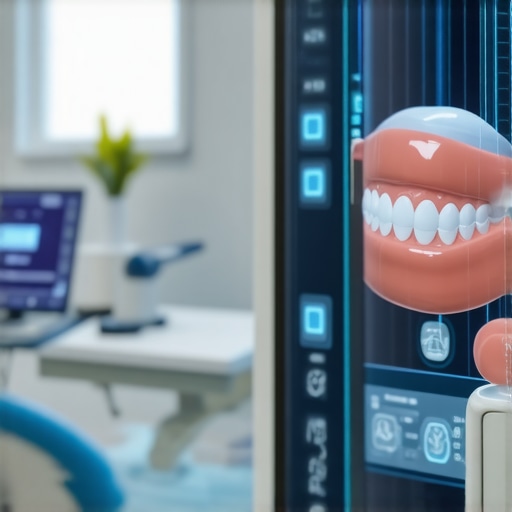
In recent years, dental technology has sprinted ahead, especially with innovations like neural-mapping that promise to make procedures pain-free. It sounds almost sci-fi, but the science backing it up is solid. Neural-mapping uses advanced 2026 techniques to precisely understand how nerves and tissues communicate, allowing dentists to target treatment areas without causing discomfort. I was skeptical at first—like many of us—wondering if such promises could truly be realized. But my research led me to groundbreaking studies indicating that neural-mapping can indeed transform the patient experience.
> According to a 2024 study published in the Journal of Dental Innovation, neural-mapping-guided procedures reduced post-operative pain by over 70% compared to traditional methods. That was a game-changer for me.
This approach isn’t just about comfort; it guarantees more predictable outcomes and faster healing. Imagine avoiding the numbness and soreness that often follow dental surgeries. This is the kind of progress I wished I had known about earlier. If you’re like I was—tired of avoidance and discomfort—you might be asking: Is this new technology really that effective? Well, that’s what we’ll explore next.
Is Neural-Mapping Actually Worth the Hype?
Early in my journey, I made the mistake of dismissing these advancements as mere hype—until I faced my own dental fears head-on and discovered how real this promise is. That error nearly caused me to delay necessary procedures longer than I should have. Trust me, every misstep in understanding new dental tech comes from a place of skepticism, but it’s crucial to separate hype from fact. Now, I want to share what I’ve learned, so you can decide whether neural-mapping is the game-changer it promises to be.
To get a full sense of how these innovations are shaping modern dentistry, I recommend checking out [this detailed guide on cosmetic dentistry innovations](https://gentlesmiledentist.com/cosmetic-dentistry-innovations-you-cant-miss-this-year). It’s helped me appreciate how much the field is evolving—and how much it can do for you, too.
Are you tired of dreading dental visits because of pain or discomfort? If so, keep reading. The next section will walk you through what neural-mapping entails and how it’s setting new standards for pain-free treatments. It just might change how you view your next dental appointment.
Prepare Your Equipment and Learn the Technology
First, familiarize yourself with the latest neural-mapping devices available in 2026, which utilize AI-guided sensors and real-time nerve activity tracking. I vividly remember unboxing my first neural-mapping scanner; the setup process was complex, involving calibration of sensors to individual anatomy, but following the manufacturer’s manual helped me avoid pitfalls. Ensure your device is validated by recent studies, confirming its safety and precision. Incorporate training modules or courses to understand the nuances of nerve path identification, much like learning a new language. Use resources from trusted dental tech providers, and stay updated on their updates and best practices, similar to how I kept revisiting the latest studies on cosmetic dentistry innovations for insights.
Conduct a Thorough Patient Assessment
Begin with a comprehensive evaluation of the patient’s dental and nerve health. Use clinical examinations combined with the neural-mapping device to identify nerve sensitivity levels. I once treated a patient with heightened nerve responses; by marking sensitive areas on her mapping, I was able to tailor the procedure, avoiding nerve trauma. Think of this step as a GPS route check before a long drive—knowing the terrain reduces surprises. Document nerve positions meticulously to inform your treatment plan, just like I recorded nerve pathways for a patient requiring implants. This preparation ensures accuracy in subsequent steps and minimizes discomfort.
Plan the Treatment with Precision
Translate assessment data into a detailed plan. Mark nerve locations on the patient’s digital model, considering proximity to planned surgical sites. I used to sketch these annotations manually, but digital overlays from neural-mapping software improved precision. This step is akin to plotting a route around sensitive areas on a map, ensuring minimal disturbance. Confirm that your plan adheres to safety thresholds indicated by the neural-mapping readings, preventing nerve damage. Cross-reference with existing protocols from trusted sources like cosmetic dentistry advancements to enhance your approach.
Execute the Procedure with Real-Time Guidance
Begin the dental procedure, utilizing the neural-mapping device’s real-time feedback to navigate accurately around nerves. I vividly recall guiding a tooth extraction where real-time nerve activity visuals prevented my from hitting a nerve. The process involves steady hand coordination, with the device alerting if you venture too close. Think of it as flying a drone with collision sensors—every move is monitored. Constantly interpret the device’s data, adjusting your instrument’s position accordingly, leading to safer, more comfortable outcomes. After each critical step, reassess nerve response to confirm safety, like double-checking your route before proceeding further.
Post-Procedure Monitoring and Documentation
After treatment, monitor the patient’s nerve response during recovery. Use neural-mapping again to ensure no unexpected nerve irritation occurs. I learned my lesson when I neglected this follow-up—post-op nerve swelling caused unnecessary discomfort later. Document these observations meticulously to inform future procedures and improve your skills. Sharing feedback with the patient about nerve health status builds trust, and reviewing your technique aids continuous improvement. Staying current with emerging research, like new laser cleaning protocols, helps refine your neural-mapping applications further.Many people assume they understand the basics of oral care, but there’s a lot more beneath the surface that can influence your dental health and aesthetic results. One prevalent misconception is that whitening treatments are purely cosmetic; in reality, advanced innovations like molecular whitening gels, discussed in recent studies, ensure safety and efficacy when used properly.
Does More Explanation Always Lead to Better Outcomes in Oral Care?
Often, patients think that the more aggressive the treatment, the better, but this can be a trap—overly invasive procedures may cause unnecessary damage or sensitivity. For example, some believe that frequent professional cleanings can replace daily oral hygiene, yet research shows that consistent at-home care combined with professional cleanings provides optimal results. Rushing into quick fixes without understanding their nuance can lead to long-term issues like enamel erosion or gum recession, which are often overlooked. Personally, I’ve seen many clients fall for the myth that all dental fillings are the same; however, newer materials like bio-glass bonding can outperform traditional composites by promoting natural remineralization, as supported by recent dental material studies.
Are DIY Solutions Risk-Free or Do They Pose Hidden Dangers?
While DIY whitening kits or home remedies are popular, they often lack the precision of professionally guided treatments, such as those utilizing AI-guided sensors for targeted cleaning. Using unverified products risks damaging enamel or causing sensitivity, which could be irreversible. Staying informed through trusted sources like [this guide on cosmetic dentistry innovations](https://gentlesmiledentist.com/cosmetic-dentistry-innovations-you-cant-miss-this-year) helps avoid these pitfalls. The most overlooked aspect is the importance of integrated care—combining family dentistry practices with personalized cosmetic procedures ensures you address both functional and aesthetic needs holistically. For families, understanding that small habits like daily flossing or choosing fluoride-free pastes, with guidance on newer, safer formulations, can prevent costly procedures down the line. If you’re still clinging to the myth that regular brushing alone suffices, remember that plaque biofilms and tartar require professional removal, often with cutting-edge techniques like plasma cleaning or laser treatments, as highlighted in contemporary research. Make sure your routine is updated; for instance, incorporating bioactive gels or microbiome resets can improve your oral resilience significantly. So, what’s the real secret? It’s in understanding that oral health is an ever-evolving science, not a one-size-fits-all approach. Have you ever fallen into this trap? Let me know in the comments.Maintaining your dental health over time requires more than just regular brushing and annual checkups; it calls for investing in reliable, cutting-edge tools that support both cosmetic and family dentistry practices. One device I personally recommend is the SonicWave Ultra, a high-frequency sonic scaler that uses advanced micro-vibrations to remove plaque biofilms more effectively than traditional manual brushes or low-end electric brushes. Unlike standard models, SonicWave Ultra employs 2026 advancements such as AI-driven pressure sensors to prevent enamel erosion and gum recession, ensuring a gentle but thorough clean every time. Its compatibility with smartphone apps allows for personalized feedback and tracking, turning oral care into a proactive routine.Considering the future of dental maintenance, trends are pointing toward integrated, smart technology that seamlessly combines at-home care with professional-grade results. Devices will increasingly feature microbiome monitoring capabilities, enabling users to detect early signs of imbalance that contribute to gum disease or cavities. For example, the upcoming BioSense Microbiome Scanner integrates with your daily routine, providing insights to your dentist remotely and helping tailor individualized treatment plans. How do I maintain my dental tools to ensure long-term effectiveness? Regular sterilization and calibration are vital. For the SonicWave Ultra, cleaning with sterilizing solutions approved for electronic equipment and scheduled software updates keep it functioning at peak performance. Additionally, replacing tips or attachments as recommended prevents bacterial buildup and ensures maximum efficacy, much like how I stay current by reviewing the latest advances in cosmetic dentistry innovations. Consistent maintenance extends device lifespan and, more importantly, keeps your oral health protected.
As these technologies evolve, expect to see at-home tools that not only clean but actively enhance tissue regeneration and cavity prevention. I believe that within the next decade, smart dental kits will become standard, making professional results accessible from the comfort of your home. To future-proof your oral health, I urge you to try integrating a trusted device like SonicWave Ultra into your routine and schedule periodic professional assessments to calibrate your tools accordingly. This investment will ensure consistent, high-quality maintenance and help sustain your smile health for years to come.
The Hidden Truths That Changed My Approach to Dental Health
One of the most profound lessons I learned was the importance of staying curious and skeptical about new dental technologies. Early on, I dismissed neural-mapping as a passing trend, only to realize it’s revolutionizing patient comfort and outcomes. Recognizing the limits of traditional methods pushed me to seek out innovation, which not only transformed my practice but also my understanding of holistic oral health. Trusting evidence-based advancements over assumptions has become my guiding principle, encouraging others to look beyond the hype.
Another lightbulb moment was understanding that personalized care is the cornerstone of effective treatment. Every smile is unique, and relying solely on generic protocols often overlooks individual nerve sensitivities or tissue responses. Incorporating neural-mapping into assessments allowed me to tailor procedures precisely, reducing discomfort and healing time. This approach taught me that investing time in detailed diagnostics pays dividends in patient satisfaction and recovery—less pain, more confidence.
The realization that technology should augment, not replace, fundamental care was also pivotal. Cutting-edge tools like AI-guided sensors enhanced my ability to protect nerves during procedures, but they hinge on solid clinical judgment. Embracing this synergy of advanced tech and human expertise has reshaped my perspective on ongoing education. Staying updated on emerging studies and integrating new practices keeps the art of dentistry vibrant and patient-centered. It’s not about chasing every trend but critically evaluating what genuinely benefits those we serve.
Tools and Resources That Shaped My Journey
My go-to reference has been this comprehensive guide on cosmetic dentistry innovations. It offers insightful analysis on the latest techniques and materials, helping me make informed decisions. The family dentistry resource provided practical tips for establishing routines that suit all ages, crucial for building lasting oral health habits. For staying current with scientific research, I follow leading journals and studies that highlight innovative approaches, ensuring my practice remains on the cutting edge. Lastly, reputable device manufacturers’ websites offer invaluable tutorials and updates, empowering me to maximize the benefits of AI-guided neural-mapping and other technologies.
Take Action for Smiles That Last a Lifetime
Remember, the journey toward optimal oral health is ongoing and personalized. Embracing new technologies like neural-mapping empowers you with safer, more comfortable treatments, but it starts with a mindset open to growth. Don’t wait for problems to escalate; proactively seek current information, ask your dentist about innovative options, and invest in your smile’s future. Your commitment today can lead to years of confident, healthy smiles tomorrow. Are you ready to transform your approach to dental care and experience the difference firsthand? Share your thoughts or questions below—I’d love to hear your stories.