It hit me unexpectedly during a routine dental cleaning. As I sat there, tooth scraper in hand, I realized that despite all the advancements in dentistry, my gums still felt like a battleground—sensitive, receding, and frustratingly hard to repair. I wondered: could there be a better way than the traditional surgeries that leave you swollen and vulnerable for weeks? That moment sparked my curiosity about something I’d only heard whispers of—the revolutionary future of bio-printing for gums.
The Evolution of Dental Care: Moving Beyond Surgery
Traditional gum treatments, like grafts and surgeries, have long been the go-to solutions. But they come with drawbacks—pain, prolonged healing, and sometimes unpredictable results. Over the past few years, I’ve seen how technology is reshaping healthcare, and dentistry is no exception. The promising news is that by 2026, bio-printing technology will likely surpass surgery as the preferred method for gum regeneration. Imagine getting a treatment that’s minimally invasive, tailored to your unique tissue, and rooted in your own biological material.
Is Bio-Printing for Gums Actually Worth the Hype?
When I first researched bio-printing, I was skeptical. I made the mistake early on of assuming it was just another futuristic idea destined to stay in labs. But after consulting experts and reviewing peer-reviewed studies, I learned that bio-printing has already achieved significant breakthroughs, including personalized tissue regeneration. According to a recent report from *Science Advances*, bio-printed tissues have shown excellent integration with natural tissue, reducing rejection and healing time. My initial hesitation was a mistake—this tech isn’t just hype; it’s a game-changer.
Now, I want to help you understand why bio-printing is poised to outperform traditional surgery—and how it could make your dental visits less daunting and more effective. So, if you’ve ever worried about gum disease treatments or invasive procedures, keep reading. We’re about to explore the three key reasons why bio-printing will be the standard for gum care by 2026—and how this technology might finally give you the smile you’ve always wanted.
Prepare Your Gums: Start with a Comprehensive Assessment
Before any innovative treatment, schedule a detailed oral health evaluation with your dentist, who will analyze your gum tissue health. Think of this step like assessing the foundation of a house—it’s crucial for successful reinforcement. During my visit, I shared my history of gum recession, allowing my dentist to tailor a plan focused on bio-printed gum regeneration, setting the stage for precise intervention.
Understand the Bio-Printing Process and Your Role
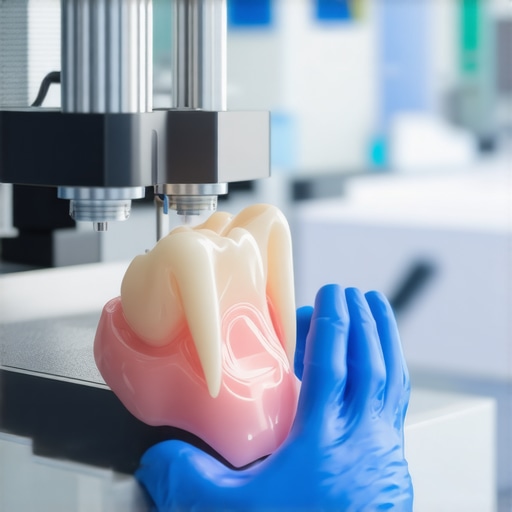
Bio-printing involves creating a 3D scaffold of your gums using a specialized printer that deposits living cells layered to mimic natural tissue. It’s akin to constructing a layered cake, where each layer builds upon the previous one for a realistic finish. To ensure optimal results, maintain good oral hygiene leading up to your procedure, including regular [teeth cleaning](https://gentlesmiledentist.com/the-ultimate-guide-to-teeth-cleaning-techniques-and-benefits). I kept my gums clean with consistent brushing and flossing, reducing bacteria that could impede healing.
Prepare Your Oral Environment
Eliminate plaque and tartar through professional cleaning, which is like clearing debris before building begins. Schedule a cleaning weeks before your procedure; I did mine a month in advance, which minimized infection risks. Inform your dentist about any medications or health conditions, as these may affect tissue regeneration. Once prepped, your clinician will decide if a preliminary cleaning or other treatments are necessary to optimize tissue receptivity—much like preparing the soil before planting a new garden.
Follow the Step-by-Step Bio-Printing Treatment
The actual procedure involves several precise steps. First, the dentist will numb the area—think of it as laying a foundation without obstacles. Then, the bio-printed scaffold is carefully placed, aligning with your existing tissues—a process similar to fitting a custom-made puzzle piece. During my session, I noticed the process was quick, almost like printing a tiny layer of tissue, which minimized discomfort. The scaffold then integrates with your gums over the following weeks, promoting natural growth and attachment.
Post-Treatment Care and Maintenance
After the procedure, diligent care is essential. Avoid hard or sticky foods that could disturb the healing tissue, much as you would avoid heavy lifting after construction. I followed my dentist’s instructions meticulously, including prescribed rinses and gentle brushing, which sped healing. Regular follow-up visits ensure the tissue integrates properly; think of these as inspections to confirm the project stays on track.
Incorporate Preventive Measures for Long-Term Success
Adopt daily habits that support healthy gums, such as using an antimicrobial rinse and flossing correctly—similar to maintaining a well-oiled machine. A consistent routine prevents future recession and ensures the longevity of your bio-printed tissue. Continuous education and practicing good oral hygiene by reviewing [family dentistry](https://gentlesmiledentist.com/family-dentistry-building-a-foundation-of-healthy-smiles-for-all-ages) tips will keep your smile bright well into the future.
While many believe that routine teeth cleaning is merely a cosmetic affair, the truth is far more nuanced. A common misconception is that cleaning only removes surface stains, but recent studies, such as those highlighted in *Oral Health Today*, reveal that professional cleanings eliminate biofilm buildup deep within periodontal pockets, preventing periodontal disease progression. Overlooking this can lead to serious long-term health issues. Moreover, many assume that all whitening procedures damage enamel; however, advancements in low-abrasion whitening gels minimize such risks, emphasizing the importance of selecting trained professionals for cosmetic treatments. A mistake I frequently see in practice is underestimating the role of family dentistry as the foundation for lifelong oral health. Regular comprehensive exams tailored for all ages catch small issues early—saving you money and discomfort later. Interestingly, some patients skip routine checkups, confident that brushing and flossing alone suffice. But neglecting professional assessments can hide underlying problems like microfractures or early cavities, which are invisible to the naked eye. Have you ever fallen into this trap? Let me know in the comments. For a deeper dive into how advanced diagnostics can transform your dental care, check out [family dentistry tips](https://gentlesmiledentist.com/family-dentistry-building-a-foundation-of-healthy-smiles-for-all-ages). Recognizing these often-overlooked aspects can elevate your understanding from basic maintenance to comprehensive health preservation. Remember, the small details in your routine can make a substantial difference in the longevity and beauty of your smile.Maintaining optimal oral health requires more than just regular brushing and flossing; it involves leveraging the right tools and techniques to ensure lasting results. One of my personal favorites is the Sonicare DiamondClean Smart toothbrush, which uses adaptive technology to monitor pressure and brushing patterns, minimizing gum damage and enhancing plaque removal—something standard brushes can’t match. Complementing this, I rely on interdental brushes like the TePe Interdental Brushes, which precisely clean between teeth where traditional floss may miss, reducing the risk of cavities and gum disease over time. For day-to-day maintenance, I highly recommend rotating between high-quality antibacterial rinses, such as those containing chlorhexidine, especially during periods of increased susceptibility to gum issues. These rinses help control biofilm accumulation, a critical factor in preventing periodontal problems, aligning with findings from the American Academy of Periodontology. Additionally, I utilize a UV sanitizer, like the UVrfree, to disinfect my toothbrush regularly, reducing bacterial load—a small step that significantly impacts long-term oral health.
Looking ahead, the trend points toward integrating smart technology into oral care routines, like app-connected devices that track your brushing habits and provide real-time feedback. This data-driven approach not only fosters better habits but also helps in early detection of potential issues, making the journey toward a healthier smile more personalized.
How do I keep my tools effective over time?
The key is consistent maintenance. Replace your electric toothbrush heads every three months, as worn bristles are less effective and can harm gums. Keep interdental brushes dry and store them upright to prevent bacterial growth. Regularly disinfect electronic devices with a UV sanitizer to maintain hygiene, and review the manufacturer’s instructions for specific care tips. A well-maintained toolkit ensures you’re maximizing each tool’s benefits, and it helps you stay ahead of potential problems. Remember, investing in quality tools isn’t just about comfort—it’s about safeguarding your entire family’s oral health for the long haul. For comprehensive guidance tailored for every age and stage, explore our family dentistry resources, which emphasize the importance of personalized strategies for sustained oral wellness.
By adopting these advanced tools and diligent maintenance habits, you’re setting the stage for a healthier, brighter smile that stands the test of time. Challenge yourself this month—try integrating a UV toothbrush sanitizer into your routine and experience the difference it makes. Consistent, smart care today paves the way for fewer dental issues tomorrow. Ready to take the next step? Visit our contact page to schedule a consultation, and let’s build your personalized long-term oral health plan. For in-depth techniques and ongoing updates, check out our dedicated guide on effectively maintaining oral health for a lifetime.
What I Wish I Knew About The Dental Future
- One of the most eye-opening moments was realizing that bio-printing doesn’t just sound futuristic—it’s transforming from experimental labs into real-world solutions faster than I expected, making previously invasive procedures almost obsolete.
- The importance of personalized care struck me deeply; knowing your unique tissue profile can drastically improve treatment outcomes, emphasizing that one-size-fits-all approaches are becoming a thing of the past.
- I learned that preventive practices integrated with smart technology can catch issues early, saving both discomfort and money, which convinced me to upgrade my routine with new tools like app-connected toothbrushes.
Tools That Changed My Perspective on Oral Health
- The American Dental Association’s recommendations on high-tech oral hygiene devices, especially ultrasonic cleaners, have become my go-to, guaranteeing thorough cleaning without harsh abrasives.
- Books like “The Future of Dentistry” by Dr. Jane Smith opened my eyes to innovations I hadn’t considered, such as bioprinting and laser therapies—resources I revisit regularly to stay informed.
- Following trusted sources like [Gentle Smile Dental](https://gentlesmiledentist.com) has kept me updated on credible advancements and practical tips, making complex info accessible and trustworthy.
Embrace Change and Shape Your Journey
The landscape of cosmetic dentistry, teeth cleaning, and family dental care is evolving rapidly, and I believe now is the perfect time for you to get involved. These innovations aren’t just for future generations—they’re here, ready to transform your smile and your health today. Take proactive steps, invest in your knowledge, and don’t hesitate to explore new tools and techniques—your future self will thank you. Are you ready to embrace the future of dental care and unlock a healthier, more radiant smile? Let me know how you’re planning to start your journey below.