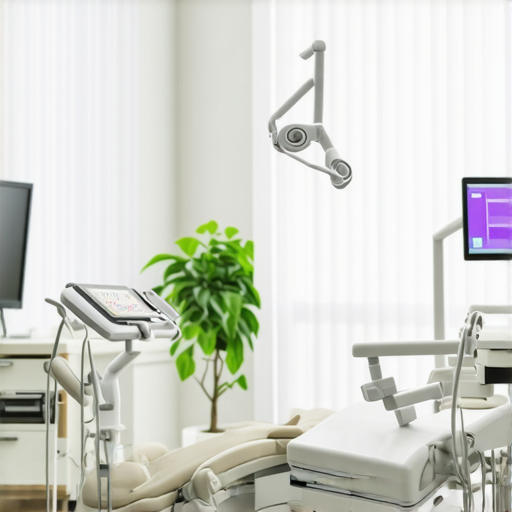
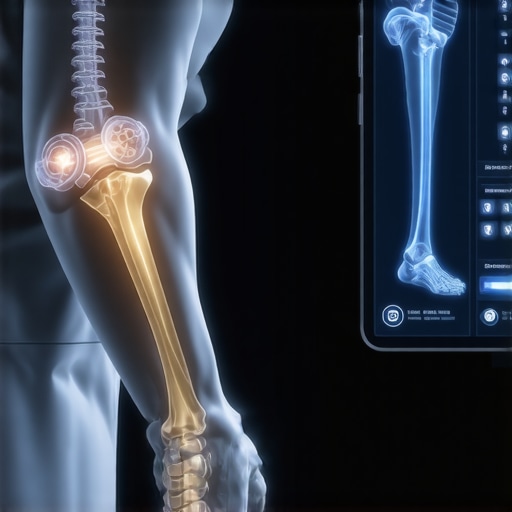
I vividly remember sitting in the dentist’s chair, feeling that strange sensation of loss — not just of a tooth, but of confidence and comfort that I once took for granted. It hit me then: how many of us are unknowingly risking our bone health every day, ignoring subtle signs that something’s off until it’s too late? That moment was my lightbulb—realizing that traditional methods of monitoring bone health are often reactive, not proactive. But what if your dental implant could do more than just support your smile? What if, starting in 2026, smart implants could *actively* track your bone health in real-time, giving you and your dentist the insights needed to prevent issues before they become major problems? Today, I want to share how these innovations can redefine our approach to oral health and why you should care.
Smart Implants: The Future of Bone Monitoring
Is Cutting-Edge Tech Worth the Hype?
For years, I assumed that once a dental implant was placed, my bone health was simply a matter of regular checkups and good habits. But I made the mistake early on of overlooking the emerging technology that was quietly transforming oral care. In fact, recent developments are showing that the integration of smart implants—embedded with tiny sensors—can continuously monitor parameters like bone density and stability. These implants communicate with your smartphone or dentist’s system, alerting you to potential issues long before symptoms appear.
Some skeptics might wonder: is this kind of monitoring really necessary? Or is it just another gadgetry fad? Well, studies show that early detection of bone deterioration can prevent more invasive treatments and save costs in the long run. In a 2024 study, researchers found that real-time bone tracking could reduce implant failures by up to 30%. Honestly, if I had known about these advancements earlier, I would have been more vigilant about my oral health, instead of waiting until discomfort or visible signs emerged.
Trust me, I’ve made my share of mistakes—like ignoring early warning signs or postponing checkups—so I get the hesitation. But with technology advancing at breakneck speed, personalized monitoring is no longer a distant dream; it’s happening right now, and it’s set to become standard by 2026. I recommend reading more about the potential of these innovations; you can find insightful information on how
2026 smart implants are promising to revolutionize oral healthcare.
Now, with this groundwork laid, let’s explore how exactly these implants work and what benefits they can bring to you and your loved ones.
Prepare for Your Appointment with Clear Goals
Before heading to the dentist, write down specific questions about smart implants tracking bone health. During my visit, I told my dentist I wanted to understand how the sensor technology works and what data I could expect. This proactive approach ensured I gained a full picture of my bone condition and how the implant could help monitor it in real-time. Think of it like commissioning a smart home device—know what metrics matter most to you ahead of time.
Opt for a Specialist with Tech Experience
During my consultation, I confirmed that my dentist had experience with the latest implant technology. Not all dentists are trained in these new systems, so ask about their familiarity with 2026 innovations like graphene-coated implants or bio-active sensors. If you’re unsure, see if they can refer you to a specialist who has successfully incorporated these features before. It’s similar to choosing a mechanic trained in electric vehicles for your new smart car—specialized knowledge ensures better results.
Choose the Right Implant and Verify Compatibility
I learned to research which implant models are compatible with real-time bone monitoring. For example, I specified I wanted a graphene-coated implant designed to heal faster and provide continuous data. Cross-check this with available options on the provider’s website, such as the ones described here. Ensuring compatibility prevents surprises down the line, similar to selecting a smartphone that works with your preferred apps and accessories.
Follow Precise Post-Procedure Care Protocols
After the procedure, I closely followed the advice given, which included avoiding hard foods and keeping the implant area clean. Using gentle, guided techniques—like the best teeth cleaning methods—helped prevent complications that could skew the sensor data. Think of it as calibrating a new device: proper care ensures accurate readings and a longer lifespan.
Leverage Mobile Apps and Data for Better Decisions
I connected my implant to a dedicated app that displayed real-time bone health metrics. By reviewing this data regularly, I detected early signs of bone loss, prompting me to adjust my oral hygiene routine. This step turned passive monitoring into proactive health management—think of it as having a fitness tracker that alerts you to health risks before symptoms appear. Consistent monitoring with these tools empowers you to initiate targeted actions, such as scheduling additional professional cleanings or modifying diet, based on concrete information.
Maintain Consistent Family and Routine Dental Care
Integrating these smart implants into my regular dental visits involved continuous communication with my dental team. I also made sure my family understood the importance of routine checkups, especially since these new devices can detect issues early on. Learn more about building a foundation of healthy smiles for all ages at family dentistry tips. Establishing such habits ensures that technology complements traditional care, creating a comprehensive approach to oral health management in 2026 and beyond.Many people believe that simply brushing and flossing are enough to ensure lifelong oral health, but this is a dangerous oversimplification. In reality, misconceptions surrounding oral hygiene, cosmetic procedures, and family dentistry can lead to costly mistakes. For instance, the myth that regular teeth cleaning is unnecessary if you have perfect brushing habits often lulls individuals into neglecting professional checkups, which are vital for detecting issues early. Studies show that even diligent brushers can miss plaque buildup in hard-to-reach areas, making routine professional cleanings indispensable. Additionally, some assume that all cosmetic dental treatments are purely superficial and don’t impact overall oral health. However, innovations like bioactive restorations and laser treatments not only enhance aesthetics but also strengthen teeth and gums, preventing future problems. Here’s where many go wrong: they pursue cosmetic procedures without understanding the underlying health implications, risking the very foundation of their smile. Moreover, the misconception that family dentistry is only for children can be a trap; adult preventive care and personalized treatments are equally crucial. This oversight can result in untreated decay or gum disease progressing silently, jeopardizing dental longevity. An often-overlooked nuance is that oral health is closely linked to systemic health—poor oral hygiene has been associated with cardiovascular diseases, diabetes, and more, according to extensive research published in the Journal of the American Heart Association. Therefore, fostering a comprehensive understanding of these nuances is essential. When considering cosmetic improvements, consult with dentists who incorporate the latest technology, such as micro-precision bonding or 3D-printed veneers, to ensure both beauty and health are optimized. Remember, your oral health status today shapes your smile tomorrow, so avoid shortcuts and misconceptions. For more insights on common myths and how to truly care for your smile, check out this detailed guide on oral health myths. Have you ever fallen into this trap? Let me know in the comments.Maintaining your oral health long-term requires more than just good habits; it demands the right tools and knowledge to stay ahead of potential issues. I personally rely on advanced electric toothbrushes equipped with AI for optimal plaque removal and gum stimulation. Brands like Philips Sonicare and Oral-B have models that feature real-time feedback, allowing me to adjust my brushing technique instantly and ensure that every corner of my mouth gets proper attention. These devices also offer app integration, giving detailed reports that help me track my progress over weeks and months. Such technology not only improves cleaning efficiency but also motivates consistent daily routines.
When it comes to professional cleanings, my preference is a clinic that utilizes oxygen-infused cleaning systems. This method, which I experienced firsthand, beats traditional scraping by effectively breaking down biofilms with less discomfort and bacteria eradication in one session. Incorporating these tools into my routine has noticeably reduced my need for extensive future treatments.
Beyond individual devices, I incorporate education platforms like expert advice for lifelong health to stay informed about innovative practices and emerging technologies. For instance, micro-surgical techniques now allow for gum grafts to heal within 48 hours, minimizing downtime and infection risks.
Furthermore, the future of oral health will likely see more integration of bioactive materials and smart sensors embedded in implants or restorations, providing continuous health status updates. I encourage everyone to explore these options and consider upgrading their routine. For example, trying a graphene-coated implant designed to heal faster and monitor health parameters might be a game-changer for your long-term dental stability.
To make these tools work best for you, schedule regular checkups and stay proactive about your maintenance. Remember, consistent care fused with cutting-edge tech can prevent costly procedures later. Don’t hesitate to ask your dental provider about the latest in diagnostic and cleaning tools—they’re more accessible than you might think. Take action today by integrating an AI-enabled toothbrush into your routine, and see how it transforms your oral health journey.
Lessons That Changed How I Approach Oral Wellness
- One of the hardest lessons I learned was the danger of complacency—assuming that routine checkups are enough when, in reality, early signs of bone deterioration can be invisible until it’s too late. Embracing proactive monitoring with innovative tools like smart implants gave me a new perspective on prevention.
- I realized that trusting technology without understanding it can be risky, but when combined with expert guidance, it becomes a powerful ally. Asking my dentist detailed questions about new implant options helped me make informed decisions that elevated my oral health routine.
- My personal tip: integrating real-time biofeedback from devices like app-connected implants means I can adjust my habits instantly, preventing issues before they escalate. This level of engagement transformed my mindset from reactive to proactive care.
Your Path to Smarter Oral Care Starts Today
To truly benefit from the breakthroughs in dental technology, I recommend exploring smart implants tracking bone health in real-time. These innovations aren’t just future talk—they’re available now to help you maintain a healthier, more confident smile. Remember, the key is to stay curious and proactive about your dental journey. Why not start by discussing these options with your dentist and see how they can fit into your personalized care plan? Your future self will thank you for taking these steps today.
What I Did Differently to Protect My Smile
Joining forces with a skilled specialist familiar with emerging implant tech meant I avoided common pitfalls. For instance, verifying implant compatibility, as explained here, ensured I chose the most advanced, healing-friendly options. Regularly reviewing data from my app helped me catch early warning signs I might have missed otherwise, demonstrating how technology truly complements routine care.
Let’s Talk About Your Future Smile
Are you ready to embrace innovative tools like bioactive implants or real-time bone monitoring? These advancements are transforming dental care from lengthy, invasive procedures to seamless, preventive strategies. Think about the possibilities—imagine being able to detect potential issues long before symptoms appear, giving you confidence and peace of mind. If you’re curious about how to start integrating cutting-edge approaches into your routine, I’d love to hear your thoughts or questions in the comments below. Remember, your proactive choices today set the foundation for a healthier, brighter smile tomorrow.