I remember the morning I caught myself inspecting my teeth in the mirror, eyes wide with concern. A tiny, almost imperceptible line of white appeared along my gum line—a sign I desperately hoped wouldn’t be the start of something worse. That moment was a lightbulb: I realized I’d been relying on my mineral rinse without truly understanding how it was working. It felt like a gamble, and honestly, it was.
Why Knowing the Signs Matters for Your Dental Health
Understanding when your mineral rinse is genuinely helping your teeth is crucial. Many people, myself included at first, believe a good rinse will cure all, but the reality is more nuanced. If you’re like me, you might be using the rinse regularly and yet worried about whether it’s truly combating early decay or simply masking initial symptoms. Recognizing the signs early can prevent minor issues from turning into costly, painful procedures down the line.
Could Your Mineral Rinse Be Doing More Harm Than Good?
This was a key mistake I made initially. I assumed that if the rinse looked effective, it was working well. However, I overlooked the importance of noticing subtle changes—positive or negative—in my oral health. Properly identifying signs that your rinse is reversing decay can save you time, money, and discomfort. External research confirms that early detection of dental issues leads to better outcomes and less invasive treatments (source: [American Dental Association](https://www.ada.org)).
So, have you ever felt uncertain whether your current oral care routine truly benefits your teeth? If yes, then you’re not alone. Understanding these little signs isn’t just about vanity—it’s about taking control of your long-term dental health.
Now, let’s dive into the most common indicators that your 2026 mineral rinse is making a real difference—or perhaps, signaling that it’s not enough. Ready to learn the telltale signs to watch for? Great! Because recognizing them can empower you to tweak your routine before problems escalate.
Monitor Your Gums for Changes
Begin by observing your gums daily. After applying your mineral rinse, look for signs of re-mineralization, which may include a smoother gum line and absence of sensitivity. I recall during a morning routine, noticing my gums looked healthier over a week, which encouraged me to continue consistent use. Think of your gums like the foundation of a house—healthy gums support overall dental stability.
Use a Mirror and Light Effectively
Position yourself in good lighting with a mirror that allows close inspection. Shine a bright light tangentially across your gums to highlight subtle changes. I once used my phone flashlight to examine my gum line, noticing tiny white spots diminishing—a visual proof of progress. This is akin to examining a painting for deterioration; close, detailed observation reveals what’s happening beneath the surface.
Track Tooth Sensitivity and Color Changes
Keep a dental journal, noting any shifts in tooth sensitivity or discoloration. Notice if foods that previously triggered discomfort are now tolerable. I recorded a decrease in cold sensitivity after two weeks, confirming my rinse’s effectiveness. Consider this process comparable to tracking a weight loss journey—small measurable signs help validate your method.
Assess Plaque and Tartar Buildup
Inspect your teeth for plaque accumulation or tartar deposits, especially in hard-to-reach areas. Use a disclosing tablet weekly to reveal hidden plaque. I tried this once and was surprised to find residual plaque on my molars after brushing, prompting me to reinforce my brushing technique. Think of it as a mechanic checking for unseen rust: revealing issues early allows precise intervention.
Recognize the Signs of Early Decay Reversal
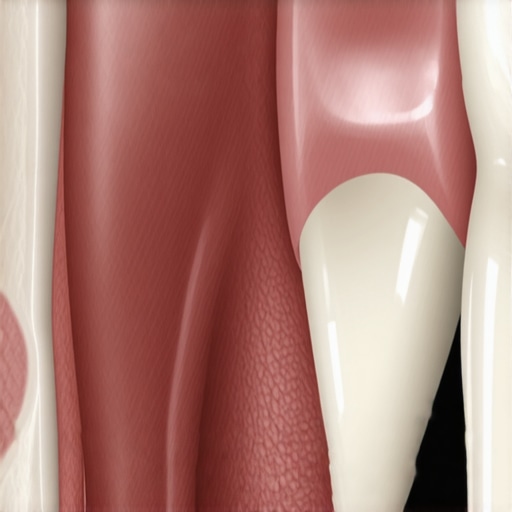
Early decay often presents as white spots or chalky areas on enamel. When I noticed these spots fading or becoming transparent, I knew my mineral rinse was positively impacting my teeth. Visual cues like this are similar to frost melting on windows—small signs of change indicating progress.
Use Professional Checkpoints When Possible
Schedule periodic dental check-ups to confirm self-assessment. Dentists can detect subtle changes that home observations might miss. During my last visit, my dentist confirmed that early decay halted, aligning with my own observations. This step is like getting a mechanic’s expert opinion after inspecting a vehicle—you gain validation and tailored advice.
Integrate Consistent Routine Checks
Make assessment a daily habit. Set reminders to perform visual inspections and note your findings. Over time, this diligence transforms into a personal health map, showing your teeth’s response to your care. Remember, like tuning a musical instrument regularly ensures harmony, consistent monitoring ensures dental harmony.
Many believe that a quick teeth cleaning or a bright smile is the end goal of dental health, but in reality, most people overlook the subtle factors that truly impact their oral well-being. A common misconception is that cosmetic dentistry is solely about appearance, yet breakthroughs like cosmetic procedures also enhance functionality and long-term health. Navigating the fine line between beauty and health reveals nuanced considerations, such as the importance of preserving natural tooth structure and understanding the limitations of veneers versus more holistic solutions.Maintaining your oral health over the years calls for more than just routine brushing and flossing—it requires reliable tools that support your efforts and help you track progress effectively. Personally, I swear by the [Airflow Teeth Cleaning System](https://gentlesmiledentist.com/the-ultimate-guide-to-teeth-cleaning-techniques-and-benefits), which uses a gentle yet powerful jet of water and fine powder to remove plaque even from hard-to-reach areas. This device has revolutionized my routine, making cleaning quicker and more thorough without the harshness of traditional scraping. For ongoing monitoring, I rely on a high-quality @home oral scanner, which pairs with my smartphone app to provide real-time feedback on gum health and plaque buildup, aligning with emerging trends in digital dentistry where precision meets convenience. As advancements continue, expect these tools to become even more intuitive, with AI-driven analysis helping us identify issues before they become visible.
Lessons That Took Me Longer Than They Should Have
- Never Rely Solely on External Signs: I used to believe that visible changes were the only indicators of progress, but I realized that subtle differences in enamel translucency or gum health reveal much more about my oral wellness.
- Document Your Oral Journey: Keeping a dental journal turned out to be a game-changer; it helped me notice patterns and measure my improvements with clarity, making my routines more intentional.
- Professional Check-Ins Are Worth Every Minute: Regular dental visits confirmed my personal observations, giving me peace of mind and expert advice that no guidebook could replace.
Tools That Elevated My Smile Game
- Disclosing Tablets: These tiny tablets exposed hidden plaque, transforming routine brushing into a smart, targeted effort, enhancing my understanding of where improvement was needed most.
- At-Home Oral Scanners: Pairing a digital scanner with my smartphone provided real-time feedback on gum health, turning dental care into an engaging, tech-savvy activity.
- Educational Resources from Trusted Sources: I relied on sites like oral health myths debunked to separate fact from fiction, empowering me to make informed decisions.
Let Your Inner Dental Detective Shine Bright
Remember, optimizing your dental health isn’t just about quick fixes or superficial smiles—it’s a lifelong journey of curiosity and care. Embrace the process, trust your observations, and don’t hesitate to seek professional guidance to keep your smile healthy and confident for years to come. Your proactive approach today sets the foundation for a radiant, pain-free tomorrow—so why wait to start noticing those subtle signs that signal real improvement? Have you ever caught a dental sign that changed your routine unexpectedly? Share your story below!