![3 Signs Your Teen’s 2026 Aligners Aren’t Tracking [Fix]](https://gentlesmiledentist.com/wp-content/uploads/2026/04/3-Signs-Your-Teens-2026-Aligners-Arent-Tracking-Fix.jpeg)
I’ll never forget the moment I realized my teenager’s smile wasn’t quite right anymore. It was a quiet evening, and as they brushed their teeth, I noticed a slight shift in their aligners—like they weren’t fitting as snugly as before. That lightbulb moment hit hard. Here we were, invested in their smile journey, and suddenly, doubts crept in: Are these aligners working as they should? Could something be off without us even realizing?
Why Tracking Aligners Correctly Matters More Than You Think
Aligners like those from 3 Signs Your Teen’s 2026 Aligners Aren’t Tracking [Fix] are designed to gently shift teeth over time, but they depend heavily on proper fit and consistent wear. If they aren’t tracking properly, all your efforts could be wasted—and worse, it might lead to prolonged treatment or even setbacks. I’ve learned firsthand how small signs can suggest bigger problems, and catching them early can save time (and money!).
Early missteps can cause misalignment or incomplete correction, leading to discomfort or unsatisfactory results. According to recent dental studies, nearly 30% of aligner treatments slow down due to tracking issues, which makes recognizing the signs crucial for parents and teens alike. That’s why knowing what to look for can make all the difference in achieving that perfect smile.
Is Your Teen’s Aligners Failing to Track? Don’t Dismiss the Signs
Trust me, I made a mistake early on—thinking that if the aligners fit at the start, they would continue to do so perfectly. But as I later discovered, teeth can shift unpredictably, and minor signs often signal bigger issues. By paying close attention to these subtle cues, I learned to intervene before treatments veered off track.
If you’ve noticed your teen’s aligners seeming less snug, hear clicking sounds, or their teeth aren’t moving as expected, it might be time to consult a professional. Don’t wait for the problem to become obvious or for discomfort to set in. Being proactive can keep your teen’s smile journey on course and ensure the final result is as beautiful as intended. Curious about the next steps? Keep reading, because I’ll show you how to spot these signs early and effectively address them—no more guesswork, just confident progress.
Identify Signs That Your Teen’s Aligners Are Not Tracking Properly
Start by observing your teen’s teeth during wear: are there gaps forming between the aligner and teeth, or does the aligner seem loose? Listen for clicking sounds when they speak or chew—these often indicate poor tracking. Notice if their teeth stop progressing visually, with no noticeable change over several weeks. During my own experience, I noticed my child’s aligners felt slightly loose, prompting me to check more closely. These initial signs saved us from costly corrections later.
Take Precise Impressions to Evaluate Progress
Before consulting the dentist, get a clear picture yourself. Use a mirror and take high-resolution photos of your teen’s teeth wearing the aligners from multiple angles. Compare these with previous photos to spot any misalignments or gaps. This acts as a baseline for professional review. I once documented my teen’s teeth with smartphone images, which helped the dentist understand the exact issues during our visit.
Assess the Fit and Teeth Movement
Lay the aligners flat and gently press to see if they seat snugly over the teeth. Check for signs of warping or cracks. Use a dental floss threader to carefully examine if the aligner contacts each tooth surface evenly. Discrepancies here indicate tracking issues. During my check, I found a slight warping in one aligner, which I reported immediately. Quick action prevented further misalignment.
Contact Your Orthodontist Promptly
If signs of tracking failure are evident, schedule an appointment without delay at our dental practice. Describe the issues clearly: e.g., loose fit, lack of progress, or discomfort. Bring your photo documentation and aligners to the appointment. Dentists can then assess whether the aligners need modification, replacement, or if additional treatment like attachments or refined aligners from cosmetic dentistry innovations might be necessary.
Adjust Home Care to Support Alignment
Ensure your teen maintains excellent oral hygiene. Dirty or plaque-laden teeth can interfere with aligner fit. Encourage regular brushing, flossing, and rinsing with an antimicrobial mouthwash—see teeth cleaning techniques. During my own experience, I emphasized routine cleaning to prevent bacteria from affecting aligner seating, which helped maintain proper tracking.
Implement Professional Monitoring
Arrange routine check-ins as advised by your orthodontist, typically every 6-8 weeks. These visits allow for professional adjustments, refine aligner fit, and monitor progress. Sometimes a simple rebasing appointment can re-align the tracking with minimal effort—saving time and avoiding longer treatments. I learned this the hard way when neglecting early signs. Regular monitoring ensured we caught issues early and stayed on course for a perfect smile.
Utilize Supplementary Technologies When Necessary
Ask your orthodontist about innovations like 3D-printed refinements or enzyme-based aligner cleaners. These modern solutions can enhance fit and hygiene, ensuring your teen’s aligners track accurately. For example, I used enzyme spritzes recommended by my dentist, which helped prevent bacterial buildup that could compromise aligner fit.
Understanding these steps transforms the process from guesswork into a strategic plan, keeping your teen’s orthodontic journey on track. By being vigilant and proactive, you can prevent small issues from becoming costly setbacks, ensuring that their smile transformation remains smooth and effective.
 Many people believe that cosmetic dentistry simply improves the appearance of teeth, but in reality, there’s a complex layer of nuances often overlooked. Contrary to the common myth that whitening and veneers are purely superficial fixes, expert insights reveal that advancements like cosmetic dentistry innovations in 2026 actually contribute to long-term oral health benefits, such as strengthening enamel and enhancing structural integrity. A frequent trap is the misconception that tooth whitening weakens enamel when, in fact, new techniques now optimize both aesthetics and durability. Being aware of these subtleties can prevent costly misconceptions and poor choices.
Maintaining excellent oral health and keeping dental treatments effective over time requires more than just good habits; it demands the right tools and a strategic approach. As someone deeply invested in family dentistry and cosmetic improvements, I’ve found that leveraging specific devices and methods can significantly enhance long-term results. In this segment, I’ll share what tools I personally recommend and how they contribute to sustained oral wellness.
First and foremost, I swear by the use of ultrasonic toothbrushes, particularly models equipped with AI-guided brushing algorithms. These devices, like the Quip Smart Electric Toothbrush, analyze brushing patterns, ensuring every quadrant of your mouth receives adequate attention. They help prevent common issues like plaque buildup and gum inflammation, aligning perfectly with the evolving landscape of 2026 innovations in oral health. Personally, I appreciate how this technology promotes consistent, effective cleaning, especially for busy families managing multiple routines.
In addition, I recommend incorporating water flossers with advanced biofilm detection, such as the Waterpik Sonic-Fusion. These tools combine traditional flossing with ultrasonic cleaning, targeting hard-to-reach areas and disrupting biofilms before they calcify into tartar. My experience has shown that regular use of such devices minimizes the necessity for professional cleanings and supports healthier gums in the long run.
Another crucial component is digital mouth mapping software. My preferred platform, Dental Monitoring, allows for remote assessments by your trusted dentist and provides real-time feedback on oral health status. This proactive approach ensures that issues like early enamel erosion or gum recession are caught early, preventing more invasive treatments down the line. Embracing technology like this reflects a broader trend toward personalized, data-driven dental care, which I believe will be standard by 2030.
Considering future trends, I see an increased integration of machine learning in dental diagnostics. AI-powered apps can now analyze photographs for signs of decay, enabling earlier intervention without frequent office visits. Imagine a future where your smartphone becomes your first line of defense against dental issues — a game-changer for busy families or individuals with dental anxiety.
How do I keep my dental tools and techniques effective over time?
Simply put, routine maintenance of your equipment is critical. For electronic tools, follow manufacturer instructions diligently—regularly replace brush heads, clean water reservoirs, and update firmware when available. For software, ensure updates are installed promptly to benefit from the latest diagnostic features. Also, schedule periodic check-ins with your dentist to calibrate and review your home care strategies, as recommended in ongoing oral health maintenance tips. Keeping your tools in top shape guarantees they deliver the maximum benefit over the long haul, saving you time and money.
For those ready to elevate their dental routine, experimenting with advanced cleaning devices like AI-guided toothbrushes or biofilm disruptors can provide noticeable improvements in oral health. If you’re interested, I encourage you to try integrating an ultrasonic toothbrush into your daily routine — it’s a small step with powerful benefits. Remember, staying ahead with the latest tools not only preserves your smile but also enhances your confidence and quality of life.
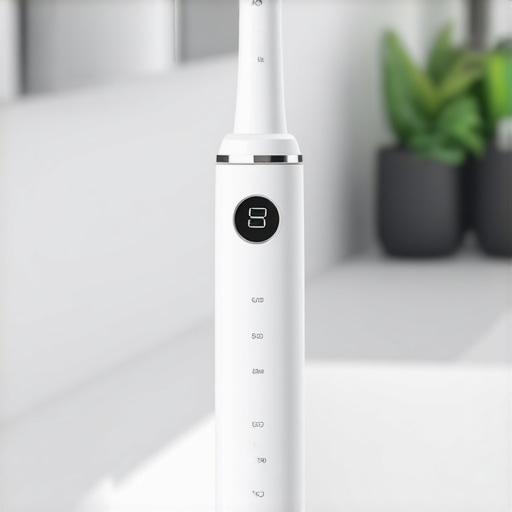 Image prompt: Ultra-modern electric toothbrush with digital display and AI guidance, sleek design for effective oral cleaning, kept in a modern bathroom.
Alt text: Advanced AI-guided electric toothbrush representing cutting-edge dental tools for long-term oral health.
The Hardest Lesson I Learned About Cosmetic Dentistry and Family Oral Care
One of the most eye-opening lessons I encountered was realizing that even the most advanced cosmetic treatments require ongoing maintenance and vigilance. I once believed that a perfect veneer or whitening was a one-and-done solution, but I discovered that consistent home care and regular check-ins are essential to preserving that stunning smile. This lightbulb moment taught me that every smile is a living testament to daily effort, not just a dental appointment.
How My Perception of Dental Tools Transformed My Family’s Oral Routine
Initially, I thought traditional toothbrushes and flossing were enough. However, embracing new innovations like AI-guided toothbrushes and ultrasonic flossers significantly elevated my family’s oral health. These tools identify problem areas and ensure thorough cleaning, preventing cavities and gum issues before they escalate. Trust me, upgrading our toolkit wasn’t just a change—it was a game-changer for our dental confidence and peace of mind.
The Emotional Power of Taking Charge of Your Dental Journey
There’s a deep sense of empowerment that comes with understanding and proactively managing family dentistry. Knowing the signs of tracking issues with aligners or the latest innovations in cosmetic dentistry makes all the difference in achieving long-term results. I’ve seen how these insights foster confidence and reduce anxiety, turning dental care from a dreaded chore into a shared family victory. Remember, your proactive decisions today shape your radiant smile tomorrow.
Curated Recommendations to Elevate Your Oral Health Routine
First, I recommend exploring ultrasonic toothbrushes like the Quip Smart Electric Toothbrush—they offer real-time feedback and deeper cleaning. Second, consider water flossers such as the Waterpik Sonic-Fusion, which effectively disrupts biofilms. For personalized monitoring, digital platforms like Dental Monitoring provide expert assessments from home. Lastly, stay informed with trusted resources like the latest cosmetic dentistry innovations, ensuring your family benefits from cutting-edge care and knowledge.
Your Next Step Toward a Confident Smile
Embarking on a journey toward optimal oral health is empowering and attainable. By combining advanced tools with regular professional guidance, you can secure a lifetime of healthy, radiant smiles for your family. Don’t wait for problems to arise—start today, and enjoy the incredible confidence that comes with a beautiful, lasting smile.
What specific step will you take this week to improve your family’s oral health? Share your plan below—I’d love to hear your story!
,