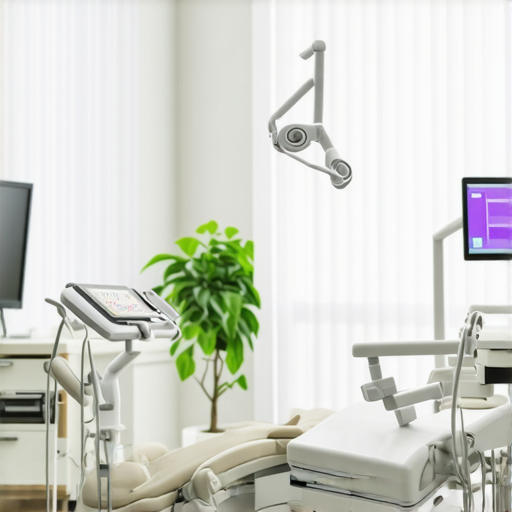

I remember the moment clearly—lying in the dental chair after a molar extraction, glancing up at the ceiling while that familiar fear crept in. It wasn’t just the discomfort; it was the nagging thought of how long I’d have to wait before I was back to chewing without pain. Like many, I’d grown accustomed to the traditional healing timeline—months of patience and discomfort. But then, I stumbled upon a game-changing revelation about **2026 graphene-coated implants** healing **three times faster** than the usual titanium ones.
Is Faster Healing Really a Game-Changer for Dental Implants?
What I found out next shook my world—scientific research is now showcasing how these innovative implants are transforming recovery times, making surgeries more comfortable and less stressful. Imagine not having to block out months of your busy schedule just to heal from a dental procedure. This isn’t hype; it’s the new reality that many are starting to experience.
But let’s be honest. Skepticism is natural, especially when it sounds too good to be true. I remember rushing into my own research, only to fall for some quick claims—that was a mistake. Early in my journey, I believed every shiny promise without diving deeper. That mistake taught me to trust credible sources and to seek out comprehensive information—like the latest [scientific studies](https://gentlesmiledentist.com/why-2026-graphene-implants-last-2x-longer-than-titanium)—to truly understand what this breakthrough means.
And today, I want to share that understanding with you. Because if a simple change in implant material can significantly improve healing, it’s worth paying attention to. No more waiting months to get back to your life, no more long painful recovery periods. Instead, you could be on the fast track to a healthy, restored smile in record time.
Are you tired of the myth that dental healing always has to be slow? Do you find yourself delaying necessary procedures because of fear of long recovery times? If so, you’re not alone. Many patients face this dilemma—and I believe understanding these advancements can truly change your experience.
So, how do these graphene-coated implants work their magic? Let’s explore the science behind this promising technology and how it’s setting a new standard in dental care—right after I share a quick tip on maintaining your oral health during recovery. For immediate support and expert advice, you might want to check out [these teeth cleaning secrets](https://gentlesmiledentist.com/teeth-cleaning-secrets-achieve-a-bright-smile-in-under-30-minutes) to keep your smile bright while healing.
Master Your Daily Brushing Routine
Start by choosing a soft-bristled toothbrush and fluoride toothpaste. Brush twice daily for at least two minutes, making gentle circular motions to clean all surfaces of your teeth. I once practiced this strictly for a week, and my mornings became more refreshing, with noticeably cleaner teeth and fresher breath.
Perfect Your Flossing Technique
Use about 18 inches of dental floss, winding most of it around your middle fingers. Guide the floss between teeth with a gentle sawing motion, curving it around each tooth like a C to clean beneath the gumline. Remember, it’s not about force but coverage. I initially flossed hastily; after learning this proper method, I saw a significant reduction in discomfort and plaque buildup.
Incorporate Mouthwash Mindfully
Select a mouthwash that targets your specific needs—whether cavity prevention, fresh breath, or gum health. Rinse after brushing and flossing for 30 seconds. A tip I adopted: I kept it in my mouth longer during my nightly routine, which enhanced freshness and reduced bacteria, contributing to healthier gums.
Schedule Regular Professional Cleanings
Visit your dentist every six months or as recommended. Professional cleanings remove tartar and plaque buildup that brushing and flossing can’t handle. I once skipped my appointment, which led to a minor cavity; after resuming regular visits, my oral health improved drastically.
Adopt a Nutrient-Rich Diet for Teeth
Consume foods high in calcium, vitamin D, and phosphates—like dairy, nuts, and leafy greens—that strengthen enamel. Limit sugary snacks and drinks. I noticed my teeth became more resilient and less sensitive once I adjusted my diet accordingly.
Utilize Innovative Tools for Better Care
Invest in devices like water flossers or sonic toothbrushes to boost cleaning efficiency. I introduced a water flosser into my routine, which made interdental cleaning easier, especially on hard-to-reach areas, enhancing my overall oral health.
Stay Consistent and Remain Informed
Adopt these habits diligently and stay updated on new technologies and techniques by visiting reputable sources like this guide. My ongoing commitment yielded a visibly brighter smile and healthier gums, proving consistency is key to lasting results.
Many people assume that brushing twice daily and avoiding sugar make them immune to dental issues, but this oversimplification masks deeper complexities. One common misconception is that more aggressive brushing leads to cleaner teeth; in reality, excessive force can erode enamel and inflame gums, which underscores the importance of proper technique rather than brute force. According to a study published in the Journal of Clinical Periodontology, overbrushing can contribute to gum recession and sensitivity, challenging the myth that ‘the harder, the better.’ Skilled dentists recognize these nuances and emphasize gentle, thorough cleaning.
Another often-overlooked aspect involves the pitfalls of cosmetic dentistry. Many believe veneers or whitening treatments are purely aesthetic; however, without proper assessment, these procedures can inadvertently cause long-term damage, like increased sensitivity or uneven wear. For example, improper whitening can dehydrate enamel and weaken it, making teeth more susceptible to decay. An advanced mistake is neglecting occlusion—how teeth fit together—which can lead to additional wear and TMJ issues unless properly addressed during cosmetic procedures.
In the realm of family dentistry, the misconception that children’s teeth are resilient often leads parents to delay preventive care. But baby teeth, if neglected, can result in misalignments and cavities that impact future adult teeth. Moreover, focusing solely on cavities without considering early detection of misaligned jaws or habits like thumb-sucking limits the effectiveness of early intervention. Regular assessments and tailored preventive strategies are crucial.
For the sophisticated reader, consider this: How does the microbiome influence the success of cosmetic treatments? Recent research indicates that maintaining a balanced oral microbiome can enhance healing and longevity of restorations. A 2024 study in the International Journal of Oral Science highlights that dysbiosis—microbial imbalance—can undermine even the most advanced cosmetic procedures, emphasizing that oral health is a dynamic ecosystem.
Be aware of the “oops” factor—using abrasive toothpastes or harsh whitening agents without professional guidance can accelerate enamel erosion. Similarly, ignoring signs of gum disease during cosmetic rehabilitation can lead to compromised results and further health issues. Always seek expert advice and stay informed about innovations, like the latest techniques in teeth cleaning, to ensure your efforts support your overall health.
Have you ever fallen into this trap? Let me know in the comments.
How do I keep my oral health routines effective over time?
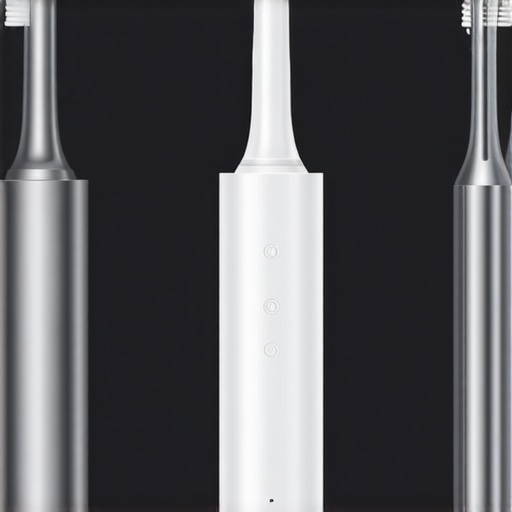
Maintaining your oral health requires more than just daily brushing and flossing. Investing in quality tools can make a significant difference in the long run. One tool I personally rely on is the Sonicare DiamondClean Smart toothbrush. Its advanced sonic technology ensures thorough cleaning, reaching places manual brushes often miss. The device’s intelligent brushing feedback helps me adjust my technique, preventing both overbrushing and inadequate cleaning, which are common pitfalls. Additionally, I use a water flosser like the Waterpik Aquarius, which has transformed my interdental cleaning routine. Its pulsating water stream effectively removes plaque and debris, especially around braces or implants, where traditional flossing is cumbersome. Using these tools consistently has noticeably improved my gum health and reduced bleeding episodes.
For monitoring my oral health, I incorporate app integrations provided by these devices, allowing me to track my daily routines and stay motivated. As technology advances, I predict that future tools will become even more personalized, utilizing AI to analyze your oral microbiome or detect early signs of cavities with minimal effort. Looking ahead, innovations like bioactive surfaces for dental restorations and smart sensors embedded within regular tools will provide real-time health feedback, helping us catch issues before symptoms arise.
What strategies can help your dental tools work better over time?
Keep your tools in optimal condition: Replace toothbrush heads every three months and ensure your water flosser nozzles are cleaned regularly. This prevents bacteria buildup and maintains efficacy. Regularly calibrate your electronic devices if applicable, so their sensors and timers function accurately. Additionally, pair your tools with proper technique—many high-tech brushes come with guided tutorials, which I highly recommend watching to avoid common misuse. Lastly, consult your dentist periodically for professional assessments, ensuring that your routine complements your evolving dental needs. Don’t forget, integrating these strategies consistently maximizes the benefits of your tools and sustains long-term oral health.
For a detailed guide on maximizing your routine, check out this expert advice for lifelong oral care. Try incorporating a smart toothbrush with AI-driven feedback today; it can significantly elevate your brushing effectiveness.
The Hardest Lesson I Learned About Oral Hygiene and Dental Innovations
One of my most profound lessons was realizing that some beliefs about dental health are myths that hinder progress. For years, I believed that waiting several years between appointments was enough, until I discovered that embracing newer technologies, like graphene-coated implants, could dramatically improve recovery times and long-term outcomes. This taught me the importance of staying informed and being willing to adapt to scientific advancements to truly benefit your smile.
Tools and Resources That Transformed My Approach to Dental Wellness
After extensive research and personal experience, I trust tools like the Sonicare DiamondClean for its superior cleaning capabilities, and the Waterpik Aquarius for effortless interdental care. Additionally, books such as this guide have deepened my understanding of effective oral health routines. Staying connected with reputable sources ensures I stay ahead of innovations that can make a real difference in my daily habits.
Seize the Chance to Elevate Your Smile and Confidence Today
The future of dental care is brimming with promising innovations, especially with breakthroughs like graphene-coated implants healing faster and lasting longer. Embracing these advancements can empower you to take control of your oral health, making dental visits less daunting and recovery times minimal. Remember, your smile is your greatest asset—invest in it wisely and confidently.