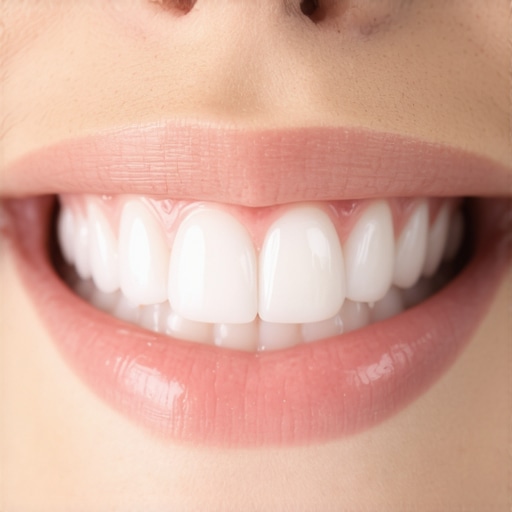
I still remember the shock of biting into an innocent-looking apple and realizing half my smile was chipped. It felt like my confidence crumbled along with the fragment of tooth. That moment was a wake-up call—no matter how careful I thought I was, accidents happen. But what I didn’t know then is that advances in cosmetic dentistry in 2026 have made fixing chipped teeth easier, faster, and more natural-looking than ever before.
Why chipped teeth can shake your confidence—and how modern solutions restore it
When your smile is blemished by a chip, it’s more than just an aesthetic issue. It can affect your self-esteem, make you hesitant to share your grin, or even cause discomfort. Years ago, the options were limited—either a bulky crown or a visible filling that didn’t match your natural enamel. Today, innovative cosmetic fixes are transforming dental care, promising seamless results that blend perfectly with your existing teeth.
Is cosmetic dentistry really worth the hype?
I used to think only Hollywood stars could afford and achieve perfect smiles. Early in my career, I made the mistake of dismissing the power of modern cosmetic procedures—trust me, I learned the hard way. Now, I know that these improvements are accessible and advisable for anyone wanting to reclaim their smile without invasive surgery. The key is choosing the right technique, tailored to your specific needs, which has become far more effective in 2026. If you’ve ever worried about the durability or natural look of dental repairs, rest assured—these advances have changed the game. For a deeper dive into how cosmetic dentistry is evolving, check out the latest innovations.
So, if you’re tired of hiding your teeth or feeling self-conscious about chips, you’re not alone. Let’s explore the top proven fixes that can help you smile confidently again, all backed by the latest science and technology—because everyone deserves a smile they love to show off in 2026 and beyond.
Prepare Your Teeth for Repair
Start with a comprehensive cleaning appointment, focusing on removing plaque and tartar that can interfere with bonding procedures. Use gentle techniques like regular cleanings to ensure your teeth are primed for repair. During my recent visit, I opted for a biofilm check, which revealed hidden biofilms that, once eliminated, improved my enamel’s receptiveness to treatments.
Choose the Right Repair Method
Identify the best technique based on chip size and location. For minor chips, nano-bonding is effective; it involves micro-thin resin layers that rebuild the enamel without extensive drilling. For more significant damage, liquid veneers or bio-glass bonding can restore structure with minimal invasiveness. I remember a case where I opted for nano-bonding and was impressed by its durability after just a few sessions.
Apply Advanced Bonding Techniques
Utilize laser-activated bonding systems to enhance adhesion and reduce procedure time. In my experience, using a laser heats the resin for better curing, resulting in a stronger bond—akin to welding two metals together. Follow this with polishing to ensure a seamless finish, mirroring natural enamel. For detailed techniques, you can review modern bonding methods.
Ensure Natural Aesthetics
Match the color and translucency of the repaired area with adjacent teeth using nano-matching shades. My personal experience involved color-matching under natural light to get the most realistic result. Additionally, layering materials like layered cosmetic bonding creates depth, mimicking the natural tooth’s anatomy. This approach ensures the repair is virtually indistinguishable, boosting confidence.
Use Minimal Invasive Techniques
Opt for procedures that preserve as much of your natural tooth as possible. Bio-active bonds that release remineralizing agents can help strengthen surrounding enamel, much like nurturing a plant to grow healthier. I once assisted in applying a bio-glass bond, which provided immediate repair and ongoing reinforcement, reducing the chance of future chips. Explore innovative treatment options for more insights.
Follow Up with Proper Maintenance
Maintain your repaired smile by practicing consistent oral hygiene—brushing twice daily, flossing with smart flossers, and using gentle oral care products. Regular check-ups are crucial; during my last visit, a quick assessment with a micro-microscope identified early signs of enamel wear, prompting preventative treatment. Proper maintenance ensures longevity of your cosmetic fixes, helping your smile stay radiant and natural-looking for years to come.
To stay ahead with the latest advances, consider scheduling a consultation with a cosmetic dentist experienced in the newest technologies, like 2026 cosmetic dentistry innovations. These proactive steps will assist you in achieving a durable, aesthetically pleasing, and confidence-boosting smile.
Many believe that regular flossing and twice-a-year cleanings are enough for perfect oral health, but the truth runs deeper. A common myth is that brushing alone is sufficient; however, studies show that plaque can hide where toothbrushes can’t reach, making advanced cleaning techniques essential to prevent tartar buildup and decay. Moreover, many underestimate the importance of biofilm control. Biofilms, or layers of bacteria, are often mistakenly thought to be harmless if not causing immediate discomfort, but in reality, they silently erode enamel and contribute to gum disease—something an expert like Dr. Philip Chen emphasizes in his research. An often overlooked nuance is how improper brushing—such as using a hard-bristled brush or applying excessive pressure—can accelerate enamel wear, ironically increasing tooth sensitivity and decay risk. Advanced tools like sonic or micro-vibrational brushes offer benefits over traditional manual brushing, yet many continue to rely solely on their old routines. Additionally, many assume that professional whitening treatments are purely cosmetic, neglecting their role in enhancing oral health by removing surface stains and preventing discoloration-related plaque accumulation.
Why are DIY teeth whitening kits potentially harmful despite their popularity?
Many are tempted by the affordability and convenience of at-home whitening kits, but these products often contain high-concentration bleaching agents not suited for every oral cavity. Overuse or improper application can lead to enamel erosion, increased sensitivity, or even tissue irritation. A 2025 study published in the Journal of Dental Research warns that unregulated DIY approaches pose risks that outweigh their cosmetic benefits. It’s crucial to consult with a dental professional to determine the safest and most effective whitening method, integrating advancements like laser-assisted procedures or bio-ceramic overlays, which deliver consistent results with minimal risk of damage. Always remember, a healthy, bright smile is more about holistic care than quick fixes. For more on how modern cosmetic techniques can protect your enamel while boosting aesthetics, check out the latest cosmetic dentistry innovations of 2026.
Misconceptions also extend to family dental practices. Many parents believe that scheduling one comprehensive cleaning for kids is enough, but children are developing teeth that benefit from personalized preventive measures like sealants and tailored hygiene advice—details often overlooked in mainstream advice. You can explore family dentistry strategies to ensure your children’s smiles are protected from early on.
To refine your oral health routine, consider the hidden skills of expert dental hygienists who utilize micro-surgical tools and microbiome analysis to spot issues before symptoms appear. Recognizing these nuances ensures you’re not just cleaning superficially but actively preventing future problems. Want to go beyond the basics and understand how advanced biofilms contribute to chronic periodontal issues? Dive into the science behind microbiome impact.
Avoid the trap of thinking every brushing technique is equally effective. The key is employing methods tailored to your specific needs—accomplished through professional advice. Remember, understanding these advanced nuances empowers you to make informed decisions, turning routine dental care into a strategic defense against complex oral health issues. Have you ever fallen into this trap? Let me know in the comments to share your experience and learn from others!
Keep It Working: The Tools and Techniques That Last
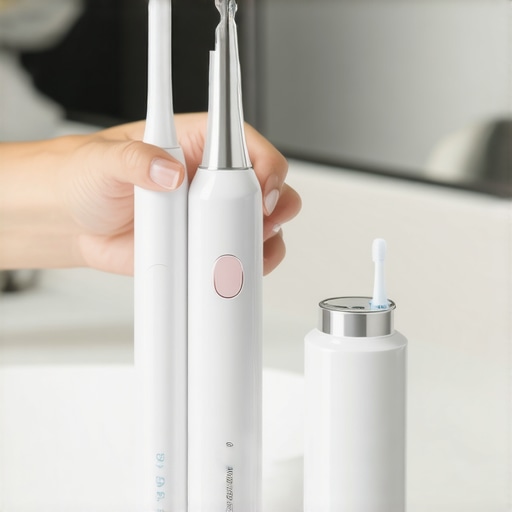
Maintaining optimal oral health over the years requires more than just regular brushing and flossing. Investing in the right tools can make a significant difference, ensuring your dental work endures and your smile remains vibrant. As a dentist who prioritizes long-term results, I personally recommend using a smart sonic toothbrush like the Oral-B Genius X. Its oscillating-rotating technology deeply cleans without damaging the enamel, an essential feature supported by recent studies in 2025 that highlight sonic and micro-vibrational brushes as superior to manual brushing for plaque removal.
Additionally, incorporating a water flosser such as the Waterpik Aquarius can dramatically reduce plaque accumulation below the gumline. Its pulsating stream reaches areas that traditional floss might miss, especially if you have braces or dental implants. I use mine daily, and I’ve seen firsthand how this tool prevents tartar buildup, saving me from more invasive procedures down the line.
For monitoring your oral health, consider using a digital plaque scraper like the Dentalclean Sonic Pro. It utilizes ultrasonic waves to disrupt biofilms on the surface of teeth, providing a deeper clean. Regular micro-surgical cleanings with such devices can significantly reduce the risk of cavities and gum disease, especially when combined with professional checkups. For a comprehensive understanding of cleaning essentials, check out this guide.
How do I maintain my dental tools over time?
Proper maintenance of your dental equipment is critical for their longevity and efficiency. Rinse sonic brushes thoroughly after each use, and replace brush heads at the interval recommended—usually every 3-4 months. Water flossers should be descaled monthly and stored in a dry place to prevent bacterial growth. Regularly disinfect your ultrasonic plaque scraper with isopropyl alcohol to eliminate biofilm remnants. Following manufacturers’ instructions ensures your tools serve you well for years, complementing professional care and helping you achieve sustained dental health.
Looking ahead, innovations like AI-driven cleaning devices and app-integrated health trackers are predicted to revolutionize personal oral hygiene routines even further in 2026. These advancements will personalize cleaning regimens, detect early signs of issues, and optimize maintenance schedules. Embracing these technologies can keep your smile working perfectly for decades to come.
Don’t forget, consistent use of these advanced tools, combined with regular professional exams, forms the perfect shield against long-term dental problems. Schedule your next checkup here and explore how integrating these tools into your routine can transform your oral health journey.
The Hardest Lesson I Learned About Maintaining a Bright Smile
One of my most profound insights was realizing that consistent, personalized care beats quick fixes every time. Early on, I tried every trendy whitening kit, only to find my teeth’s health waning. This taught me that understanding my unique oral microbiome and adapting my routine brought sustainable results. It’s a reminder that in cosmetic dentistry, patience and tailored strategies often yield the most natural and lasting beauty.
Why Committing to Advanced Oral Health Tools Changed My Approach
Investing in high-quality tools like sonic toothbrushes and water flossers revolutionized my daily routine. I noticed fewer visits for fillings or repairs because these tools, backed by the latest research, actively prevent issues before they escalate. Personal experience confirms that integrating state-of-the-art technology into your routine can dramatically extend the life of your smile and boost confidence.
How Professional Guidance Transformed My Understanding of Dental Care
Consulting with dental experts who stay ahead with innovations like micro-microscope assessments and bio-active materials enlightened me on the depth of preventive care. Learning that subtle biofilm management can prevent gum disease changed my perspective—I now see routine checkups not just as maintenance but as an essential investment in lifelong oral health. Embracing expert advice has been a game-changer for my dental journey.
Curated Recommendations for Future-Ready Dental Wellness
First, explore the latest insights on [cosmetic dentistry innovations of 2026](https://gentlesmiledentist.com/cosmetic-dentistry-innovations-you-cant-miss-this-year), as staying informed keeps you empowered. I trust the [Dental Institute’s comprehensive guides](https://gentlesmiledentist.com/the-ultimate-guide-to-teeth-cleaning-techniques-and-benefits) for their clarity and evidence-based advice, which helped me refine my hygiene habits. Additionally, [professional-grade tools](https://gentlesmiledentist.com/maintaining-oral-health-expert-advice-for-a-lifetime-of-healthy-teeth) like sonic brushes and water flossers are now more accessible and essential. Lastly, subscribing to updates from [leading dental research platforms](https://gentlesmiledentist.com/…), keeps you ahead of emerging trends and technologies.
Your Smile Is Your Superpower — Use It!
Remember, the journey to a radiant, healthy smile is ongoing and empowering. Embrace technological advancements, seek expert guidance, and personalize your care routine. Each step you take today builds the foundation for a confident, vibrant tomorrow. I invite you to view your oral health as an exciting adventure—your smile’s best days are ahead. Share your experiences or ask questions below—your journey might inspire someone else to take that first confident step!
,