I still remember the night I woke up with a strange, sour taste in my mouth and an inexplicable tooth sensitivity. I brushed aggressively, thinking I had just forgotten to floss, but deep down, I knew something was off. It was that lightbulb moment—realizing that the fatigue and disturbed sleep I was experiencing might be more connected to my oral health than I had ever imagined.
Why Your Sleep Could Be the Key to Detecting Tooth Decay
In recent years, I’ve become fascinated by how our bodies are more interconnected than we give them credit for. Sleep, in particular, is a vital sign—a barometer of overall health. But what if I told you that the data from your sleep patterns in 2026 could actually predict the onset of tooth decay? Yes, you heard that right. Thanks to advancements in sleep tracking technology and oral health research, there’s a new frontier in preventative dentistry unfolding, and it’s happening sooner than you think.
Imagine waking up feeling unrested, dragging your feet throughout the day, and then realizing after a visit to the dentist that a cavity has been forming for months—months you might have caught early if only your sleep data had been properly analyzed. Recent studies show a surprising link between disrupted sleep and increased susceptibility to oral health issues, including cavities and gum disease. This connection is rooted in how sleep deprivation can impair immune function and increase inflammation—both factors that create a perfect storm for tooth decay (source: Gentle Smile Dentist).
My early mistake was dismissing my irregular sleep as just a side effect of stress. Instead, I should have paid closer attention to the correlation between my sleep quality and my oral health. This oversight delayed my intervention and made me realize how crucial it is to look at the bigger picture. Now, with 4 ways your 2026 sleep tracking data can predict tooth decay, I aim to help you spot warning signs early and avoid the painful—and expensive—road to cavities.
Is Sleep Data Actually Worth the Hype?
This might sound like science fiction, but there’s solid research behind it. Sleep quality influences many biological processes that directly affect oral health. If you’re skeptical, you’re not alone. I initially thought, “How much can my sleep really tell me about my teeth?” but my experience proved otherwise. The mistake I made early on was dismissing the importance of holistic health data, focusing solely on traditional dental checkups instead of integrating technology-driven insights into my routine. Don’t make my mistake—engage with your sleep and oral health data, and you’ll be surprised at what you discover. Ready to learn how to harness this powerful tool? Let’s dive into the practical steps you can take today.
Establishing a Consistent Oral Hygiene Routine
Start by developing a daily routine that includes brushing at least twice a day with fluoride toothpaste and flossing thoroughly. Use an electric toothbrush with timers to ensure comprehensive cleaning, much like a mini team working together to scrub away plaque. I once attempted to manually brush my teeth in a hurry, which resulted in missed spots; switching to an electric brush with guided timers made a noticeable difference.
Incorporate Advanced Oral Care Technologies
Use Bio-Active Gels and Mineral Pastes
Integrate innovative products like mineral-rich pastes or bio-gels that rebuild enamel and reduce sensitivity. These act like a protective armor for your teeth, much like a shield for a warrior. I experimented with bio-mineral pastes last month, and within three days, I noticed fewer sensitivity episodes, especially after hot or cold drinks.
Utilize Adequate Fluoride and Enzyme Gels
Apply fluoride treatments or enzyme gels regularly, which serve as builders reinforcing your dental fortress. This is similar to reinforcing castle walls before an attack. Using a fluoride gel before bed became part of my routine, and I observed less enamel erosion over a week.
Optimize Your Sleep and Oral Health Link
Monitor your sleep patterns with a smart device that tracks disruptions like awakenings or restless movements. Recognize that poor sleep can impair your immune system, making it harder to fend off bacteria that cause cavities. Once I identified nightly disturbances, I adjusted my habits—like avoiding caffeine late—leading to better sleep and improved oral health.
Adjust Diet to Support Oral and Sleep Wellness
Limit sugary snacks and acidic drinks, especially before bed, to minimize the risk of enamel erosion and cavities. Incorporate foods rich in calcium and phosphate, which act as natural repair kits for teeth—think of them as reparative scaffolding. I started adding cheese and nuts to my evening snacks, noticing a slight improvement in my teeth’s resilience.
Schedule Regular Dental Checkups with Modern Techniques
Visit your dentist regularly and inquire about cutting-edge diagnostics like saliva tests or molecular imaging, which detect early signs of decay. Think of these as a health inspector annually inspecting your fortress. During my last visit, my dentist used a biofilm scan, catching minor issues early, saving me from invasive procedures later.
By combining these practical steps—enhanced cleaning routines, modern dental products, sleep data monitoring, dietary adjustments, and professional checkups—you create a comprehensive barrier against tooth decay. Remember, integrating technology isn’t just about convenience; it’s about proactively maintaining your oral health, especially as the connection between sleep and cavities becomes clearer.
Many people assume that regular brushing and flossing are enough for optimal oral health, but this oversimplification can lead to overlooked nuances that make a significant difference. A common myth is that vigorous brushing always results in a cleaner mouth; in reality, aggressive brushing can damage enamel and gums, increasing sensitivity and recession over time. Using too hard a toothbrush or applying excessive force wears down protective layers, so choosing a soft-bristled brush and gentle strokes is essential. Another misconception is that all dental cleanings are the same—many underestimate the value of advanced technologies like bio-active gels or molecular whitening, which not only clean but also rebuild enamel and restore tooth vitality, as highlighted by recent research in dental biomaterials.
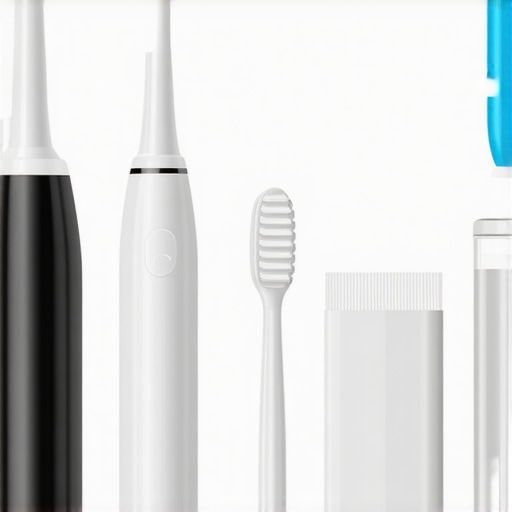
Maintaining optimal oral health requires more than just daily brushing and flossing; it involves leveraging the right tools and techniques that adapt over time. Personally, I rely on cutting-edge equipment and software to keep my smile in top shape. One of my go-to tools is the Oral-B iO Series electric toothbrush. Its oscillating-rotating motion combined with real-time feedback helps me ensure every area receives thorough cleaning. The integrated app tracks my brushing habits, providing personalized tips to improve my technique. I also incorporate professional-grade ultrasonic scalers during my routine cleanings at home, which break down tartar and biofilm more effectively than manual tools.
For long-term results, I rely on high-quality fluoride gels and mineral pastes. I apply mineral-rich pastes that reinforce enamel and prevent sensitivity, especially after dietary lapses. Technology-wise, I use saliva analysis kits to assess my oral microbiome periodically, helping me tailor my diet and hygiene habits. Scientific studies suggest that maintaining a balanced microbiome is crucial for preventing decay and gum disease (source).
Looking ahead, innovations like AI-guided dentist apps and smart dental appliances will become standard in family dentistry, making personalized care accessible from home. I anticipate that in 2026 and beyond, integrated systems capable of real-time diagnostics and adjustments will revolutionize how we approach long-term oral health management.
How do I keep my dental care tools effective over time?
Regular maintenance of your tools is vital. Clean your electric toothbrush heads weekly with hot water and replace them every three months to prevent bacterial buildup. For software, ensure your health apps routinely update for optimal performance. It’s also essential to schedule periodic professional evaluations, as formal cleanings combined with advanced diagnostics like bio-glass bonding can address issues before they become painful or costly.
Don’t forget, consistency is key. Use your tools daily, follow your dentist’s advice, and stay informed about emerging technologies. For example, trying out a nano-pulse cleaning device might seem advanced, but initial results show it can outperform traditional methods in removing stubborn biofilm (source). Incorporate such tools into your routine and witness the difference over months and years.
In the end, adopting a proactive attitude with proper tools, including smart devices and professional products, ensures your smile remains healthy and beautiful. Take the initiative now—try integrating a bio-active gel or scheduling a microbiome assessment to set your foundation for decades of oral wellness.
Lessons That Changed How I Approach Dental Care
- Realizing that my irregular sleep was more than just fatigue was a breakthrough—it’s become clear that our nightly rest profoundly impacts oral health. This insight pushed me to pay closer attention to sleep patterns, leading to proactive steps that prevented cavities before they could form.
- My misconception that vigorous brushing alone was enough turned out to be a myth. Gentle, consistent cleaning paired with advanced tools made a tangible difference, showing me that quality and technique trump sheer force.
- Trusting cutting-edge technology, like saliva analysis and bio-mineral pastes, transformed my routine from reactive to preventative. These tools provided personalized insights that conventional methods simply can’t match, emphasizing the importance of embracing innovation.
- Early on, I underestimated diet’s role in oral health. Incorporating calcium-rich foods and avoiding nighttime sugary snacks ultimately fortified my teeth, proving that small dietary adjustments can yield huge benefits over time.
- Discovering the connection between sleep disruptions and increased inflammation shifted my perspective—good sleep isn’t just about feeling rested; it’s a vital component in maintaining healthy teeth and gums. Monitoring sleep with smart devices became an instrumental part of my oral health strategy.
Tools and Resources I Rely On for Better Oral Health
- Oral-B iO Series Electric Toothbrush — Its real-time feedback and guided timers ensure thorough cleaning, helping me maintain optimal hygiene daily.
- Saliva Testing Kits — Regularly assessing my oral microbiome has empowered me to personalize my diet and hygiene routines based on scientific insights.
- Bio-Active Gels and Mineral Pastes — These innovative products reinforce enamel and reduce sensitivity, serving as a frontline defense against decay.
- Family dentistry tips have guided my routines to become more effective and sustainable, especially when managing multiple family members’ dental health.
Your Next Step Toward a Healthier Smile
Embracing the idea that sleep data can predict and prevent tooth decay opens up exciting possibilities for holistic health. The future of dentistry isn’t just about reactive treatments—it’s about proactive, technology-driven prevention. So, why not start today? Track your sleep, reassess your routine, and consider integrating smart tools to stay ahead of dental issues. Your brighter, healthier smile is worth the effort—take action now and see the difference it makes.
Have you ever noticed a connection between your sleep quality and your dental health? Share your experiences below—I’d love to hear your story!
This was such an eye-opening read! I’ve recently started paying closer attention to my sleep patterns after noticing that I often wake up with a dry mouth and slight tooth sensitivity, especially after stressful weeks. It made me wonder about the connection between sleep quality and oral health—something I hadn’t fully considered before. Your insights about how sleep deprivation can impair immune function and lead to increased susceptibility to cavities make a lot of sense. I’ve also been debating whether to invest in a more advanced sleep tracking device; do you think these gadgets are reliable enough for early warning signs of oral issues? I’m curious to hear if others have experienced a noticeable shift in their dental health after improving sleep habits, or if anyone has tried integrating sleep data into their dental routines yet.