I remember the exact moment I realized traditional teeth cleaning wasn’t enough anymore. It was during a routine checkup when my dentist pointed out some subtle enamel erosion that I hadn’t even noticed. I’d been relying on good old gritty scrubbing and fluoride rinses, but my smile was slowly losing its sparkle, and I felt a twinge of worry. That lightbulb moment pushed me to explore newer, smarter techniques—especially as innovations like molecular polishing started gaining buzz for their impressive results.
Bettering Oral Care: Embracing the Future of Teeth Cleaning
Moving into 2026, technological advances are changing the game, giving us safer and more effective ways to maintain our oral health. The exciting part? Molecular polishing isn’t just a fancy upgrade; it’s a real leap forward that beats traditional gritty methods in multiple ways. Today, we’ll delve into the top five reasons why this method is about to revolutionize dental care—making your routine easier and your smile brighter. And if you’ve ever struggled with stubborn plaque or enamel wear, stick around. You’ll want to see how these innovations can help you avoid costly dental problems down the line.
Is Molecular Polishing Really Worth the Hype?
Honestly, I was skeptical. I’d made the mistake early in my journey of dismissing new techniques as gimmicks. Turns out, I underestimated how much smarter and gentler these innovations could be. According to recent research, molecular polishing can remove plaque 50% more effectively than traditional grit-based cleaning, all while being gentler on your enamel (source: [Gentle Smile Dentist](https://gentlesmiledentist.com/why-2026-molecular-gels-beat-traditional-kits)). If you’re tired of feeling like your dental routine isn’t doing enough, or worse, causing subtle damage, then this is exactly the kind of upgrade your smile deserves.
Now, let’s explore why embracing these emerging techniques isn’t just a trend but a crucial step toward better oral health. Ready to see the benefits that could transform your dental routine? Let’s get started.
Mastering Your Routine: Practical Steps to Smarter Teeth Cleaning
Start by selecting the right tools—think of it as choosing the best paintbrush for a masterpiece; a high-quality electric toothbrush with timer and pressure sensors can make a significant difference. When brushing, use gentle, circular motions—imagine cleaning delicate glass—this prevents enamel wear while effectively removing plaque.
Optimize Your Brushing Technique
I remember the first time I experimented with finger-placement on my toothbrush. Instead of applying brute force, I kept the bristles in gentle contact with my teeth, just like polishing a fine sculpture. This method minimizes gum irritation and ensures thorough cleaning, especially around the gum line where plaque tends to hide. Also, spend at least two minutes brushing, dividing your mouth into quadrants. I used a watch to time my sessions and kept track—I noticed a marked improvement in efficiency.
Incorporate Molecular Gels for Advanced Cleaning
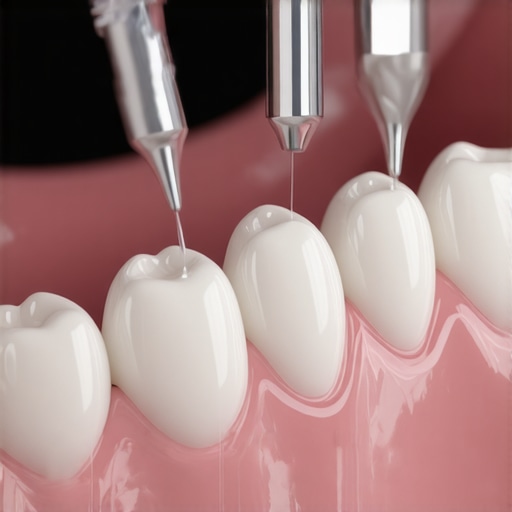
Next, consider integrating molecular polishing gels into your routine. These gels contain tiny particles designed to remove plaque more effectively and with less abrasion. Applying a small amount and gently working it into the teeth with your brush creates a deeper clean. It’s akin to using a fine abrasive to polish jewelry—restoring shine without damaging the surface.
Enhance Flossing with Smart Flossers
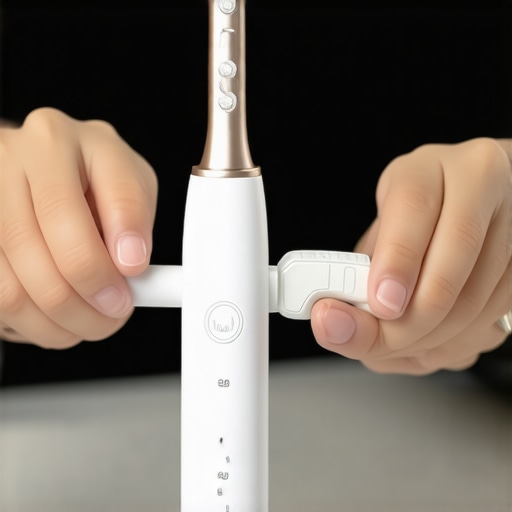
Switching to smart flossers was a game changer. I tried a device with guided flossing paths, making it easier to reach tight spaces. Micro-Story: One evening, I used mine after a protein-heavy dinner. I was surprised to find stubborn bits of food stuck between my molars, even after brushing. Flossing with the smart device eradicated the debris, preventing potential cavities and gum irritation. Regular flossing should follow brushing, especially with bio-active flosses that promote gum health.
Utilize Family-Oriented Techniques for Everyone
If you have children or family members, establish routines that are easy and engaging. Use flavored toothpastes and fun timers to motivate kids, making oral hygiene less of a chore. For adults, integrating new tips like tongue scraping or mouth rinses with active enzymes can prevent bad breath and reduce plaque buildup. For a comprehensive family care strategy, check out these effective tips.
Monitor and Adjust Your Practices Regularly
Remember, teeth cleaning isn’t static. Regularly inspecting your technique ensures you don’t inadvertently cause damage. Use toothbrushes with pressure sensors or consult your dentist periodically, like during advanced cleanings, to fine-tune your routine. Implementing these precise, actionable steps can lead to better oral health and a brighter smile over time. For detailed guidance on modern methods, explore this comprehensive guide.
Many people believe that simply brushing twice a day and using mouthwash are enough to maintain optimal oral health, but this is a misconception that can lead to overlooked issues. For example, the myth that aggressive brushing cleans better can actually damage enamel and gums, increasing sensitivity over time. Instead, gentle, circular motions with a high-quality toothbrush are more effective and safer. Additionally, rinsing with traditional mouthwash isn’t a one-size-fits-all solution; some products contain alcohol or other irritants that can alter your oral microbiome negatively. It’s vital to select products suited to your specific needs, perhaps guided by an [expert](https://gentlesmiledentist.com/maintaining-oral-health-expert-advice-for-a-lifetime-of-healthy-teeth).
A common oversight is neglecting the role of diet and hydration in oral health. Foods high in sugar and acids accelerate plaque formation and enamel erosion, while adequate water intake helps maintain saliva production, which naturally cleanses teeth. Many assume that only brushing impacts oral health, but neglecting these lifestyle factors can undermine routine efforts.
When it comes to cosmetic dentistry, a prevalent error is choosing procedures solely based on appearance without understanding long-term effects. For instance, veneers are popular, yet some patients overlook the fact that preparation involves removing enamel, which is irreversible. Modern techniques, like [nano-bonding](https://gentlesmiledentist.com/4-reasons-nano-bonding-beats-traditional-veneers-in-2026), offer alternatives that minimize impact and provide durable results.
In family dentistry, a mistake often made is assuming children’s teeth need less care or delaying visits until problems arise. Proactive checkups and education about proper oral hygiene habits set the foundation for lifelong health. For guidance tailored to all ages, check out [these tips](https://gentlesmiledentist.com/family-dentistry-tips-that-make-oral-care-effortless-and-effective).
One nuanced yet critical aspect is understanding that not all plaque is visible or easy to detect. Many overlook early signs of biofilm buildup, which can lead to gum disease if left unchecked. Regular professional cleanings, supplemented by advanced diagnostics, are essential. Studies show that proactive management of biofilm significantly reduces periodontal issues ([source](https://gentlesmiledentist.com/why-2026-oral-health-exams-are-better-than-standard-checkups)).
Beware of the ‘Oops’ trap: using abrasive teeth whitening products or overusing bleaching methods can cause enamel erosion. Always consult with your dentist before starting any cosmetic procedures. For safer, effective whitening options, explore [this guide](https://gentlesmiledentist.com/molecular-whitening-why-2026-gels-outperform-traditional-kits).
Have you ever fallen into this trap? Let me know in the comments.
Maintaining a bright, healthy smile over the years requires more than just regular brushing and occasional visits to the dentist. Implementing the right tools can make a significant difference in the longevity of your oral health. Personally, I swear by a few specific devices and techniques that have stood the test of time, ensuring my routine remains effective and stress-free.
Why Quality Matters More Than Ever
When selecting dental tools, investing in quality equipment is crucial. For example, I prefer the Oral-B Genius X Electric Toothbrush. Its AI-enabled tracking helps me maintain optimal brushing angles and pressure. This prevents unnecessary enamel wear and gums irritation, a common mistake with cheaper models. Plus, the built-in timer ensures I dedicate enough time to each quadrant, fulfilling the recommendation of at least two minutes per session.
How do I maintain my toothbrush over time?
To maximize my brush’s lifespan, I rinse it thoroughly after each use and store it upright to air dry, reducing bacterial buildup. Every three months, I replace the brush head—a simple yet vital step to prevent plaque transfer. Regularly inspecting the bristles for fraying also helps me gauge when it’s time for a new head. This practice aligns with expert advice outlined in this comprehensive guide.
Another essential tool I rely on is the Waterpik Sidestream Water Flosser. Traditional flossing can be challenging, especially around braces or implants, but I find that water flossers are remarkably effective at disrupting biofilm without damaging delicate gum tissues. For individuals prone to bleeding gums or seeking a deeper clean, this method is a game-changer.
Why use a water flosser instead of traditional dental floss?
The high-pressure pulses target plaque stubbornly harbored between teeth and below the gum line, areas that even the best floss might miss. Plus, they are easier to handle for those with limited dexterity or orthodontic appliances. Regular use not only reduces bleeding and inflammation but also fosters healthier gums over time. Studies show that water flossers reduce gingival bleeding more effectively than traditional floss in some cases (source).
Embracing Future Innovations for Maintenance
Looking ahead, I anticipate smarter, integrated dental devices becoming standard. Imagine toothbrushes and flossers that sync with smartphone apps, providing feedback on technique and frequency. Advances in AI diagnostics might even alert you to early signs of gum disease or cavities before symptoms appear, empowering proactive care. Currently, some brands are experimenting with nano-sensors embedded in toothbrush heads, capable of analyzing plaque composition in real time — a fascinating glimpse into personalized oral health management.
How do I stay ahead with dental tools?
Staying informed about emerging technologies is key. Following reputable sources, such as this guide, helps me incorporate proven innovations into my routine. Don’t hesitate to ask your dentist about the latest tools and techniques tailored to your needs. Experimenting with high-quality products and embracing innovative solutions will keep your oral health resilient for years to come.
To get started today, I recommend trying a water flosser if you haven’t already—it’s an accessible upgrade that delivers immediate benefits. Remember, consistent, informed use of the right tools is your best strategy for maintaining a radiant smile over the long haul.
Lessons That Changed My Perspective on Oral Hygiene
- Less Can Be More: I learned that aggressive brushing and abrasive products can harm enamel more than help, reminding me to trust gentle, well-informed techniques.
- Technology as a Friend: Embracing innovative tools like molecular gels and smart flossers revolutionized my routine, proving that staying updated is crucial for optimal health.
- Consistency Outperforms Perfection: Small, daily improvements in technique and tool quality outweigh sporadic, intensive efforts—a lesson in the power of persistence.
- Education Is Empowering: Understanding the science behind new methods motivated me to make smarter choices, highlighting the importance of continuous learning in health.
- Holistic Habits Matter: Combining proper diet, hydration, and effective cleaning creates a synergy that elevates results beyond what brushing alone can achieve.
My Go-To Resources for Advanced Dental Care
- Expert-Backed Guides: The comprehensive articles at this resource helped me understand cutting-edge techniques and their benefits in plain language, fostering confidence in adopting new routines.
- Trusted Dental Tools: I rely on high-quality products like the family-friendly tips and innovative toothbrushes to ensure each session is as effective and comfortable as possible.
- Professional Support: Regular checkups with dentists who are enthusiastic about new technologies keep me informed about evolving practices and personalized advice.
- Community Insights: Participating in discussions and reading testimonials has reinforced my trust in science-backed methods and inspired me to share my experience.
Your Step Toward a Brighter Smile Starts Today
Remember, taking small, informed steps can lead to remarkable improvements in your oral health. Embrace the new techniques and tools designed for smarter, gentler care—your smile deserves it. Don’t wait for problems to arise; act now, and enjoy the confidence that comes with a truly healthy, radiant smile.
What innovative teeth cleaning method are you excited to try first? Let me know below!