Just a few months ago, I caught myself brushing my teeth in the mirror and thinking, “Is this really enough?” Despite faithfully visiting my dentist and sticking to my routine, I couldn’t shake the feeling that something was missing. It hit me—my teeth might look clean, but beneath the surface, tiny microbial armies were plotting a comeback. That realization was my lightbulb moment, leading me to discover the groundbreaking shift happening in dental care for 2026: DNA plaque analysis during regular teeth cleanings.
Unveiling the Hidden World of Oral Microbes
For years, I relied on traditional cleaning methods—scraping and polishing—thinking that if my teeth looked good, I was in the clear. But I learned that superficial cleanliness isn’t enough. Recent advances reveal that a detailed look at the DNA within plaque can identify specific bacteria responsible for cavities, gum disease, and even systemic health issues. This biometric approach offers a personalized map of what’s lurking in your mouth, enabling tailored treatments that actually work rather than just covering up problems.
Personally, integrating DNA plaque analysis into my routine was a game-changer. I realized that my previous visits were like sweeping the floor without checking for hidden dirt underneath the rug. Now, I know exactly which issues need attention, simplifying my journey toward a healthier smile.
What You Need to Know About DNA Plaque Testing
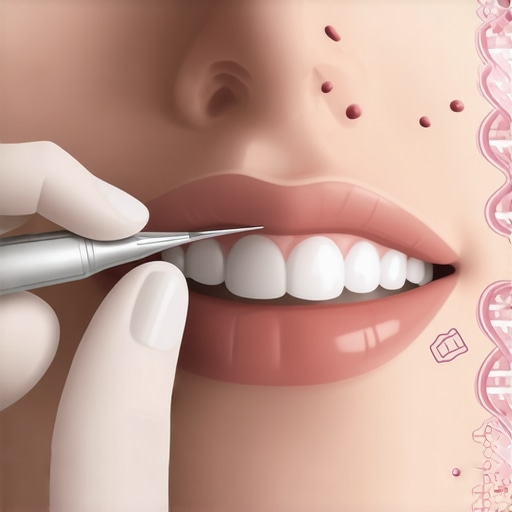
So, what does DNA testing in dental care actually involve? During your cleaning, a small sample of plaque is analyzed for its genetic makeup. This process pinpoints harmful bacteria and their resistance to certain treatments. As a result, your dentist can recommend specific cleaning strategies, dietary changes, or products that target your unique microbial profile, significantly improving outcomes.
Is This Cutting-Edge Approach Worth the Hype?
Before you dismiss this as just another dental fad, consider this—research indicates that personalized oral health care can significantly reduce the risk of advanced dental issues. According to a study published by the American Dental Association, early detection of pathogenic bacteria through DNA analysis leads to more effective prevention strategies and better overall health outcomes. As someone who’s made my share of mistakes—like ignoring early warning signs—I can assure you that staying ahead of potential problems is worth it.
If you’ve ever wondered whether your routine cleaning truly covers all bases, now might be the perfect time to explore this innovative technology. Next, I’ll share the common fears I had about adopting DNA plaque analysis—and how understanding these fears helped me embrace the future of dental care.
Prepare for Your Dental Appointment
Start by scheduling a visit with a dentist experienced in DNA plaque analysis. Before the appointment, avoid eating or drinking sugary beverages for at least an hour, as this can interfere with the sample collection. Wear comfortable clothing and arrive a few minutes early to discuss your oral health history, ensuring the dentist can tailor the testing process to your needs.
Understanding the Sample Collection Process
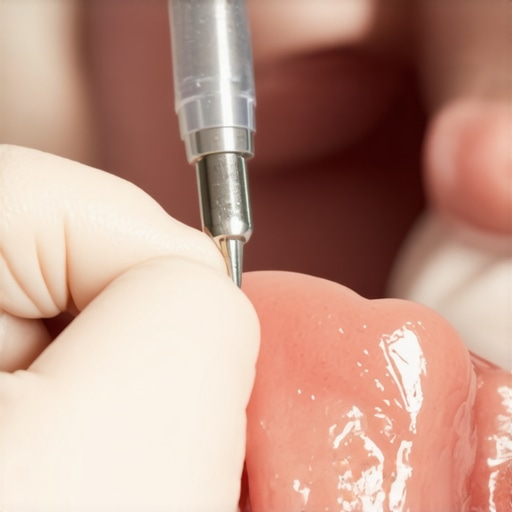
During the exam, the dentist will use a small, sterile tool to gently scrape plaque from your teeth—much like picking tiny dirt particles from a surface. I vividly remember one messy attempt where I hesitated, causing the sample to mix with saliva and making the analysis a bit more complicated. This step is quick but crucial; proper collection ensures accurate results. The sample is then preserved to prevent bacterial degradation before analysis.
Use a Gentle Technique
Apply light pressure to avoid damaging your gums or dislodging too much plaque. This precision is essential because a contaminated or insufficient sample can lead to inconclusive results. If you’re anxious, communicate this; your hygienist can guide you to relax and ensure the collection is smooth and effective.
Analyzing the DNA Data
Once in the lab, the plaque undergoes DNA sequencing—think of it like decrypting a hidden code to reveal the bacterial inhabitants. The lab technician uses advanced machines, such as polymerase chain reaction (PCR) systems, to identify harmful bacteria and assess their resistance to treatments. This process is akin to scanning an invasion force and mapping their positions before counterattacks begin.
Interpreting Results with Your Dentist
The findings are then shared with your dentist, who translates the genetic data into actionable steps. Based on this, they might recommend targeted antimicrobial treatments, specific oral hygiene products, or dietary modifications. For example, if the analysis detects bacteria resistant to standard mouthwash, your dentist might suggest a different formulation or additional therapies. This tailored approach dramatically improves your chances of preventing cavities and gum disease before symptoms appear.
Implementing Personalized Oral Care
Armed with genetic insights, you can adopt a customized routine—like switching to a probiotic rinse if your flora is out of balance or focusing on flossing areas where harmful bacteria thrive. I once used this knowledge to change my flossing technique, targeting spots that tested positive for specific bacteria, which led to noticeably healthier gums over a few months. Regular follow-ups enable monitoring your microbial shifts, making adjustments as your oral ecosystem evolves.
Track Progress and Adjust
Schedule periodic DNA plaque analyses—every six months initially—to gauge the effectiveness of your tailored strategies. This process ensures you’re actively managing your oral health, transforming routine dental visits from reactive to preventive care. Plus, staying informed about your microbial profile empowers you to make informed choices, aligning with emerging innovations in family dentistry, which focus on building long-lasting, healthy smiles for all ages. For broader insights, explore family dentistry tips.
 Many individuals believe that brushing twice daily and annual dental visits are enough to maintain optimal oral health, but this oversimplification hides crucial nuances. Contrary to popular belief, aggressive brushing with hard-bristled brushes can damage enamel and gums, leading to sensitivity and recession. Studies published in the Journal of Dental Research highlight that overbrushing increases risk, yet many still ignore this common mistake. Instead, focusing on gentle, correct techniques combined with personalized assessments offers better long-term results. Moreover, the myth that whitening products are universally safe neglects the reality that some formulations damage enamel or cause sensitivity, especially when misused. Advanced cosmetic dentistry techniques, such as laser whitening, are safer and more effective, but often overlooked.
A frequent trap is assuming that traditional flossing suffices. New research shows that the standard string floss can miss plaque in tight spaces, which can harbor bacteria leading to cavities and gum disease. Innovative tools like tongue scrapers and water flossers have demonstrated superior plaque removal, yet many overlook these options. Understanding the importance of biofilm management is essential—think of plaque as a living ecosystem that requires more than just brushing to control.
What does expert-level oral health management actually involve beyond everyday routines?
It involves understanding the role of oral microbiome diversity. Recent studies emphasize that a balanced oral flora prevents pathogenic bacteria from dominating, reducing issues like bad breath, cavities, and even systemic health risks. Incorporating probiotic mouthwashes or foods that promote beneficial bacteria can be game-changing, a detail many skip. This nuance underpins the emerging concept of holistic family dentistry, emphasizing long-term health over reactive treatments. For in-depth strategies, exploring resources on family dental care tips can provide tailored approaches.
Highlighting the importance of regular updates on new technology, such as bioactive dental materials, can further optimize your routine. Many people underestimate how advancements like nanorobotics or bio-mineral pastes can radically improve outcomes. Awareness of these innovations, detailed in cosmetic dentistry innovations, ensures you aren’t left behind. Recognize that every aspect—from gentle cleaning techniques to microbiome management—contributes to a comprehensive, advanced approach to oral health.
Don’t fall into the trap of believing that minimal effort guarantees optimal health. True excellence in dental care demands a nuanced understanding of each component and staying abreast of emerging science. Have you ever fallen into this trap? Let me know in the comments.Maintaining optimal oral health requires more than just routine visits; it depends heavily on the tools you use daily. I personally rely on a combination of high-tech devices and proven methods to ensure my teeth stay healthy and radiant over the long haul. One game-changer has been investing in a good electric toothbrush equipped with AI-guided cleaning modes. These brushes analyze your brushing habits in real-time and provide feedback, ensuring you target plaque build-up effectively without damaging enamel. Brands like Sonicare and Oral-B have incorporated such features, but I favor the latest models that sync with smartphone apps for personalized tutorials and progress tracking, which I review on my blog to help readers select the best one for their needs.
Why I Switched to Sonic Technology
I transitioned to sonic toothbrushes because of their superior plaque-removing capabilities. Unlike traditional brushes, sonic models vibrate at frequencies that break up biofilm more efficiently, reducing the need for excessive force that can harm gums. In addition, their use of specialized brush heads with softer bristles minimizes abrasion, a common mistake even experienced users make. For maintaining long-term results, I recommend pairing your sonic brush with high-fluoride toothpaste and using it twice daily for two minutes per session, aligning with guidance from dental professionals. For comprehensive oral care, I also incorporate interdental cleaning tools such as water flossers and interdental brushes, which I believe are essential for reaching areas that floss might miss.
Top Picks for Professional-Grade Instruments
In my arsenal, I keep a set of sterilized, high-precision ultrasonic scalers. I use these not just for professional cleanings but also as part of my weekly maintenance routine at home to disrupt tartar formation. These devices emit ultrasonic waves that loosen plaque and calculus without harsh scraping. Additionally, I use laser-guided mirror systems that enhance visibility—crucial for detecting early signs of decay or gum issues—especially in hard-to-see areas like the back molars. Investing in quality mirrors with LED illumination helps me perform quick inspections, catching problems before they become serious. Regular use of these tools works hand-in-hand with professional cleanings, such as those described in the article on [the importance of biofilm checks](https://gentlesmiledentist.com/why-2026-teeth-cleaning-routine-needs-a-biofilm-check). By integrating these devices into my routine, I significantly reduce the risk of cavities and gum disease, ensuring my smile remains healthy long-term.
Predicting Future Trends in Dental Maintenance Tools
Looking ahead, the evolution of smart, AI-driven dental devices promises to revolutionize long-term oral health. Machine learning algorithms will not only guide your brushing but also analyze patterns to predict potential issues before they manifest visibly. The advent of nano-bots capable of performing micro-cleaning or delivering targeted antimicrobial agents may become mainstream, reducing dependence on invasive procedures. Embracing these innovations now, such as upgrading to a smart toothbrush with integrated AI and connectivity, can set you on the path toward truly autonomous dental maintenance. I encourage readers to try advanced tools like AI-equipped electric brushes—they’re an investment in long-term wellness.
Three Lessons That Transformed My Approach to Dental Care
- Microbial Mysteries Matter: I once believed that scraping away plaque was enough, but discovering the complex DNA within it showed me that understanding my unique oral microbiome is the real key to lasting health. It’s a lightbulb moment when you realize that personalized DNA analysis can preempt problems before symptoms appear.
- Technology Can Be Friendly—and Powerful: My initial fears about new dental tech like AI-guided brushes and biofilm detection faded when I saw how these tools simplify routine care and provide tailored insights. Embracing innovation doesn’t mean losing control; it means gaining precision.
- Prevention Outperforms Reaction: Spending a little extra on advanced diagnostics and customized routines has saved me from costly procedures down the line. The proactive approach to dental health, guided by cutting-edge research, is truly a game-changer.
Tools That Elevated My Smile Game
- Cosmetic dentistry innovations: These provide both beauty and function, ensuring my smile isn’t just bright but healthy.
- Family dentistry tips: Learning techniques suitable for all ages helped me foster lifelong habits and kept everyone’s teeth in top shape.
- Expert advice for a lifetime of health: Trusted guidance that empowers me to stay ahead of potential issues with minimal stress.
- Teeth cleaning techniques: Mastering these methods ensures I maximize each visit’s benefits, preserving my investment in oral health.
Embrace Your Oral Future Today
Taking control of your dental journey with innovative tools and personalized insights is more accessible than ever. Whether you’re considering DNA plaque analysis or exploring new cleaning techniques, remember that your smile is an investment—one that pays off in confidence, health, and quality of life. Don’t wait for problems to arise; start your smart, proactive routine now and watch your smile flourish for years to come.
What steps are you most excited to try on your path to better oral health? Share your thoughts below!