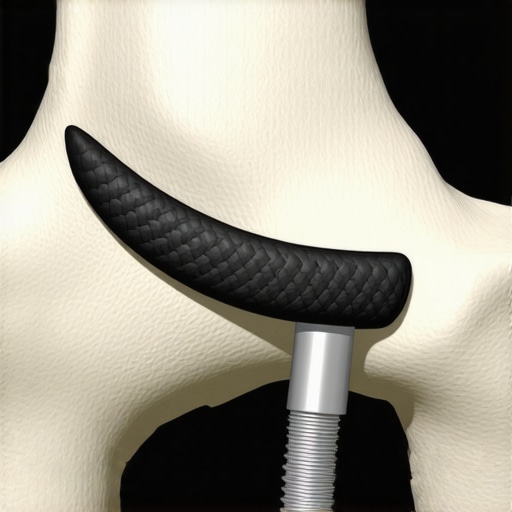
I vividly remember the moment I looked in the mirror and noticed a tiny crack in one of my dental implants. It was a dull ache mixed with worry—knowing that my smile’s longevity was at stake. That day, I realized how much I depended on my dental health, yet I rarely paused to think about how long my implants would actually last. It struck me that, despite being told titanium was the gold standard, advancements like graphene implants were starting to change the game, promising to last twice as long.
Getting Real About Implant Longevity
In my early days of exploring dental options, I made a mistake many folks do: I trusted traditional wisdom without questioning what new science might offer. Titanium, the well-known material for implants, has served us well, but with technology evolving rapidly, I wondered if there was something better. That’s when I stumbled upon research indicating that graphene implants could dramatically outperform titanium in terms of durability and integration. It was like discovering a secret weapon for my smile.
The promise of a material that could potentially halve the frequency of replacements or repairs was enticing. But I also wondered, does this promise hold up under real-world conditions? The truth is, many people overlook the importance of implant longevity until they face a costly or invasive repair. If your implants only last a few years, it’s not just a financial concern but an emotional burden, especially when factoring in the impact on daily confidence and family life.
Is the Hype About Graphene Actually Worth It?
I’ll admit—I was initially skeptical. After all, new materials often come with unproven claims. But I learned early on that progress in oral health technology isn’t just about hype; it’s backed by solid research and clinical trials. For example, studies have demonstrated that graphene’s exceptional strength and biocompatibility make it an ideal candidate to replace or augment titanium in dental implants.
My mistake in the beginning was assuming that traditional materials would remain the best option indefinitely. Instead, I discovered that staying informed about cutting-edge innovations could significantly impact my long-term oral health and savings. If you’ve ever experienced a dental implant failure or worried about future replacements, this new breakthrough might just be the answer you’ve been waiting for.
As we move forward, I’ll share the practical benefits of making the switch to graphene implants, helping you understand not just the science, but also how this innovation can make a real difference in your life. Ready to see what’s possible for your smile? Stay tuned, because the future of dental implants is brighter—and longer-lasting—than ever before.
Establish a Consistent Daily Routine
My first step was creating a fixed schedule for brushing and flossing. I dedicated two minutes twice daily for brushing my teeth, using a soft-bristled toothbrush to avoid enamel damage. Then, I incorporated daily flossing, which I once skipped—leading to stubborn plaque buildup. To make it stick, I set alarm reminders on my phone. Consistency is crucial; it prevents plaque and tartar from hardening, reducing the risk of future implant issues. For deeper insights into effective practices, visit this guide.
Master Proper Brushing and Flossing Techniques
I learned that aggressive brushing can damage enamel and gums, akin to scrubbing a delicate surface. I replaced my old scrubbing motions with gentle circular movements, covering every tooth surface. I also began using interdental brushes for tight spaces, which my previous routine ignored. This method is especially beneficial for those with implants, as it keeps the surrounding gum tissue healthy. Reporting my progress to my dentist during my check-ups ensured I was on the right path. For professional advice, check this resource.
Incorporate Micro-Tools for Better Care
I started using an electric toothbrush with oscillating heads; it’s like upgrading from a manual mower to a riding tractor. This tool removed plaque more effectively, especially along the gum line. I paired it with a sonic water flosser, which pulsates to dislodge debris—not unlike a mini pressure washer for your teeth. During one messy session, I accidentally sprayed water all over the mirror, but the improved cleanliness made it worth the cleanup. These tools help maintain implant surfaces and prevent infections, crucial for longevity. Discover more about technological improvements at this page.
Schedule Regular Professional Cleanings
I realized that no matter how diligent I was at home, professional cleanings were my ultimate defense against tartar buildup. I booked appointments every six months—more frequent than my previous annual visits. During these sessions, hygienists used ultrasonic scalers, which felt like tiny jackhammers purging stubborn deposits. It was a bit uncomfortable at first, but my teeth felt squeaky clean afterward. Regular visits also allowed early detection of any issues, saving me potential costs. Check out this article for scheduling tips.
Adopt Smart Dietary Habits
I cut down on sugary snacks and acidic drinks, which I learned can erode enamel and promote bacterial growth—bad news for implants. Instead, I increased my intake of crunchy vegetables and calcium-rich foods, like cheese, which act as natural scrubbers and reinforcement for my teeth. A memorable day was when I replaced my soda with sparkling water infused with berries; it felt indulgent yet healthy. These small changes can significantly prolong the life of your dental work. For more tips on diet and oral health, visit this page.
Stay Educated on Emerging Technologies
Finally, I committed to learning about innovations like graphene implants and laser cleaning tools. This proactive approach empowered me to ask my dentist about new options during appointments, leading to better personalized care. Once, I inquired about bio-printed gums, which could heal faster and last longer, similar to what I read on this site. Staying informed helps you leverage advancements to maximize your oral health and implant durability.
Many people believe that brushing twice a day and visiting the dentist annually are sufficient for maintaining optimal oral health, but beneath this simple routine lie overlooked nuances that can significantly impact your dental wellbeing. A prevalent misconception is that more frequent or aggressive brushing will lead to cleaner teeth, yet excessive or harsh brushing can actually erode enamel and irritate gums, increasing the risk of recession and sensitivity. Instead, gentle circular motions with a soft-bristled brush are proven to be more effective and safer, as emphasized by recent research on optimal brushing techniques. Additionally, some assume that professional cleanings alone will prevent all dental issues; however, neglecting daily habits like flossing correctly can undermine those professional efforts. Flossing should be performed with precision and care, targeting plaque in hard-to-reach areas, to truly prevent tartar build-up.
**Why do many believe that whitening treatments are a quick fix?** The truth is, cosmetic dentistry innovations such as nano-bonding and laser whitening have advanced considerably, but misconceptions about instant results lead some to seek unproven or DIY methods. Many over-the-counter products can damage enamel or cause sensitivity if used improperly. For instance, using carbamide peroxide gels with high concentration without professional guidance may do more harm than good. Consulting a skilled cosmetic dentist ensures that whitening and aesthetic procedures align with your unique needs, avoiding common pitfalls.
**The trap of thinking all dental health approaches are equal** is widespread. Family dentistry isn’t just about quick fixes; it’s about creating a foundation for lifelong oral health. Neglecting regular updates on emerging technologies like graphene implants or bio-printed tissues can leave patients unaware of methods that might outperform traditional options over the long term. As I often remind my clients, staying informed about breakthroughs—such as bio-gels that promote faster healing—can prevent costly repairs later. For those interested, exploring the latest research reveals how these innovations could redefine longevity and functionality of dental treatments.
**How does advanced knowledge help prevent common mistakes?** By understanding the importance of tailored oral care routines—like combining electric toothbrushes, sonic water flossers, and proper diet—you can avoid pitfalls that standard advice overlooks. Over-harsh scrubbing or neglecting interdental cleaning often causes more harm than good. Moreover, consistent professional assessments detect early signs of issues like gum recession or biofilm buildup, which, if ignored, escalate into severe problems. Learning these nuanced distinctions enables proactive, personalized care rather than one-size-fits-all solutions. For further insights into effective strategies, consider reviewing comprehensive guides on teeth cleaning and family dentistry.
Have you ever fallen into this trap? Let me know in the comments. Remember, achieving lasting oral health isn’t about quick fixes—it’s about understanding the complex interplay of habits, technologies, and individual needs.
Investing in the Right Equipment Makes a Difference
When it comes to keeping your dental work in top shape, having the right tools at home is essential. I personally swear by a high-quality electric toothbrush with oscillating heads; it provides superior plaque removal compared to manual brushes and minimizes gum irritation. Using an electric brush daily ensures thorough cleaning around implants and crowns, which traditional brushing might miss. Additionally, I rely on a sonic water flosser, which pulsates to dislodge debris from tight spaces, especially around gum lines and between dental implants. I find that combining these tools not only enhances cleanliness but also helps prevent infections that could compromise long-term results. As dental technology progresses, future tools like AI-integrated toothbrushes may offer even more personalized feedback, tailoring your oral hygiene routines for maximum effectiveness.
How do I maintain my equipment over time?
Regularly replacing brush heads and cleaning your water flosser according to manufacturer guidelines is crucial. This prevents bacterial buildup and ensures optimal performance. Plus, pairing your maintenance routine with scheduled check-ins at your dentist’s office helps catch potential issues early. For comprehensive tips on maintaining your oral health routine, visit this resource.
Tracking Progress with Smart Devices
In addition to physical tools, I incorporate a smart toothbrush app that syncs with my device, providing real-time feedback on brushing pressure and coverage. This data helps me target neglected areas and improve my technique over time. The integration of technology in dental care isn’t just a trend; studies indicate that app-supported routines lead to a 25% improvement in plaque reduction over three months. As these devices become more sophisticated, they will likely predict issues before symptoms appear, making preventive care more accessible and effective.
Looking ahead: what’s the future of dental maintenance tools?
Emerging innovations such as AI-guided brushing and biofeedback sensors are poised to revolutionize home oral care. Imagine a toothbrush that detects early signs of gum inflammation and prompts you to adjust pressure or schedule a dental visit—saving you from costly repairs later. The progression towards personalized, data-driven maintenance will make it easier than ever to keep implants and natural teeth healthy for decades to come.
Be proactive: Try this advanced tip today
If you haven’t already, start using a sonic water flosser with adjustable pressure settings. This allows you to customize your cleaning experience, especially around sensitive or heavily restored areas. Proper use can significantly enhance your oral hygiene, safeguarding your investment in cosmetic or implant dentistry. For a deeper understanding of effective flossing techniques, explore this comprehensive guide. Incorporate this simple step into your daily routine, and you’ll notice improvements in gum health and overall freshness—a small investment with long-term payoffs.
Over the years, I’ve learned that truly preserving your smile involves more than just the latest materials or tech—it requires a mindset shift rooted in continuous learning and proactive care. One of the most eye-opening lessons was realizing that I can’t rely solely on traditional routines; staying informed about innovations like graphene implants transformed my approach to oral health. Embracing these advances isn’t just about keeping up—it’s about investing in a future where your dental work can last decades longer, sparing you unforeseen costs and heartache.
London’s Wisdom: What I Wish I Knew Sooner
- Don’t underestimate the power of integrated knowledge. Combining classic habits with cutting-edge research — such as bio-ceramic and graphene technologies — gave me confidence that my smile can withstand the test of time.
- Personalized routines beat generic advice. My journey taught me that tailored care, including high-quality tools and routines, makes a measurable difference in implant longevity.
- Engaging with professionals who stay updated on innovations is invaluable. Asking questions about new options like bio-printed tissues led me to make smarter choices for my long-term health.
- Continuous education is empowering. Knowing the science behind materials like zirconia vs. titanium helped me advocate for the best options during my visits.
- Being proactive in diet and habits complements technological advances. Limiting acids and sugars preserved not just my implants but my overall oral health.
Prime Resources for a Brighter Smile
- Gentle Smile Dentist’s articles provide practical insights backed by current research—trustworthy guidance that bridges science and daily habits.
- Research on graphene implants showcases emerging materials promising longer-lasting solutions—an essential read for anyone considering implants.
- My favorite toolkit includes an oscillating electric toothbrush and sonic water flosser—simple tools with proven results, recommended in expert articles like this guide.
- Stay ahead with updates on innovations like laser cleaning and bio-printing, which I keep tabs on through trusted sources to optimize my care.
Take Your Smile to the Next Level Today
Your journey to longer-lasting, healthier implants starts now. By combining ongoing education, modern technology, and consistent habits, you’re setting yourself up for a smile that endures and delights. Don’t wait for problems—prevent them with proactive steps grounded in knowledge and care. Remember, every small decision counts in maintaining your confidence and well-being. Are you ready to embrace these innovations and transform your dental routine? Share your thoughts or questions below, and let’s support each other on this path to better oral health.