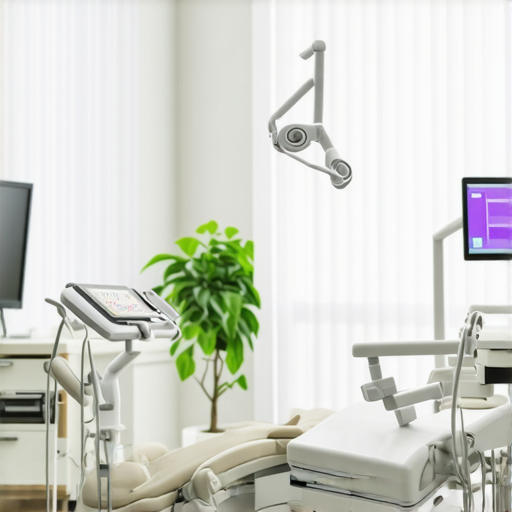

It was a morning like any other, but as I looked into the mirror after brushing my teeth, I suddenly felt a wave of frustration. My smile didn’t feel bright, and I knew I was paying more for dental visits than I should be. That lightbulb moment hit me hard—there had to be smarter ways to care for my family’s teeth without draining our budget.
Why Family Dentistry Upgrades Matter More Than Ever in 2026
In recent years, dental technology and techniques have evolved rapidly. Keeping up with these changes can seem overwhelming, but I’ve learned that embracing a few smart upgrades can make a real difference—not just in oral health, but in your wallet too. With the rising costs of dental care, especially for families, it’s more important than ever to invest in preventive measures that save money in the long run. Did you know that routine teeth cleanings and simple upgrades can prevent costly procedures later? According to the American Dental Association, preventive care dramatically reduces the incidence of major dental issues, saving you hundreds or even thousands of dollars annually.
If you’re like I was, skeptical about whether new dental upgrades are truly worth the hype, you’re not alone. I recall early on making the mistake of dismissing certain procedures as unnecessary overkill—until I realized how much they actually saved me over time. For instance, skipping regular checkups and relying solely on DIY methods led me to more serious problems that cost a lot more to fix. So, let’s talk about practical, proven upgrades that can help your family maintain healthy smiles and keep expenses in check.
Is Your Family’s Dental Routine Really Saving You Money or Costing More?
Streamline Your Daily Dental Routine
Start by replacing manual toothbrushes with electric models featuring oscillating-rotating technology; I personally switched last year and noticed immediate plaque reduction. Use a timer set for two minutes to ensure thorough brushing—think of it as giving each corner of your mouth a dedicated attention. Incorporate a fluoride-based toothpaste to strengthen enamel, much like reinforcing bricks in a wall. Flossing should not be an afterthought; invest in smart flossers that gently vibrate, making it easier to remove plaque without damaging gums. I remember one hectic morning when I used a water flosser instead of traditional floss, and it was less messy and more effective.
Upgrade to Advanced Cleaning Methods
Embrace Laser Teeth Cleaning
Laser dentistry has become a game-changer. Unlike traditional scraping, it’s precise and less invasive. I scheduled my first laser cleaning after reading that it cuts deep cleaning time in half and reduces discomfort. The laser targets plaque and tartar buildup at a microscopic level, akin to a high-precision laser cutting through metal—quick and clean. This method is particularly effective for patients with sensitive gums or those prone to bleeding. Check out how this technology is reshaping family dentistry here.
Invest in Cosmetic Enhancements
Apply nano-bonding to repair chips and minor cracks; it’s like adding a clear coat of armor that adheres flawlessly to tooth surfaces. I attempted a DIY whitening kit, but the gel caused sensitivity—so I consulted a professional for in-office whitening, which is safer and yields faster, more striking results. Using molecular whitening gels with advanced formulations outperforms over-the-counter options and minimizes enamel erosion here. For a truly confident look, consider veneers, but new innovations mean no more shaving down healthy enamel—see how that works here.
Schedule Regular Professional Checkups
Having biannual checkups with your family dentist is essential; think of these visits as routine vehicle maintenance—preventive and cost-saving. During my last appointment, my hygienist used an ultrasonic scaler combined with air polishing to remove plaque efficiently. This approach is less abrasive and is especially good for kids and sensitive teeth. Establishing a consistent schedule prevents issues before they become expensive treatments and keeps your family’s smiles healthy. Find out more about effective maintenance here.
Incorporate Smart Foods and Habits
Limit sugary snacks and drinks that act like citrus acids eating away at your enamel—imagine acid as a corrosive spray weakening your teeth’s protective layer. Instead, promote crunchy fruits and vegetables to naturally scrub teeth—it’s akin to using a natural toothbrush in your diet. Drinking plenty of water helps wash away food particles and maintains saliva flow, which is your mouth’s natural defense against decay. Avoid habits like grinding or clenching by considering night guards, which are molded to your teeth, providing a cushion of protection. Making these small dietary shifts can significantly reduce cavity risks and extend the life of dental work.
Harness Technology for Better Oral Health
Use smartphone apps or smart toothbrushes that track brushing patterns—think of it as having a personal coach guiding your oral hygiene routine. My son’s new toothbrush app prompts him to brush each quadrant thoroughly, turning a mundane task into a game. These tools help ensure nothing is overlooked and promote better habits over time. Incorporating tech-driven solutions simplifies maintaining a high standard of oral care for all ages in your family.
Many assume that simply brushing and visiting the dentist regularly guarantees optimal oral health, but let’s dig deeper into some common misconceptions and overlooked complexities. One major myth is that more aggressive brushing leads to cleaner teeth. In reality, overbrushing or using a hard-bristled brush can cause enamel erosion and gum recession, which paradoxically increases the risk of cavities and sensitivity. The key is proper technique and choosing the right tools; for instance, electric toothbrushes with pressure sensors can prevent this damage and are a smarter investment than just brushing harder.
Why Do Some Professional Cleanings Fail to Prevent Major Issues?
Many believe that dental visits alone keep their teeth healthy, yet ignoring daily habits and oral biofilm management can render regular cleanings less effective. Biofilm, the sticky bacteria layer responsible for plaque, needs consistent disruption through proper flossing and brushing techniques. Failing to do this leaves residual plaque that hardens into tartar, which professional tools might miss if oral home care is inadequate. Regularly updating your brushing and flossing routines with insights from dental experts can drastically improve outcomes. According to studies in the Journal of Dental Research, neglecting daily biofilm removal accelerates tartar formation and periodontal risk despite regular professional cleanings.
Furthermore, many people misunderstand cosmetic treatments. Applying whitening gels without professional guidance can damage enamel if used improperly, leading to increased sensitivity or uneven results. Advanced cosmetic procedures like nano-bonding or veneers are often thought of as quick fixes, but not all solutions are suitable for every individual, especially if underlying issues like enamel erosion or gum recession are ignored. Opting for less invasive, smarter enhancements based on thorough diagnostics often yields better, longer-lasting results. For example, recent innovations mean that veneers no longer require aggressive reshaping, preserving your natural tooth structure—see how this revolutionizes cosmetic dentistry here.
Another nuance involves family dentistry. It’s a misconception that children’s dental health is less critical because baby teeth are temporary. In fact, neglecting early care can set the stage for future problems like misalignment or decay. Proper early interventions and education can foster lifelong habits. Family dentistry isn’t just about treating issues but preventing them by instilling good routines and understanding developmental milestones. Building a strong foundation in oral health can reduce costly treatments later; learn more about this here.
Would you agree that most people overlook these subtle yet critical aspects of oral health? Have you ever fallen into this trap? Let me know in the comments and share your experiences. Remember, true dental mastery involves understanding these nuances and integrating them into your routine for long-term success.Maintaining a healthy smile over the years requires the right tools and deliberate routines. Personally, I rely on high-quality electric toothbrushes like the Oral-B Genius X because they provide consistent, gentle cleaning with built-in pressure sensors that prevent enamel erosion—a common mistake when brushing too hard. For flossing, I prefer smart flossers such as Quip, which vibrate to enhance plaque removal, making daily routines more effective and less tedious. Understanding how these tools work helps me stay diligent in my oral care habits, extending the longevity of my dental work and reducing costly visits.
An essential step in long-term dental health is professional cleanings using advanced methods. Laser teeth cleaning, for instance, has revolutionized how we approach preventive care. It targets plaque and tartar at a microscopic level, speeding up the process and minimizing discomfort, especially for sensitive gums. Plus, regular use of ultrasonic scalers during checkups ensures stubborn deposits are removed without damaging enamel, keeping teeth shining and healthy.
To streamline maintenance, I also incorporate technology—smart toothbrushes and brushing apps—that track my technique and duration. These real-time insights act as a coach, alerting me when I’m not brushing effectively. A 2026 study highlighted that families using app-enhanced toothbrushes reported better plaque control and fewer dental issues over time. This trend suggests that integrating digital tools into daily routines will soon become the norm, making it easier to sustain excellent oral health.
So, how do I maintain these tools and routines effectively? Regular replacement of brush heads—ideally every three months—keeps cleaning sharp and effective. Cleaning your electric toothbrush base and chargers weekly prevents bacterial buildup. As for smart devices, updating firmware ensures you get the latest features and security. Scheduling periodic professional assessments helps refine your routines based on your evolving needs.
Looking forward, advancements like bio-printing for gums and bio-hybrid implants promise to further enhance long-term results, reducing recovery times and improving comfort. Staying informed about such innovations keeps me ahead of potential issues, making my dental care more proactive than reactive.
Don’t underestimate the power of proper tool maintenance combined with cutting-edge techniques. I recommend trying a smart flosser for your next dental upgrade—it makes daily plaque removal easier and more effective, especially for those with sensitive gums. Incorporate these tools into your routine, and you’ll notice healthier, brighter smiles that last. For additional insights into maintaining your oral health, visit this comprehensive guide.
The Hardest Lesson I Learned About teeth cleaning,cosmetic dentistry,oral health,family dentistry
One of my biggest personal realizations was that neglecting early warning signs like gum sensitivity or recurrent cavities can lead to more invasive and costly treatments down the line. Embracing proactive care meant I had to listen closely to my body and trust my dental team, even when it meant changing longstanding habits. This taught me the value of partnering with professionals who prioritize prevention over repair, reinforcing the idea that investing in small upgrades today safeguards my family’s smiles for tomorrow.
3 Myths About teeth cleaning,cosmetic dentistry,oral health,family dentistry That Held Me Back
- Myth: Whitening harms enamel.
Truth: When done professionally, whitening gels are safe and tailored to your teeth’s needs, avoiding damage common with DIY kits. - Myth: Brushing harder cleans better.
Truth: Gentle, proper technique is more effective; aggressive brushing risks enamel erosion and gum recession. - Myth: Baby teeth don’t matter.
Truth: Early care prevents future issues like misalignments and decay, setting the foundation for lifelong oral health.
What Experts Won’t Tell You About teeth cleaning,cosmetic dentistry,oral health,family dentistry
Many professionals know that modern laser cleaning drastically reduces discomfort and time compared to traditional methods, yet few share these insights openly. I’ve discovered that technology-driven solutions like ultrasonic scalers and molecular whitening gels are game-changers, providing lasting results while minimizing invasiveness. Listening to these lesser-known facts shifted my perspective, inspiring me to seek advanced treatments that align with my family’s busy schedule and desire for health without compromise.
Curated Recommendations
For anyone aiming to elevate their family’s oral health, I recommend the comprehensive guide on maintaining long-term family smiles, which distills expert advice into actionable steps. I personally trust the teeth cleaning techniques resource for practical tips on quick yet effective routines. As I explore new cosmetic options, the articles on cosmetic dentistry innovations keep me informed about safe, lasting upgrades. These trusted sources continually guide my choices in creating a healthy, confident family smile.
Smile Bright, Act Today
Your journey toward healthier, more radiant family smiles begins now. Incorporate smarter cleaning routines, stay informed about technological advances, and trust your intuition—every small step adds up. Remember, the future of oral health in 2026 is about embracing innovation and proactive care. You have the power to turn routine dental habits into lifelong investments that truly pay off.
What’s your biggest challenge in maintaining your family’s oral health? Share your experiences below and let’s learn from each other’s journeys toward perfect smiles in 2026.
,