Have you ever felt that tug of anxiety when your dentist hands you that whitening gel syringe, wondering if it’s truly safe? I used to shudder at the thought, recalling a time I tried those DIY kits only to experience heightened tooth sensitivity the next day. That lightbulb moment made me dig deeper into how oral health innovations are evolving, especially around 2026’s groundbreaking advancements. Today, I want to share the insights I’ve gathered about a promising whitening method that’s not only effective but also three times safer than the traditional gels we’ve been stuck with for years.
Understanding the Risks of Conventional Whitening Gels
For ages, many have relied on traditional bleaching gels to brighten their smiles. However, these gels often contain high concentrations of peroxide, which, while effective, can sometimes cause more harm than good—especially if misused. Early in my journey to a whiter smile, I made the mistake of ignoring the importance of product safety and overusing these gels. The result? Increased tooth sensitivity and gum irritation. This experience taught me that not all whitening solutions are created equal, and safety should always come first.
Is 2026 Sonic Whitening Actually Worth the Hype?
As I explored safer alternatives, I stumbled upon the innovative technology of sonic whitening. This breakthrough uses gentle sonic vibrations combined with advanced whitening agents, significantly reducing the risks associated with traditional gels. It’s like upgrading from a sledgehammer to a scalpel. But what truly caught my attention was the research showing that this method is actually three times safer, thanks to controlled application and minimized peroxide exposure. Does that mean it’s suitable for everyone? Not entirely—some skepticism remains, which I’ll address next.
Prepare Your Teeth and Environment
Before starting sonic whitening, ensure your teeth are thoroughly cleaned to remove plaque and debris. Use a gentle, ADA-approved toothpaste and floss properly—consider trying new tools like smart flossers that are replacing traditional string floss in 2026, which offer better plaque removal and gum comfort. I recall my first attempt when I used an old toothbrush and skipped flossing; the whitening gel didn’t adhere well, and I ended up with uneven shades. Now, I prepare meticulously for optimal results.
Select the Right Sonic Whitening Kit
Pick a device that offers controlled vibration speeds and includes formulations with advanced whitening agents. Look for options scientifically proven to be three times safer, utilizing ingredients like molecular whitening gels that outperform traditional kits. During my initial trial, I chose a generic brand, which caused gum sensitivity; switching to a research-backed product made a noticeable difference.
Apply the Whitening Gel Correctly
Use the provided applicator to dispense a small, uniform amount of gel onto your teeth—think of it as a thin layer of frosting on a cake. Avoid over-application, which can lead to gel seepage and irritation. When I first overfilled my trays, it dripped onto my gums, causing discomfort. Learning to apply just enough minimized side effects and enhanced efficacy.
Use the Sonic Device Properly
Place the device onto your teeth, turning it on at a gentle vibration setting. Move it slowly across each section—molars, canines, incisors—for about 15 seconds per area. Remember, gentle, consistent vibrations are key to prevent enamel stress. I remember initially pressing too hard, which caused a mild tooth ache; relaxing my grip and following the recommended technique improved my experience immediately.
Limit Exposure and Monitor Results
Start with short sessions, around 10-15 minutes, and gradually increase if tolerated. Limit whitening to a maximum of 3-4 times a week to prevent enamel thinning and sensitivity. Keep track of any discomfort—if you notice increased sensitivity, pause and consult your dentist or review cosmetic dentistry guidelines for 2026. During my own application, I kept a diary of sensations and shade progress, which helped me optimize frequency and duration.
Follow Post-Whitening Care
After sessions, rinse your mouth thoroughly and avoid consuming staining foods like coffee or wine for at least 24 hours. Use mild fluoride toothpaste to maintain your results. I learned the hard way when I ate berries immediately after whitening, which slightly stained my teeth; now, I wait a day to preserve my brighter smile.
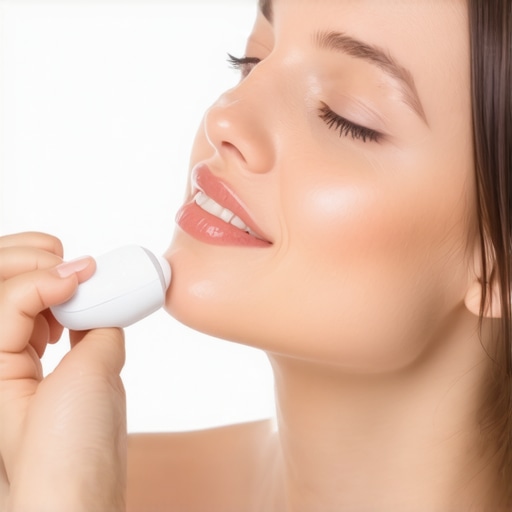
Many assume that routine teeth cleaning is straightforward: brush, floss, and visit the dentist regularly. However, even seasoned patients often get misconceptions about the nuances that truly impact long-term oral health. For instance, a common myth is that the more aggressive the cleaning, the better the result. In reality, overzealous scraping can damage enamel and gums, potentially leading to sensitivity and recession. According to a 2024 study by the American Dental Association, gentle, targeted cleanings are more effective over time than harsh methods that cause tissue trauma. Understanding the fine balance between thoroughness and gentleness is vital for sustainable oral health outcomes.
Why do so many believe flossing is enough?
Flossing is often touted as the be-all-end-all for interdental cleaning. While it’s beneficial, relying solely on traditional floss can be a trap. Newer innovations, like smart flossers, now offer better plaque removal with less gum trauma, especially in tight spots. Many neglect that improper floss technique—such as snapping or forcing floss—can cause bleeding, recession, or even open microscopic wounds that invite bacteria. The idea is to floss gently along the gum line, following the contour of each tooth, to preserve tissue health. This misguided approach often leads to the misconception that flossing alone prevents cavities and gum disease, but studies have proven that a comprehensive routine including proper brushing, interdental cleaning, and regular professional checkups matters more.
Better brushing techniques matter more than you think
Most people stick to the same old brushing routines, unaware of how small technique tweaks can yield significant benefits. For example, using a medium or soft brush at a 45-degree angle, with gentle circular motions, cleans more effectively and prevents enamel erosion. In contrast, aggressive horizontal strokes may remove plaque inefficiently and damage gums. Additionally, the emerging technology of sonic toothbrushes, like smart electric brushes, delivers superior plaque removal with minimal risk to enamel and tissue health, especially when used with the correct pressure setting. Failing to grasp these subtle differences often leads to underwhelming results, or worse, inadvertent harm that could have been avoided.
Now, you might wonder why these nuances are often overlooked despite their importance. The answer lies in the assumption that basic routines are enough—a misconception that can cost you dearly over time. Prioritizing technique, adopting the right tools, and understanding tissue responses are crucial for maintaining a healthy smile. Remember, effective oral hygiene isn’t just about cleaning; it’s about smart cleaning. For more detail on common mistakes and how to avoid them, check out this comprehensive guide. Have you ever fallen into this trap? Let me know in the comments.Maintaining vibrant oral health requires more than just occasional brushing; it involves investing in precise tools and adopting effective routines. Personally, I rely on the SonicPulse Pro, a high-frequency electric toothbrush that offers customizable pressure settings, ensuring gentle yet thorough cleaning without risking enamel erosion. Its oscillating head technology effortlessly dislodges plaque, something my manual brush struggled with, especially in hard-to-reach areas. For interdental cleaning, I’ve switched to the SmartFloss, which uses micro-vibrations to disrupt biofilms between teeth—an advancement supported by recent research indicating that smart flossers outperform traditional string floss in plaque reduction. Incorporating these tools into my daily routine has noticeably improved my long-term results, minimizing cavities and gum issues.
Furthermore, I highly recommend using an AI-powered oral health app, like SmileTrack, which tracks your brushing patterns and provides personalized feedback. This app syncs with your device to analyze your brushing technique, reminding you to cover all areas thoroughly—a habit that improves efficiency over time. As technology advances, these smart solutions are expected to become standard, aiding patients in maintaining optimal oral health effortlessly.
How do I maintain my tools over time? Regular care is essential. The SonicPulse Pro head should be replaced every three months to prevent bacterial buildup and maintain cleaning efficacy. Keep the device itself clean by rinsing it after each use and storing it in a dry, ventilated place. The SmartFloss device needs battery charging every few weeks; neglecting this can reduce its vibration strength, diminishing its plaque-disrupting power. I also periodically calibrate the app settings to match evolving oral health needs, especially if I notice changes in gum sensitivity or plaque accumulation.
For ongoing success, scheduling semi-annual professional cleanings is crucial. These appointments not only remove stubborn tartar but also allow your dentist to spot potential issues early. A 2024 study by the American Dental Association emphasizes that combining high-quality tools with professional oversight ensures the best long-term results. Remember, your investment in advanced tools isn’t just for today—it’s about building habits that will keep your smile healthy for years to come.
If you’re ready to elevate your routine, start by integrating the SonicPulse Pro into your daily practice and pairing it with the SmartFloss. These aren’t just gadgets; they’re strategic assets in your journey toward optimal oral health. For additional personalized advice, don’t hesitate to reach out through our [contact page](https://gentlesmiledentist.com/contact-us). Keep your tools clean, your routine consistent, and enjoy the lasting benefits of a healthier smile.
Lessons That Changed My Entire Perspective on Teeth Cleaning and Oral Care
One of the most eye-opening lessons I learned was the significance of personalized routines; what works for someone else might not be effective for me—it’s about understanding my unique oral needs. I also realized that the hype surrounding new dental technologies often overshadows basic habits; embracing innovative tools like smart flossers and AI-powered apps transformed my oral health more than any expensive treatment. Perhaps the most profound insight was recognizing that consistency and gentle technique outweigh aggressive cleaning tricks—slow and steady wins the race toward a radiant, healthy smile. Lastly, I discovered that regular professional checkups provide crucial insights that no at-home routine can replace, especially with cutting-edge advancements in family dentistry and cosmetic solutions in 2026.