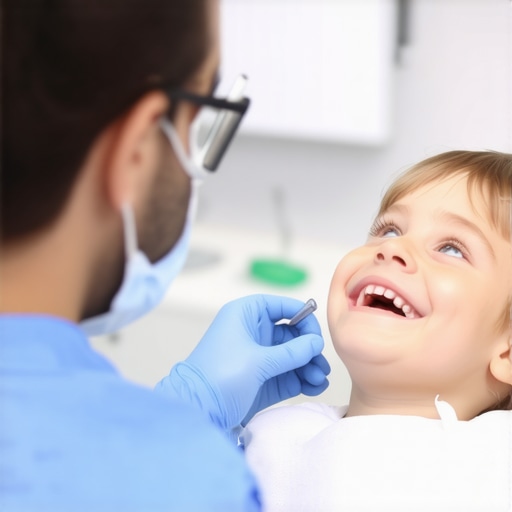
It was a moment of dread—sitting in the dental chair, staring at the ceiling as the dentist gently pointed out a tiny chip I hadn’t even noticed. That uncomfortable realization hit me hard: my routine, simple as it seemed, was missing key elements. I had been overlooking signs that my family’s oral health needed more than just routine cleanings; it needed a serious overhaul for the upcoming year. Have you ever experienced that uncomfortable pause when your dentist spots a potential issue you weren’t aware of, making you wonder if you’re truly doing enough?
Why Staying Ahead of Your Dental Routine Is More Vital Than Ever
Our mouths are more than just the gateway to a beautiful smile; they’re a reflection of our overall health. Neglect or outdated habits can lead to problems that aren’t just about cavities—they can impact heart health, immune response, and even cognitive function. In fact, recent studies show that neglecting regular dental care increases the risk of cardiovascular disease by up to 20% (source). That’s a stark reminder why our family’s routine needs to be current, efficient, and aligned with the latest dental health standards.
But here’s the uncomfortable truth: many families, including mine initially, continue neglecting signs that call for change. Early on, I made a mistake—thinking that brushing twice a day and flossing was enough. It wasn’t. I overlooked the importance of consistent professional cleanings and checking for emerging issues. That oversight nearly cost me a dental emergency I could have avoided. Building trust in our routines means staying educated about what’s evolving in dental care and recognizing warning signs before small problems become major ones.
Is Overhauling Your Routine Too Much Hassle or Just What Your Family Needs?
If you’re skeptical about whether your current routine cuts it for 2026, you’re not alone. Many wonder if it’s worth the effort and expense of re-evaluating their habits and schedules. I was there—until I realized that implementing small, strategic changes saved me from costly procedures later. Reinventing your routine doesn’t mean tearing everything down; it’s about fine-tuning your approach for maximum effectiveness. Ready to see if your current habits pass the test? Let’s dive into the top signs indicating it’s time to upgrade your family’s dental routine for the new year.
Set Clear Daily and Weekly Goals for Oral Care
Begin with specific targets: brush twice daily for at least two minutes, floss every night, and rinse with mouthwash weekly. I remember a morning when I decided to time my brushing; I realized I was rushing through in under a minute. After setting a timer and focusing on thoroughness, my plaque levels dropped within weeks. This precision adds accountability, much like training for a run—small, consistent steps improve overall health.
Integrate Effective Brushing and Flossing Techniques
Use the ‘scrubbing’ method for brushing, but combine it with gentle, circular motions to reach all surfaces—this mimics polishing a gem. Floss carefully between each tooth, holding it taught and curving around each tooth like a tiny bow. I once neglected the floss and paid the price with gum irritation; once I adopted proper flossing, I noticed healthier gums and fresher breath in days. Proper technique maximizes plaque removal and prevents decay.
Schedule Regular Professional Cleanings
Book appointments every six months—think of it as changing your oil for a car. When I scheduled my first cleaning on time, the hygienist used special tools to remove tartar I couldn’t reach at home. This prevented early cavities and saved me from more invasive procedures. Regular cleanings prevent buildup, detect issues early, and keep your family’s oral health aligned with current standards. Check out this guide for techniques that maximize cleaning benefits.
Use Smart Oral Health Aids and Products
Replace manual toothbrushes with electric ones, especially models with oscillating heads for better plaque removal. Incorporate an interdental brush for tight spaces. I tried an LED whitening pen impulsively, but it caused sensitivity—so I switched back to professional treatments. Quality tools make a significant difference, and consulting your dentist can help choose the right products for your family. For advanced options, explore cosmetic dentistry insights on enhancing smile brightness safely.
Adopt a Balanced, Tooth-Friendly Diet
Avoid sugary snacks and acidic drinks, like soda and citrus juices—these are like sandpaper on your enamel. Instead, opt for crunchy vegetables, cheese, and nuts that stimulate saliva and strengthen teeth. I once replaced my afternoon soda with carrot sticks, noticing a swift decline in sensitivity and cavities. Every meal impacts oral health—making mindful choices is a form of preventive care that pays off over time.
Stay Informed and Adjust Your Routine
Regularly check credible sources to stay updated on new products and techniques. I subscribe to newsletters from my dental clinic, ensuring I never miss out on innovations like minimally invasive treatments. Remember, what worked last year might need tweaking. For instance, I learned about latest myths to avoid outdated practices that can hinder progress. Continuously refining your routine ensures your family remains equipped to maintain healthy smiles for years.
Many people believe that cosmetic dentistry simply offers surface-level improvements, but in reality, it involves complex nuances that many overlook. For instance, a widespread myth is that whitening treatments are universally safe; however, overusing bleaching agents without proper supervision can cause enamel erosion (source). Additionally, a critical oversight is assuming all professional cleanings are equal—skipping regular visits or neglecting advanced cleaning techniques can leave plaque trapped in hard-to-reach areas, increasing the risk of gum disease (source).
One hidden nuance is the importance of personalized treatment plans; what works for one family member may not suit another, especially considering age, genetics, and lifestyle. Many fall into the trap of adopting a one-size-fits-all approach, which can undermine long-term results. For example, some assume that aggressive whitening or veneers are always the best choice, but these options might not be suitable for all enamel types and can lead to damage if applied improperly.
From an advanced perspective, understanding the impact of minimally invasive procedures is crucial. Techniques like laser-assisted cleaning and microabrasion allow for effective results while preserving tooth structure—a goal often misunderstood among the general public. For example, cosmetic enhancements like veneers are now more durable than ever, lasting up to 15 years with proper care (source), but only when tailored accurately to the patient’s specific anatomy.
Beware of the ‘quick fix’ mentality. Many think that a quick whitening or snap-on smile can substitute proper oral health routines. This misconception can lead to neglecting foundational practices like daily flossing, which research shows is essential in preventing periodontal issues (source).
Lastly, pay attention to the myth that all dental professionals are equally qualified for cosmetic procedures. Not everyone keeps pace with the latest techniques or invests in advanced training, which can result in subpar outcomes or even harm. Always seek specialists with proven credentials and experience, and consult thoroughly before proceeding with major treatments.
Remember, mastering your oral health demands more than surface-level care; it requires understanding these hidden complexities. Have you ever fallen into this trap? Let me know in the comments.
Keeping Your Smile in Top Shape with Proven Tools
Maintaining optimal oral health requires more than just good intentions; it demands investing in effective tools and establishing consistent routines. Personally, I swear by electric toothbrushes with oscillating heads because they provide superior plaque removal compared to manual brushes—I’ve seen a noticeable difference in my gum health after switching. They are especially beneficial for people with limited dexterity or those looking to maximize their daily cleaning efficiency. Incorporate a high-quality interdental brush; I use 0.8mm nylon-coated versions for tight spaces, as they effectively clean areas that traditional floss might miss, helping prevent gum disease and decay. Using these tools regularly not only keeps your teeth clean but also extends the longevity of cosmetic treatments like whitening or veneers, ensuring your investment lasts as long as possible.
How do I maintain my oral health over time?
One of the most effective strategies is to schedule professional cleanings every six months. Regular visits allow your dentist to detect early signs of issues like tartar buildup or gum inflammation before they escalate, which has been proven to prevent major dental problems according to expert insights. Additionally, adopting advanced home-care devices, such as ultrasonic water flossers, can enhance your daily routine. These tools use pulsating water streams to dislodge plaque in hard-to-reach areas, making flossing more effective and easier, especially for those with braces or bridges. Incorporating such gadgets into your routine transforms oral care from a chore into a safe and satisfying daily ritual—making your investment in cosmetic dentistry worth every penny. Furthermore, stay informed about emerging technologies and products; for example, recent studies suggest that AI-powered toothbrushes can adapt to your brushing habits for personalized cleaning, a glimpse into the future of dentistry that might soon become standard practice.
By leveraging these specific tools and strategies, you can ensure your smile remains vibrant and healthy for years to come. I encourage you to try that ultrasonic water flosser—it’s a game-changer for maintaining the results of professional whitening and cosmetic treatments. Remember, consistency is key, and combining high-quality equipment with regular dental visits sets you up for long-term success in your oral health journey.
What I Wish I Knew About Oral Health Before It Was Too Late
I used to believe that brushing was enough, but soon I realized that neglecting professional cleanings could silently damage my teeth and gums. The lightbulb moment came when a trusted dentist showed me how early signs of decay are often invisible to the untrained eye, reminding me that knowledge and proactive care are our best allies.
Why Ignoring Small Signs Can Cost You Big Time
One lesson I learned the hard way is that tiny issues like sensitivity or slight bleeding are often early warnings. Addressing them promptly can prevent costly procedures and protect your family’s smiles. Staying informed about emerging techniques, such as minimally invasive treatments, can make a significant difference and save you time and money in the long run. For a comprehensive look, check out this guide.
How Fine-Tuning Your Routine Transformed My Confidence
Small adjustments—like using an electric toothbrush with the right technique, incorporating interdental brushes, and scheduling regular checkups—created a ripple effect. Not only did my oral health improve, but my confidence soared. I discovered that investing in quality tools and expert advice, such as detailed in this resource, is a game-changer for lasting results.
Getting Beyond the Smile Surface—Real Insights from Experience
Many myths about cosmetic dentistry and whitening treatments can lead us astray, especially when done without proper supervision. I realized that personalized treatment plans, tailored to individual needs and derived from ongoing education, are key. Knowing the difference between safe, effective procedures and superficial quick fixes can preserve your investment and ensure a natural, healthy appearance. For deeper understanding, explore this article.
My Curated List for Long-Term Dental Success
Over the years, I’ve relied on a few trusted tools and resources: First, an electric oscillating toothbrush, which has been essential for thorough cleaning. Second, a water flosser, which complements traditional flossing by reaching those tricky spots. Third, continuously educating myself through credible sources like the links above ensures I stay ahead of new innovations. Combining these with regular dental visits creates a robust foundation for vibrant, lasting smiles.
Your Turn to Illuminate Your Smile Journey
The most valuable lesson I can share is that your oral health is a lifelong investment, enriched by persistent learning and proactive habits. Every small step counts, and the right tools or knowledge can transform your family’s smiles into a beacon of confidence. Remember, your journey is unique—take charge today, and watch how your smile blossoms with health and happiness.