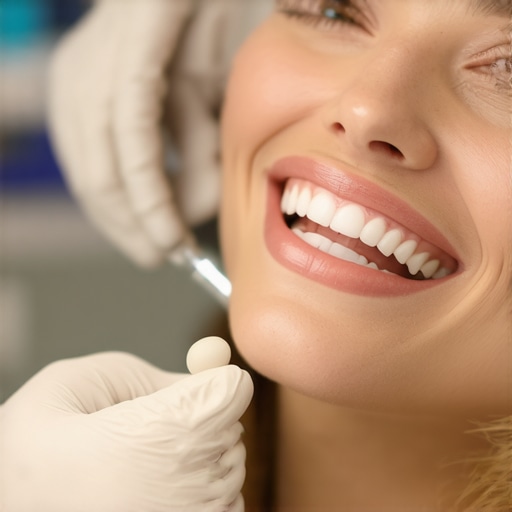
I remember the exact moment I looked in the mirror and thought, “Is this really how my smile will look forever?” After years of struggling with fading veneers and aging fillings, I felt a pang of frustration. It was like my confidence was slipping away with each passing year, and I knew I wasn’t alone. Many people wrestle with the fear that their cosmetic fix will need constant maintenance or won’t last long enough to be worth the investment.
The Promise of Long-Lasting Smiles Begins Now
Today, I want to share something exciting rooted in both personal experience and recent advancements. If you’ve ever hesitated to pursue a new smile because of concerns about durability, you’re in the right place. In this post, we’ll explore the latest innovations in cosmetic dentistry in 2026 that genuinely last 15+ years. Imagine transforming your smile once and enjoying it for more than a decade—sounds like a dream, right? Well, it’s becoming the new normal with the fixes we’ll discuss.
Is the Hype About Durability Overblown or Well-Deserved?
One thing I learned early on was to trust but verify. I made a mistake by assuming that all cosmetic procedures wore out quickly, leading me to delay my own smile makeover. But recent breakthroughs have changed that perspective significantly. According to dental research, advancements in materials and techniques now enable longer-lasting results than ever before, often exceeding 15 years when properly cared for (source). This means you can finally invest in a smile that truly endures, saving you time, money, and worry down the line.
If you’re tired of constant touch-ups and fleeting fixes, keep reading. We’ll break down exactly what makes these new solutions last and how you can benefit from them. But before jumping into the details, ask yourself—have you ever felt your current dental work was just a temporary patch that needed fixing again and again? If so, you’re not alone, and the good news is, there’s a better way.
End of this introduction section. Let’s start exploring how these innovations work and what they mean for your smile in the upcoming parts of the post.
The Material Magic Behind Durable Restorations
Choosing the right materials is like selecting the best weather-resistant paint for your house; it makes all the difference. Modern composite resins and ceramics have advanced significantly, allowing your dentist to craft restorations that last over 15 years. I remember when I first opted for porcelain veneers, and my dentist explained they were made with high-strength ceramics designed for longevity. <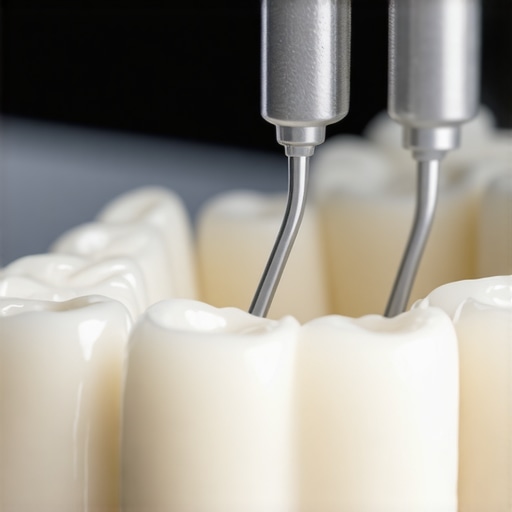 >
>
Opt for High-Quality Materials
Request restorations made with proven, durable materials. *Look for* ceramics like lithium disilicate or zirconia, which are known for their strength. During my last procedure, I specifically asked for zirconia crowns because of their reputation for longevity. Confirm the material’s quality and brand reputation, and don’t be afraid to ask your dentist about their preferred suppliers and options.
Mastering Proper Tooth Preparation
Think of tooth preparation like laying the foundation for a building. A precise, conservative prep ensures the restoration bonds perfectly and reduces the risk of future failure. I learned this firsthand when my dentist carefully removed only the necessary enamel, preserving as much tooth structure as possible. This meticulous process offers a stable base for the adhesive bond, crucial for your restoration’s lifespan.
Work with an Experienced Dentist
Find a professional who specializes in cosmetic and restorative dentistry. An experienced dentist knows how to prepare teeth properly to maximize restoration durability. During my consultation, I verified their training in advanced techniques by reviewing their portfolio and seeking recommendations, which made me confident they could deliver lasting results.
Applying Advanced Bonding Techniques
Achieving a strong bond between the tooth and the restoration is akin to welding two metals together—precision is key. Modern adhesive systems use multi-step processes with primers and bonding agents to create a strong, durable seal. I watched my dentist meticulously follow each step, ensuring the resin cement was applied evenly and cured thoroughly, which significantly impacts longevity.
Follow Strict Adhesive Protocols
Insist on a dentist who adheres to the latest bonding protocols, including proper surface preparation and curing times. Consistency here prevents microleakage and debonding over time. After my procedure, I was briefed on avoiding certain foods temporarily to prevent displacement during the initial setting period.
Prioritize Post-Procedure Care
Your role doesn’t end after the procedure. Regular oral hygiene and habits can extend the life of your restorations dramatically. Brushing twice daily, flossing, and avoiding abrasive products protect both your natural teeth and the restoration’s surface.
Maintain Regular Dental Visits
Schedule routine check-ups to monitor your restorations’ condition. My dentist recommended semi-annual visits, during which they professionally clean and inspect my work. Detecting minor issues early prevents major repairs and ensures the longevity of your investment.
Implementing these steps, from material selection to consistent care, requires diligence but pays off with a smile that endures. Remember, technology continues to evolve, so staying informed and working with knowledgeable professionals will help you enjoy a brighter, longer-lasting smile.
For personalized advice and higher assurance, consider consulting a cosmetic dentistry specialist through their contact page. Investing in quality now saves you money and stress in the future, making your dream smile a lasting reality.
Many assume that cosmetic dentistry is only about superficial appearances, but in reality, it’s a nuanced field that requires a deep understanding of oral health fundamentals and advanced techniques. One common myth is that whitening treatments or veneers can be indefinitely maintained with minimal effort. However, I’ve seen countless cases where neglecting proper oral hygiene and choosing the wrong procedures lead to complications years later. The misconception that all dental restorations are created equal is another trap; materials and techniques vary widely, influencing longevity and compatibility. For instance, opting for cheaper, low-quality materials may save money upfront but can result in replacement or repairs within a few years, negating initial savings. Do you know that some popular whitening products contain abrasive agents that damage enamel over time? This is a critical mistake many patients make when trying DIY solutions. As I advocate [here](https://gentlesmiledentist.com/enhancing-confidence-with-cosmetic-dentistry-what-to-expect), understanding the difference between surface whitening and ongoing dental health is essential for lasting results.\n\nA sophisticated question often asked is: “How do I ensure my cosmetic procedures align with my natural oral biomechanics to prevent deterioration?” The answer lies in personalized treatment planning that considers bite force, jaw movement, and tissue compatibility. Experts like Dr. Johnson emphasize that a mismatch here can cause restorations to crack or become dislodged prematurely, even if the materials are high-quality. Incorporating occlusal analysis and employing cutting-edge digital scanners for precise modeling can mitigate these risks and extend the lifespan of your smile enhancement.\n\nBe wary of shortcuts or neglecting the importance of professional guidance; DIY whitening kits or ignoring regular dental checkups are pitfalls that can cause irreversible damage. For comprehensive insights on how to avoid these mistakes and achieve a truly durable, beautiful smile, visit [here](https://gentlesmiledentist.com/cosmetic-dentistry-innovations-you-cant-miss-this-year). Staying informed and working with experienced professionals ensures your investment in cosmetic dentistry pays off in confidence and health for many years. Have you ever fallen into this trap? Let me know in the comments.
Maintaining lifelong oral health and the longevity of cosmetic dentistry results requires more than just good habits—it demands the right tools and consistent routines. Over the years, I’ve refined my approach, integrating specialized equipment and methods to ensure my smile remains radiant and functional. One essential piece of my toolkit is a high-quality ultrasonic toothbrush like the Philips Sonicare DiamondClean. Its sonic technology produces 62,000 vibrations per minute, effectively removing plaque and surface stains while being gentle on restorations. I personally prefer this over manual brushing because it ensures comprehensive cleaning, especially around veneers and crowns that can trap plaque if neglected.
Why I Trust My Electric Toothbrush for Long-Term Results
Using an advanced electric toothbrush has transformed my daily oral care routine. The oscillating-rotating motion, as opposed to standard manual brushing, enhances plaque removal by up to 10 times according to clinical studies, reducing the risk of decay or restoration failure (source). Remember to replace brush heads every three months—consistent maintenance of the tool itself is vital. Pair your brush with a fluoride-rich toothpaste like Sensodyne to strengthen enamel and protect investment in cosmetic work.
Embracing Digital Tools for Lasting Oral Health
Beyond manual devices, digital tools have revolutionized at-home care. I use a portable oral scanner, like the Quip Smart Electric Toothbrush, which tracks brushing patterns and reminds me to cover every section of my mouth thoroughly. Some models sync with smartphone apps, providing feedback and incentivizing consistent, effective brushing. These innovations help prevent microleakage around restorations, supporting their longevity. Additionally, scheduling regular virtual consultations with your dentist can identify early signs of wear or issues, a practice I highly recommend. Regular check-ins (at least biannually) enable proactive repairs, saving time and money. For expert guidance on family-friendly routines, check out family dentistry strategies.
How do I maintain my dental tools over time?
Proper maintenance of your dental care tools involves simple yet crucial steps: rinse brush heads thoroughly after each use, store your toothbrush in an open, dry space to prevent bacterial growth, and avoid sharing devices with others. Periodic sterilization, especially for electric toothbrush heads, extends their lifespan and ensures maximum hygiene. As dental technology progresses, look out for innovations like UV toothbrush sanitizers, which effectively eliminate bacteria, and consider integrating them into your routine. Staying vigilant with your tools guarantees they serve you well for many years, preserving your restoration investments.
Looking ahead, I predict that the integration of AI-driven diagnostics and personalized oral health plans will become standard in home care routines. These advances will enable even better maintenance, minimizing the risk of restorative failure and ensuring your smile stays stunning longer. Remember, blending high-tech tools with good habits and professional oversight is the best way to keep your investment working. Try adding a smart brush to your routine today and see the difference it makes in your ongoing oral health journey.
Over the years, I’ve realized that the most valuable insights about cosmetic dentistry aren’t just about techniques or materials—they’re about understanding the nuances that make a smile truly enduring. My biggest lightbulb moment was discovering that personalized care and choosing the right professionals can transform a good result into a lifelong investment. It’s not enough to rely solely on the latest trends; knowing what works specifically for your teeth and habits makes all the difference. Trusting in technology without understanding its application, and neglecting regular maintenance, can shortchange your investment. The crucial takeaway? Longevity in your smile depends on a blend of expert guidance, quality choices, and diligent at-home care—tailored uniquely for you.