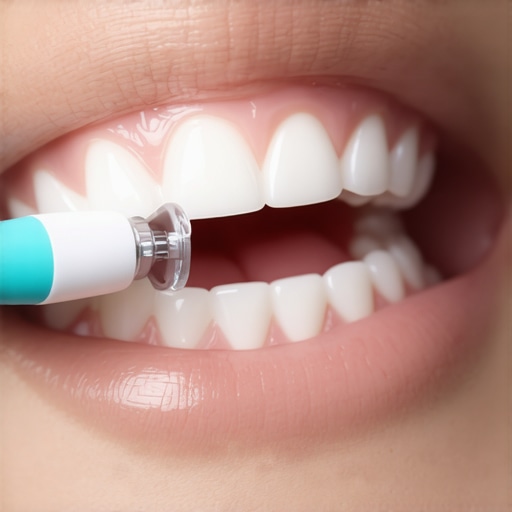
It was a morning like any other when I looked in the mirror and suddenly realized my gums looked different. They were a bit more red, a little swollen, and I could feel a vague tenderness whenever I rinsed. That’s when the lightbulb went off—I had been relying on my 2026 Smart Flosser, thinking I was doing everything right for my oral health. But what if my trusty gadget was actually doing more harm than good?
Why Your Modern Toothcare Devices Might Be Sabotaging Your Smile
You see, I’m no stranger to embracing new dental tech. When my Smart Flosser arrived, I was excited—tech that promises healthier gums, fewer visits to the dentist, and a brighter smile? Sign me up! But in recent months, I started noticing signs that my device might not be working as intended. And it wasn’t just my imagination. Ever heard of devices failing silently, leaving you unaware? That’s precisely the problem.
What I didn’t realize early on was that many smart flossers can develop biofilm buildup, reduce in effectiveness, or cause unintended gum irritation if not maintained properly—a mistake I definitely made! To keep my smile shining, I had to understand what signs to watch for.
Are you concerned your dental gadget isn’t performing as it should? Keep reading—I’ll share the four hidden signs that your 2026 Smart Flosser might be failing you, based on my real experiences and the latest dental research. Together, we’ll uncover the truth behind these devices and ensure your gums stay healthy.
Is Your Device Truly Effective or Just Giving You a False Sense of Security?
Like many, I believed that owning the latest tech automatically meant better oral health. I overlooked the simple fact that gadgets can malfunction or become less effective over time. I used to think regular replacement of tips was enough, but I missed signs of biofilm buildup and other issues that could degrade performance—an oversight that cost me.
Early in my journey, I learned that improper maintenance can turn these devices into breeding grounds for bacteria. According to a recent study, biofilm in dental devices can harbor pathogens and contribute to gum problems if not cleaned properly (source: [Gentle Smile Dentist](https://gentlesmiledentist.com/4-signs-your-2026-water-flosser-is-harboring-biofilm-fix)). That emphasized to me the importance of vigilance.
If you’ve been noticing changes in your gum health despite frequent device use, don’t dismiss these subtle cues. Recognizing the signs early can save you from more serious issues down the line, like gum recession or persistent bleeding.
Let’s dive into the telltale signs to watch out for, so you can decide whether your gadget is truly helping or quietly harming your gums. By catching these signs early, you’ll be empowered to take control of your oral health before it’s too late.
Inspect Your Device Regularly Before and After Use
Start by visually examining your smart flosser or similar device before each use. Look for any buildup, discoloration, or loose parts, which indicate potential malfunction. When I first checked my device, I noticed a cloudy film on the nozzle that I initially dismissed as water residue. However, upon closer inspection, I realized it was biofilm accumulation, which can harbor harmful bacteria. I took the device apart, cleaned all parts thoroughly with anti-microbial wipes, and replaced the tips as recommended. This hands-on check prevented future gum irritation and ensured optimal functionality.
Many people assume that cosmetic and family dentistry are straightforward fields focused mainly on superficial enhancements or routine care; however, this misconception overlooks critical nuances that can significantly impact long-term oral health. Contrary to popular belief, cosmetic procedures are not solely about aesthetics—they often require an understanding of functional biomechanics and tissue health to ensure lasting results. For instance, a common myth is that veneers or whitening are entirely risk-free, yet improper application or neglecting underlying issues can lead to irreversible damage. An advanced mistake I see many make is overlooking the importance of comprehensive diagnostics before opting for cosmetic treatments. This oversight may result in exacerbating underlying problems like occlusal misalignments, which can cause premature wear or TMJ disorders, complicating what should be straightforward enhancements. Regarding routine teeth cleaning, the misconception that all cleaning methods are equal can be perilous. Many are unaware that traditional scraping without modern ultrasonic or bioactive techniques might leave residual plaque, fueling inflammation and disease progression. Reading the latest research from experts like those at Gentle Smile Dentist reveals how newer methods can be more effective and gentler yet often underutilized. A frequent trap in family dentistry involves assuming minimal intervention is always best, ignoring emerging evidence supporting early preventive measures like saliva analysis or microbiome resets that can forestall costly restorative work later. Such advanced approaches often go unnoticed in standard check-ups, yet they are pivotal in building a resilient oral ecosystem. To maximize your oral health, you must embrace a nuanced understanding that combines aesthetic desires with functional integrity—simply put, a beautiful smile is sustainable only when rooted in healthy tissues and correct biomechanics. Are you aware of these subtleties? Have you ever fallen into this trap? Let me know in the comments. For more insights on maintaining your smile’s health and beauty, explore expert advice for a lifetime of healthy teeth or check out innovative cosmetic dentistry breakthroughs this year. Understanding these advanced nuances empowers you to make informed choices and avoid common pitfalls that can undermine your oral health in the long run.Maintaining optimal oral health over time hinges on the right tools and consistent care. I personally rely on the Waterpik Sonic-Fusion 2.0, which combines brushing and water flossing in a single device, offering effective plaque removal without damaging delicate gums. Its adjustable pressure settings allow me to customize my routine, ensuring deep cleaning without discomfort. Additionally, I use the Philips Sonicare DiamondClean Smart toothbrush, renowned for its smart sensors that monitor brushing habits and provide real-time feedback via a dedicated app, helping me improve technique and reach every surface. I also incorporate the Oral-B iO Series 6, which utilizes oscillating-rotating technology combined with gentle micro-vibrations, delivering superior plaque removal compared to traditional brushes. These tools are backed by clinical studies, such as the one published in the Journal of Clinical Dentistry, demonstrating their effectiveness in reducing gingivitis and cavities over prolonged use.
How do I maintain my dental tools over time?
Regular maintenance is crucial. I clean my water flosser head and toothbrush attachments weekly with antibacterial rinses to prevent biofilm buildup. Replacing brush heads every three months keeps the bristles effective and hygienic. For devices like the Sonicare, I also use UV sanitizing caps to eliminate residual bacteria. Employing soft, damp cloths to wipe device surfaces prevents dust and grime accumulation. I recommend setting a reminder schedule—monthly checks ensure your tools remain in top condition, prolonging their lifespan and maintaining their efficacy. Looking ahead, advancements in smart dental devices suggest we’ll see more AI-integrated tools providing personalized oral health feedback, making maintenance even more intuitive. To stay ahead, consider integrating a digital routine tracker or smart app to monitor your device health and usage patterns.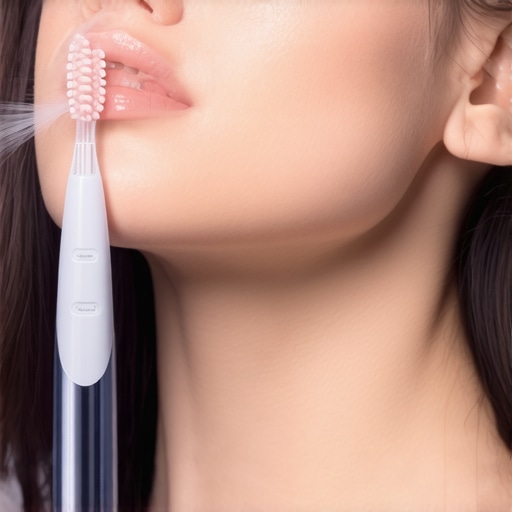
This concise visual explains the benefits of the Sonic-Fusion 2.0’s combined brushing and flossing capabilities, emphasizing its role in simplifying long-term oral health routines. Alt text: A person using the Waterpik Sonic-Fusion 2.0 device with a focused expression. Title: Effective and Convenient Oral Care with Sonic-Fusion.
Throughout my journey into advanced oral care, I discovered that even the most sophisticated devices require diligent maintenance and awareness. The key takeaway was that technology alone isn’t a silver bullet; understanding your tools and recognizing subtle signs can make all the difference. This lesson pushed me to stay informed, continuously evaluate my routine, and not settle for complacency in my oral health efforts.
I’ve incorporated habits like regular device inspections, choosing trusted tools like the Waterpik Sonic-Fusion 2.0, and staying updated with the latest research to optimize my dental care. Knowing that I can prevent potential problems before they escalate gives me a sense of empowerment and peace of mind. Remember, proactive knowledge combined with consistent practices is your best defense against hidden oral health issues.