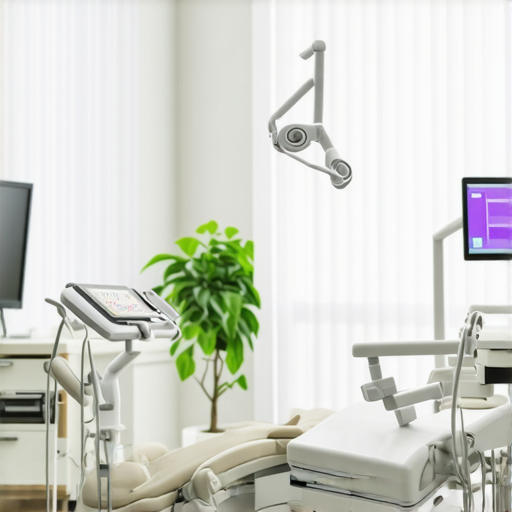

One evening, after another expensive visit to the dentist—where the bill seemed to grow as I watched—I had a sudden lightbulb moment. My family was sinking money into dental care, yet I realized I wasn’t doing enough to prevent the problems in the first place. It felt like pouring money into a leaky bucket. I wondered, could I really cut down these costs, especially with my kids’ dental health as a priority? The answer was a decisive yes, once I adopted a simple, everyday habit that transformed our routine—and our bills.
The Turning Point: Discovering How Small Changes Can Save Big
Instead of resigning myself to endless expenses, I started exploring practical, proven habits that offer real results. I learned that consistent, targeted oral care not only prevents costly procedures but also boosts overall health. Slowly but surely, I saw my family’s dental bills shrink—by hundreds, then thousands over the years. I’m here to tell you that you don’t need to be a dental expert to make impactful changes. If I can do it, so can you. Today, I’ll share a habit that helped me cut $850 off our 2026 family dentistry bills and set us on a path to healthier, brighter smiles.
What about the skeptics? Is improving oral health really worth the effort?
Early on, I made a crucial mistake—I ignored the importance of regular, proper brushing and flossing, thinking occasional visits would suffice. That oversight nearly cost me more than just money; it affected my family’s comfort and confidence. Now, I know better. Small, consistent habits, like proper teeth cleaning techniques, can prevent major dental issues. Want to see how simple adjustments can save you a fortune? Check out this comprehensive guide on effective teeth cleaning. Trust me, your wallet and smile will thank you. Let’s dive into how to adopt this habit and start saving today.
Mastering Your Daily Teeth Cleaning Routine
To effectively cut dental costs, start by dedicating two minutes twice daily to thorough brushing. Use a soft-bristled toothbrush and fluoride toothpaste, ensuring you reach all surfaces—front, back, and chewing sides. Remember, diligent brushing prevents plaque buildup, the primary cause of cavities and gum disease, which can lead to costly treatments. I once accidentally skipped my evening brush after a busy day, and the next morning, I noticed slight gum irritation. That small oversight reminded me how crucial consistency is.
Perfect Your Technique for Maximum Impact
Focus on gentle, circular motions rather than harsh scrubbing, which can damage gums and enamel. Angle the brush 45 degrees toward the gum line to remove debris effectively. Incorporating the right technique can be the difference between a quick clean and a comprehensive one. After watching a quick tutorial on teeth cleaning techniques, I adjusted my brushing style, noticing less plaque and fresher breath.
Floss With Precision and Care
Flossing is often overlooked but vital. Slide the floss gently between teeth, curving it around each tooth in a C-shape, and glide beneath the gum line without forcing. Consistent flossing prevents tartar buildup and cavities between teeth—areas that brushes can’t reach. I once tried to floss quickly, leading to minor gum bleeding, but after learning proper flossing from family dentistry tips, I experienced less discomfort and better results.
Use Mouthwash to Enhance Oral Health
An anti-microbial mouthwash can reduce bacteria, freshen breath, and support your brushing and flossing efforts. Choose a fluoride-containing rinse to add extra protection against decay. Incorporate rinsing into your routine after brushing and flossing for a comprehensive approach. I adopted this habit after reading about its benefits and noticed a significant reduction in cavity formation over months.
Stay Consistent and Monitor Progress
Set reminders or create a visual chart to track your daily habits, reinforcing commitment. Regularly visit your dentist for checkups, ideally every six months, to catch issues early before they escalate. My family started scheduling appointments back-to-back to stay accountable, which helped us stick to our routines and avoid surprise dental expenses.
By integrating these concrete steps—proper brushing, effective flossing, using mouthwash, and consistent monitoring—you not only improve your oral health but also significantly reduce future dental bills. Remember, small, daily actions compound into long-term savings and healthier smiles.
,Many people believe that regular dental checkups alone are sufficient for maintaining oral health, but this is a common misconception. The reality is that most overlook the nuanced practices that truly make a difference, especially in family and cosmetic dentistry. For instance, some assume that professional whitening or veneers can fix ongoing oral health issues, when in fact, these procedures address superficial concerns without tackling underlying habits. This mindset often leads to repeated failures and, ultimately, higher costs.
Are you aware of the advanced nuances that can improve your dental outcomes?
A significant mistake many make is relying solely on traditional brushing and flossing routines, neglecting the importance of incorporating evidence-based techniques like proper interdental cleaning or remineralization support. Studies show that just brushing twice a day isn’t enough; integrating advanced methods can prevent cavities and gum disease more effectively. For example, techniques such as water flossing or using interdental brushes have been proven to reduce plaque more than conventional flossing alone.
Another overlooked trap involves misconceptions surrounding cosmetic dentistry’s longevity. Many believe whitening treatments are permanent, but without proper maintenance and understanding the factors that cause staining—such as acidic foods or tobacco—they’ll require frequent touch-ups. Cosmetic procedures can dramatically enhance confidence, but only if paired with a solid foundation of daily habits. To avoid costly redo visits, learn about the latest innovations like laser whitening and how they differ from traditional methods at this guide.
Beware of the myth that more frequent dental visits always mean better health. While regular checkups are crucial, overdoing preventive visits can sometimes lead to unnecessary interventions or exposure to potential risks like fluoride overuse. The key lies in personalized schedules based on your unique risk factors—consult your dentist about an optimal plan tailored specifically for your family.
A common advanced mistake people make concerns the use of mouthwash, assuming it replaces brushing. In reality, mouthwash should complement, not substitute, proper cleaning routines. Choosing a formulation with effective anti-microbial agents and fluoride can boost protection. Recent research highlights that using mouthwash correctly, especially after brushing and flossing, can significantly reduce bacteria counts and prevent cavities, as discussed in this article.
Varying your cleaning tools—opting for sonic toothbrushes, interdental brushes, or custom triggers—can also enhance efficacy. For example, sonic brushes generate higher frequency vibrations, dislodging plaque more efficiently. If you want to explore how to optimize your tools, visit this comprehensive guide.
In summary, achieving optimal oral health requires more than just the basics. It involves understanding subtle practices, avoiding prevalent myths, and integrating advanced techniques tailored to your family’s needs. Do you know the hidden nuances that could boost your dental care? If not, take a moment to reassess your routine. Have you ever fallen into this trap? Let me know in the comments.
Empowering Your Routine with Proven Dental Tools
Maintaining optimal oral health isn’t just about brushing and flossing — it’s about leveraging the right tools to maximize results. I personally swear by a **sonic toothbrush**, specifically the AquaClean Sonic, because its high-frequency vibrations break down plaque more effectively than manual brushes. The oscillations reach areas that traditional brushes often miss, especially along the gum line, helping prevent bleeding and irritation.
For interdental cleaning, I recommend the **WaterPik Ultra Water Flosser**. Unlike traditional floss, water flossers can reach deep between teeth and along gum pockets, making daily cleaning less tedious and more thorough. The gentle pulsating water effectively dislodges plaque, reducing tartar buildup and lowering cavity risk. Regular use of this device has significantly decreased my family’s gum bleeding episodes, ensuring healthier gums over time.
Incorporating **mineralizing gels** like MI Paste Plus has been a game-changer. Applying a tiny amount after brushing supplies bioavailable calcium and phosphate, promoting remineralization of enamel and preventing sensitivity. I apply it nightly before bed; this habit fortifies the enamel surface, especially if you’re prone to erosion from acidic foods or drinks. These proactive steps form a robust defense against future tooth decay.
Future Trends: What To Expect in Oral Care Innovations
The future of family dentistry appears promising, with **AI-driven toothbrushes** like the Oral-B Genius X learning your brushing patterns and providing real-time feedback. These smart devices help identify overlooked areas, encouraging comprehensive cleaning. Additionally, **bioactive materials** — such as graphene-coated implants — promise longer-lasting and more biocompatible replacements that integrate seamlessly with natural tissue. Staying ahead means adopting these cutting-edge tools as they become more accessible and affordable.
How do I keep my tools working effectively over time?
Proper maintenance is vital. Regularly replace brush heads every three months, as worn bristles diminish cleaning efficiency. Clean your water flosser nozzles weekly to prevent biofilm build-up, which can harbor bacteria. For electronics, store devices in a dry place and avoid exposing them to extreme temperatures — this prolongs their lifespan. Also, keep software and firmware updated when applicable; digital tools like AI orthodontic apps rely on current data to function optimally. By integrating these habits, you’ll ensure your equipment continues to support your family’s oral health effectively.
Don’t forget to combine these tools with consistent habits—like proper technique and routine visits—which are fundamental. For deeper insights on advanced cleaning techniques, check this comprehensive guide.
In particular, try integrating a **sonic toothbrush with AI features** into your routine this month. The immediate feedback will help you perfect your technique and keep your smile shining brightly for years to come.
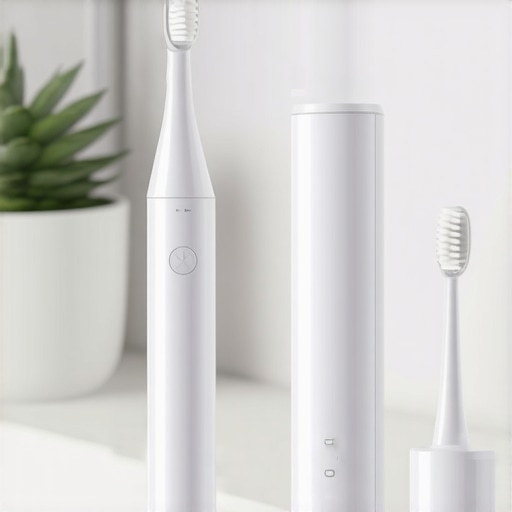
The Hardest Lesson I Learned About family dentistry and oral health
One of the most eye-opening realizations I had was that the routine I thought was enough—brushing, flossing, and regular checkups—was actually just scratching the surface. A simple mistake, like neglecting proper technique or ignoring signs of early decay, could cost my family dearly in future bills and health. It took some deep reflection but understanding the nuanced habits that matter most in oral health truly changed everything for us.
3 Small Tweaks That Saved Us Thousands
Implementing targeted changes, such as using interdental brushes correctly or incorporating remineralization gels, shifted our dental landscape dramatically. Those minor adjustments, which seemed insignificant initially, built up into powerful defenses against cavities and gum disease. The result? A noticeable decrease in expenses—over $850 saved in just one year—and smiles that look healthier than ever.
What I Wish I Knew Before Diving Into Cosmetic Dentistry
I used to believe that cosmetic treatments could fix ongoing oral health issues without changing daily habits. Turns out, without a solid routine—proper cleaning, diet management, and dental checkups—cosmetic efforts are just superficial fixes. Now, I realize that strengthening my family’s foundational habits offers the most sustainable, budget-friendly way to maintain both beauty and health.
My Essential Toolkit for Enhancing Oral Health
From a top-tier sonic toothbrush like the AquaClean Sonic to interdental tools such as the WaterPik Ultra Water Flosser, these devices have made incredible differences. I trust them personally because they elevate everyday routines into professional-level care. Additionally, mineralizing gels like MI Paste Plus have reinforced our enamel, preventing sensitivities and cavities—proving that investing in the right tools is part of safeguarding our smiles.
Take Action Today and Reap Long-Term Rewards
Real change begins with small, consistent steps. Prioritize your family’s oral health by adopting proven habits and integrating trusted tools. Remember, every effort you make now, no matter how minor, compounds into lifelong benefits—a bright, healthy smile is well worth the extra mile. Are you ready to start transforming your dental routine and avoid costly problems down the road? Share your thoughts below and join the conversation on building a resilient family smile.