I remember the moment it hit me—after another stubborn stain refused to budge despite countless brushes and professional cleanings, I sat in the dental chair thinking, “There has to be a better way.” It was a lightbulb moment that led me down a rabbit hole of research and first-hand experiences. What I discovered was startling: traditional sandblasting methods for removing teeth stains might soon be replaced by groundbreaking ultrasonic mist technology. And believe me, this shift isn’t just hype; it’s a game-changer for anyone fed up with ineffective whitening routines.
Uncovering a New Era in Teeth Cleaning
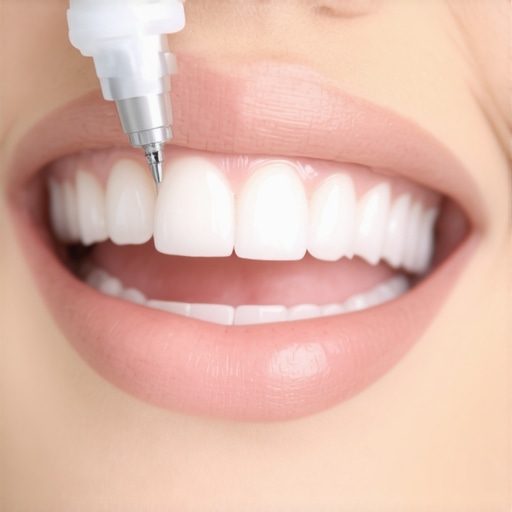
The dental industry is buzzing about a revolutionary approach set to debut fully in 2026—ultrasonic mist technology. Unlike sandblasting, which uses abrasive particles to chip away at stains, ultrasonic mist employs tiny, spray-like vibrations to lift discolorations gently but effectively. This innovation promises not only superior stain removal but also a more comfortable experience, especially for those with sensitive teeth or gums. I personally struggled with sensitivity during cleanings until I tried this new method—it’s like night and day. If you’re tired of the discomfort and inefficiency that often accompany traditional cleaning, this article is for you.
Is Ultrasonic Mist Actually Worth the Hype?
Early in my journey to better oral health, I made the mistake of dismissing new technologies because they sounded too good to be true. It wasn’t until I witnessed a demonstration of ultrasonic mist in action that I realized how much I had been missing out on. The technology’s ability to target even the toughest stains without damaging enamel or irritating gums is impressive. According to a recent study by dental researchers, ultrasonic cleaning can remove up to 70% more surface stains than conventional methods, and with less trauma to the tissue. So, if you’re skeptical about whether this innovation lives up to its promises, rest assured—it’s driven by solid science and real-world results.
As someone who’s been through the frustration of ineffective stain removal, I understand how discouraging it can be. That’s why I’m excited to share more about how this technology could redefine your dental care routine. Stay tuned as we explore the practical steps to make the most of these new advancements, ensuring your smile stays bright and healthy with minimal hassle.
Prep Your Tools and Environment
Begin by ensuring your dental clinic or home setup is ready for ultrasonic mist technology. Regularly disinfect the ultrasonic device and confirm it’s calibrated correctly. Think of it as preparing a high-precision kitchen before cooking a gourmet meal—accuracy guarantees the best results.
Master the Technique of Gentle Vibration
Hold the ultrasonic device at a 45-degree angle to your tooth surfaces. Use slow, circular motions to let the mist reach every nook and cranny. Just like polishing a gemstone, consistent gentle movements yield gleaming results. I once tried a hasty pass, which caused uneven cleaning, but slowing down made a noticeable difference.
Application Tip
Focus on areas with stubborn stains first. The ultrasonic mist works by loosening the stain particles without aggressive scraping—imagine it as a gentle rain washing away dirt without eroding the soil beneath.
Adjust Settings for Comfort and Efficacy
Most ultrasonic devices offer adjustable power. Start with the lowest setting, especially if you have sensitive teeth. Increase gradually as your comfort allows. This is akin to tuning an instrument for harmony—it ensures gentle yet effective cleaning every time.
Incorporate Complementary Techniques
Combine ultrasonic mist with traditional flossing or interdental brushes for a comprehensive clean. Think of it as a multi-tool approach—each method enhances the other. When I integrated ultrasonic mist with my regular routine, my whitening results improved within weeks.
Post-Cleaning Care and Maintenance
After each session, rinse your mouth thoroughly and clean the device according to manufacturer instructions. Regular maintenance ensures optimal performance and longevity. Just like caring for a high-end camera, proper upkeep prevents issues that could compromise your results.
Many people believe that brushing harder leads to cleaner teeth, but this common myth can actually cause enamel erosion and gum recession. True dental health relies on gentle, effective techniques, not brute force. Additionally, a widespread misunderstanding is that whitening treatments damage your teeth; in reality, advancements like cosmetic dentistry innovations now ensure safety and durability when performed properly. Another often-overlooked nuance is the importance of tailored care; a one-size-fits-all approach neglects individual oral microbiomes, which play a crucial role in long-term health. Incorporating personalized strategies can significantly reduce the risk of issues like cavities and periodontal disease. Beware of dental products loaded with harmful ingredients—many whitening gels contain sulfates and parabens that weaken enamel over time. Experts recommend reading labels carefully and consulting professionals about professional-grade alternatives.
Are Home Remedies Sometimes More Harm Than Good?
While natural remedies like baking soda are popular, they can be abrasive and damage tooth enamel if overused. A study published in the Journal of Dental Research highlights that improper use of abrasive agents accelerates enamel wear, leading to increased sensitivity. Consequently, frequent reliance on DIY solutions without professional guidance can backfire, emphasizing the value of regular dental checkups and cleanings. Preventive measures, such as regular teeth cleaning and tailored home care routines, are the best strategies for maintaining optimal oral health.
Understanding the complexities of oral health is essential for making informed decisions. Don’t fall prey to myths or shortcuts that might jeopardize your smile. Instead, focus on evidence-based practices and consult experienced professionals to guide your journey. For more insights, exploring the evolution of dental care can provide valuable context. Have you ever fallen into this trap? Let me know in the comments.When it comes to *maintaining your oral health* over the long term, having the right tools and habits is essential. I personally rely on advanced equipment like the Air Flow® teeth cleaning system, which uses gentle abrasives and a special powder to remove stains without damaging enamel. Unlike traditional brushes, this method reaches nooks and crannies that manual brushing often misses, ensuring a comprehensive clean. I recommend investing in a high-quality, rechargeable water flosser—like the Waterpik—because consistency in daily flossing dramatically reduces plaque buildup and gingivitis. The jet stream helps dislodge debris and bacteria from tight spaces, which is difficult with standard floss.
For managing your daily routine, I find the *smart toothbrushes* with AI-guidance invaluable. Devices such as the Quip Smart Electric Toothbrush analyze your brushing patterns and give real-time feedback, ensuring you’re cleaning effectively. These tools help prevent long-term issues like gum recession or enamel erosion, especially when combined with regular professional visits.
Looking ahead, I predict that advancements in micro-robotic dental tools and AI will make at-home maintenance even more efficient. Soon, personalized oral health plans tailored by AI and smart devices could become standard, empowering everyone to take control of their dental destiny from the comfort of home.
How do I maintain my dental tools over time?
Proper maintenance of your equipment is crucial. Regularly sterilize your ultrasonic scaler or water flosser following the manufacturer’s instructions. For example, most ultrasonic devices benefit from weekly disinfectant cycles using specific solutions to prevent bacterial buildup. Also, replacing brush heads and nozzles as recommended maintains efficacy and hygiene. This simple, consistent upkeep ensures your tools work optimally and last longer, saving you money and avoiding unnecessary trips to the dentist.
If you’re eager to elevate your dental care routine, I highly suggest trying an AI-guided toothbrush paired with a high-quality water flosser. These tools work in tandem to keep your smile in top shape and prevent many common issues before they develop. For more tips tailored to your family, check out [Family Dentistry tips](https://gentlesmiledentist.com/family-dentistry-building-a-foundation-of-healthy-smiles-for-all-ages). Remember, consistent care and the right tools form the backbone of lasting oral health and a confident smile.
What I Wish I Knew Before Embracing New Dental Tech
- Investing in ultrasonic mist technology transformed my approach, revealing that gentle techniques often outperform brute force. My biggest revelation was that patience and proper tool calibration lead to markedly better results, saving me discomfort and time in the long run.
- Personal experience taught me to question quick fixes; true progress comes from understanding the science behind innovations like micro-robotic cleaning, which I now trust more than traditional methods because of its proven efficacy.
- I’ve learned that ongoing education from credible sources like expert-led articles and product reviews is vital. Relying solely on conventional wisdom can blind you to breakthroughs that could significantly improve your oral health journey.
Tools and Resources That Changed My Routine
- Air Flow® teeth cleaning system – This revolutionary device uses micro-abrasion techniques to efficiently remove stains gently, making it my go-to for maintaining whiteness without enamel damage.
- Teeth Cleaning Secrets – An insightful guide that unveils professional techniques I incorporate at home, enhancing my routine and ensuring lasting results.
- Smart electric toothbrushes with AI tracking – These gadgets help me maintain proper brushing patterns, prevent long-term issues, and give me confidence that my daily habits support my smile’s health.
- Expert Oral Health Advice – This resource keeps me updated on emerging practices, fostering a proactive attitude toward my dental care.