I still remember the moment when I realized my teeth weren’t just a part of my smile—they were a ticking time bomb. After neglecting my routine brushing and ignoring those warning signs, I felt a sharp pain while enjoying my morning coffee. It hit me—if I didn’t take action now, I was headed straight for expensive dental procedures that could have been avoided. That was my lightbulb moment. Since then, I’ve become obsessed with discovering how to prevent plaque from turning into hard, stubborn tartar. And let me tell you, the battle against hardened plaque is real, especially as we head into 2026, with new challenges and innovative solutions. But here’s the truth: many of us are unknowingly making mistakes that let plaque build up and solidify, making future cleanings more difficult and costly. Today, I promise to share with you the three key teeth cleaning fixes that saved my smile and can do the same for yours.
Why You Can’t Ignore Plaque Hardening Any Longer
Have you ever wondered why your dentist emphasizes regular cleanings? It’s because plaque can rapidly turn into tartar if left unchecked. This mineralized buildup isn’t simply unsightly; it can lead to gum disease, cavities, and even tooth loss. According to the American Dental Association, if plaque isn’t removed within 24 to 72 hours, it mineralizes into tartar, which can only be professionally removed—often at a higher cost and discomfort. The most frustrating part? Many of us don’t realize we’re contributing to this process daily through minor habits or neglect. I used to dismiss the importance of daily flossing, thinking brushing alone was enough. That mistake led me down the path of stubborn tartar buildup. But with the right fixes, I reversed the damage and kept my teeth healthy and gleaming. Now, I want to help you do the same, starting with understanding the root causes of plaque hardening and the simple, effective strategies to prevent it.
Is the Latest Teeth Cleaning Technology Really Worth the Hype?
When I first heard about ultrasonic and laser cleaning methods, I was skeptical. I wondered if they were just marketing hype or genuinely better. Believe me, early on, I fell into the trap of assuming standard cleanings were enough—until I learned that advanced techniques can target and remove plaque more thoroughly, especially the kind that hardens quickly. This revelation made me realize that investing in updated cleaning practices isn’t just about shiny teeth; it’s about preventing serious issues down the line. If you’re hesitant about trying newer options like nano-pulse cleaning or oxygen-infused treatments, I get it. I was too. But after trying these innovative methods, I noticed a significant difference—no more stubborn tartar, no more bleeding gums. Want to learn more about these breakthroughs? Check out why oxygen-infused cleaning beats traditional methods. Trust me, staying ahead with the latest technology is a game-changer for your oral health.
Start with Proper Brushing Technique
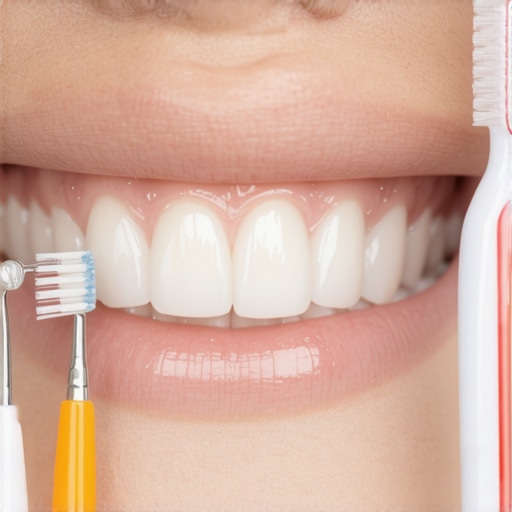
Using the right brushing method is crucial. I remember a morning when I aggressively scrubbed my teeth, thinking more pressure cleaned better. Instead, I accidentally damaged my gums and missed the plaque at the gumline. Remember to hold your toothbrush at a 45-degree angle and gently circularly brush each tooth surface for about two minutes. Use a soft-bristled brush and replace it every three months to ensure effective cleaning. This simple but effective step prevents plaque from accumulating and hardening into tartar. To get professional tips, visit expert oral health advice.
Incorporate Flossing into Your Routine
Flossing is often overlooked but vital. I once skipped flossing for a week, and I felt my gums bleed the next time I flossed, a clear sign I needed better daily habits. Choose a quality floss and glide it gently between teeth, curving it around each tooth in a C-shape. Be thorough but gentle to avoid gum irritation. Flossing removes plaque and food debris that brushing alone can’t reach, especially below the gumline, preventing future tartar buildup. For detailed techniques, check out teeth cleaning techniques.
Use Mouthwash as an Extra Defense
Mouthwash adds another layer of protection. I started using antimicrobial rinse after brushing and flossing, noticing less plaque and fresher breath. Choose a mouthwash with fluoride and antibacterial properties. Swish for 30 seconds, ensuring it reaches all areas of your mouth. This step helps neutralize bacteria and prevents plaque from reforming quickly, especially in hard-to-reach areas. Don’t skip this step if you want a comprehensive approach to oral hygiene. For recommendations on the best products, visit oxygen-infused cleaning methods.
Timing Your Routine Correctly
Consistency is key. I made the mistake of sometimes brushing late at night, leaving behind plaque that could mineralize overnight. Establish a routine: brush twice daily, once in the morning and once before bed. Dedicate two full minutes, and don’t rush through it. Incorporate flossing and mouthwash immediately after brushing for maximum effect. Set reminders or use a timer to keep yourself accountable. This regularity prevents plaque from lingering and hardening, avoiding costly procedures down the line. Learn more about maintaining habits at maintaining oral health.
Visit Your Dentist Regularly
No matter how diligent you are, professional cleanings are irreplaceable. I remember a check-up where my dentist used innovative ultrasonic technology that removed stubborn tartar I couldn’t do myself. Schedule visits every six months, or as advised, to catch issues early. Dentists can remove tartar that has already mineralized, preventing gum disease and cavities. Regular professional cleanings also help identify problems before they escalate. Routine visits ensure your oral health remains optimal, protecting your investment in your smile. For insights into modern dental technology, see latest cleaning innovations.
Many individuals believe they understand the basics of oral health, but in reality, there’s a significant gap between common perceptions and the nuanced truths that experts recognize. One prevalent myth is that brushing harder eliminates more plaque—however, this can do more harm than good, leading to gum recession and enamel damage. In my experience, gentle, thorough brushing with a soft-bristled brush is far more effective and safe. A common mistake is neglecting the importance of biofilm management. Regularly, patients focus solely on tartar removal but overlook the critical role of maintaining healthy biofilms to prevent plaque hardening altogether. Advanced strategies like targeted antimicrobial agents, when integrated properly, can disrupt these microbial communities before they mineralize into tartar, as detailed in recent studies on microbiome management. Have you ever fallen into this trap? Let me know in the comments. Another misconception involves cosmetic dentistry, where many believe veneers require aggressive tooth reshaping. The latest innovations, such as bio-glass bonding and nano-veneers, now allow for minimally invasive options that preserve tooth integrity while delivering stunning results. These treatments exemplify how understanding the nuances can elevate aesthetic outcomes without compromising oral health. Moreover, many underestimate the importance of family dentistry’s layered approach—it’s not just about routine cleaning but also about early detection of systemic issues that manifest in the mouth, such as diabetes or vitamin deficiencies. Recognizing these subtle signs enables proactive health measures, a strategy supported by leading experts in holistic dentistry. Delving into the advanced mistakes, one common oversight is delaying professional cleanings under the assumption that home care suffices. Studies confirm that professional interventions, especially with emerging technologies like laser and nano-pulse cleaning, are vital to control and prevent plaque mineralization effectively. To explore these innovations further, visit why oxygen-infused cleaning beats traditional methods. Lastly, the misconception that cosmetic procedures are purely superficial can be dangerous; when performed with understanding of tissue compatibility and biological response, these treatments can actually improve underlying periodontal health, acting as a preventive measure. Recognizing these hidden nuances in dentistry underscores the importance of consultation with truly knowledgeable professionals. By appreciating the complexities beyond surface-level routines, you can safeguard your oral health more effectively and achieve that radiant smile that reflects overall well-being.
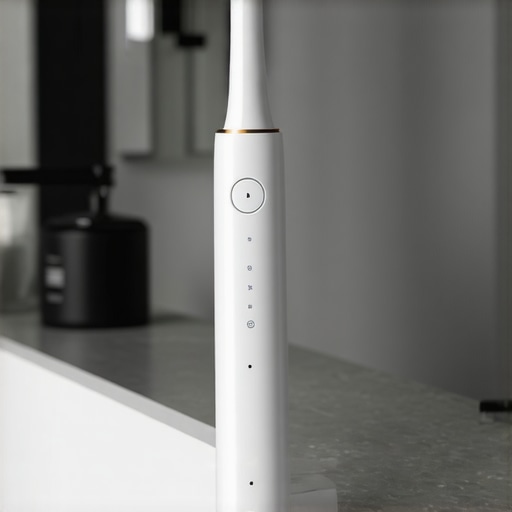
Maintaining optimal oral health is an ongoing process that benefits immensely from the right tools and consistent routines. Over the past few years, I’ve integrated specialized equipment and software that revolutionize my approach, ensuring my teeth stay healthy and radiant. One device I swear by is the Sonicare DiamondClean Smart toothbrush. Its multiple cleaning modes and real-time feedback help me target plaque buildup effectively, especially in hard-to-reach areas. Plus, its Bluetooth connectivity syncs with my phone, allowing me to track my brushing habits and guarantee I meet the two-minute recommended duration every session.
For interdental cleaning, I transitioned from traditional floss to the Waterpik Sonic-Fusion. The benefit? It combines water flossing with brushing, making my routine more efficient and thorough. The water jet’s pulsations effectively disrupt biofilms without damaging gum tissue—a feature supported by scientific studies on water flossing. I recommend integrating this device into your daily hygiene to prevent tartar formation and maintain healthy gums over time.
On the software side, I use the Dental Monitoring app to schedule virtual check-ins with my dentist. This innovative platform allows me to upload photos, receive professional feedback, and catch potential issues early, saving time and avoiding more invasive procedures later. As dental technology advances, I predict that tele-dentistry tools will become standard for family practices, making consistent oral health maintenance accessible and convenient for everyone.
How do I maintain these tools over time? Regular cleaning of electronic brushes with isopropyl alcohol, replacing brush heads every three months, and syncing digital devices monthly keeps everything functioning optimally. Additionally, updating app software ensures you always benefit from the latest features and security enhancements. A well-maintained toolkit guarantees your long-term success in oral health, making professional cleanings and check-ups even more effective.
If you’re ready to elevate your dental routine, I recommend starting with an advanced toothbrush like the Sonicare DiamondClean. Its superior plaque removal and connectivity features have transformed my approach to daily maintenance. Incorporating tools like water flossers and tele-dentistry apps not only saves time but also provides a comprehensive defense against tartar buildup and gum disease.
Looking ahead, I believe the trend towards integrated, smart dental tools will continue to grow, providing personalized insights and real-time feedback that can keep your smile shining for decades. To deepen your knowledge on proven techniques, check out the ultimate guide to teeth cleaning techniques and benefits. Don’t wait—try one of these modern tools today and watch your smile transform!
The Hidden Lessons I Learned About Oral Health That Changed My Approach
One of the most eye-opening realizations was realizing how much neglecting minor habits could sabotage my entire oral health plan. I used to think that a quick brush before bed was sufficient, but I discovered that consistent, mindful routines prevent plaque from ever turning into stubborn tartar. Additionally, I underestimated the power of emerging technologies like nano-pulse cleaning, which effectively targets mineralized plaque without aggressive scraping, saving me discomfort and cost. The biggest lesson? Prevention is a blend of smart routines and staying ahead with the latest innovations—something I wish I had embraced sooner to protect my smile and wallet in 2026.
Tools That Transformed My Dental Care Game
My go-to arsenal includes the Sonicare DiamondClean Smart toothbrush, which offers real-time feedback and multiple modes designed for thorough cleaning. Paired with the Waterpik Sonic-Fusion, it combines brushing and water flossing, making interdental cleaning effortless and more effective in removing biofilms before they mineralize. The Dental Monitoring app keeps me connected with my dentist for quick virtual check-ins, ensuring early detection of potential issues. These tools, combined with expert-approved resources like the ultimate guide to teeth cleaning techniques, help me maintain a high standard of oral health daily, even with a busy schedule.
Your Next Step Toward a Radiant Smile Starts Today
Remember, your smile reflects your overall well-being, and in 2026, staying proactive with the right habits and technology makes all the difference. Don’t wait until minor problems turn into costly repairs—embark on your journey toward healthier teeth and gums today. Small, consistent changes now can lead to significant long-term benefits, keeping your smile vibrant and confident for years to come. Are you ready to incorporate these innovative practices into your routine and experience the transformation firsthand? Drop your thoughts below—I’d love to hear your experiences or questions on mastering oral health in 2026 and beyond.