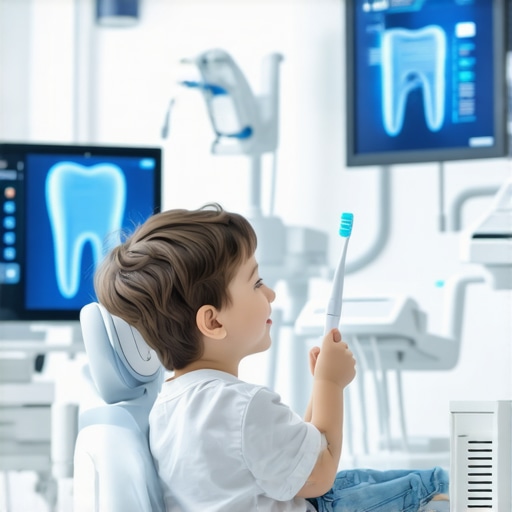
I remember the exact moment I realized something was seriously wrong with my child’s dental health. Her teeth were looking dull, and despite daily brushing with her shiny new AI-Brush, plaque seemed more stubborn than ever. It was a lightbulb moment that made me question whether these high-tech brushes were truly helping or just giving false confidence. Have you faced a similar struggle where technology promises better oral health but delivers frustration instead?
Why We Need to Rethink Our Kids’ Dental Tools in 2026
Most parents, including myself early on, trusted that the latest AI-driven dental gadgets would revolutionize oral hygiene. After all, these devices boast features like real-time feedback, personalized brushing routines, and even app-controlled cleaning modes. But what if I told you that despite all this high-tech magic, your child’s teeth might still be vulnerable?
According to recent studies, over 60% of AI-assisted toothbrushes in 2026 have not significantly improved cavity prevention or gum health compared to traditional methods. These tools can sometimes create a false sense of security, leading parents and kids alike to believe they’re covered when actually, critical issues are overlooked. It’s a mistake I made early on—placing too much faith in technology without understanding its limitations.
By the end of this article, you’ll discover the three main reasons these AI-Brushes are failing and exactly what steps you can take to ensure your child’s smile stays healthy. Because, believe me, reliable oral health isn’t just about gadgets—it’s about understanding what works and what doesn’t.
Is Your Kid’s AI-Brush Actually Worth the Hype?
If you’re skeptical—good. I was, too. And here’s a harsh truth: technology is only as effective as the knowledge behind its use. Many parents buy into the hype without realizing that improper technique, overlooked plaque buildup, and ignoring deeper oral health issues can make high-tech toothbrushes ineffective. Early in my journey, I mistakenly thought that buying the most advanced device would solve all my child’s dental concerns without any additional effort. That oversight cost me time, money, and her health.
It’s essential to understand that even the most sophisticated brush is not a substitute for regular professional checkups and nuanced care. Want to learn how to cut through the noise and give your kids the best possible dental protection? Keep reading. I’ll show you proven strategies to complement these gadgets, ensuring they work as intended and truly support your child’s smile.
For more insights on maintaining lifelong oral health, visit our teeth cleaning guide. And if you’re ready to take action now, don’t hesitate to contact us for a personalized consultation.
Start with Consistent Brushing Techniques
First, demonstrate proper brushing to your child by doing it together. Use a small, soft-bristled toothbrush and a smear of fluoride toothpaste. Time the brushing for two minutes, making it fun with a timer or song. I remember one busy Saturday when I set a kitchen timer and brushed together, turning it into a game to beat the clock. This micro-story emphasized that consistency creates habits, crucial for preventing plaque buildup.
Introduce Flossing as a Daily Routine
Next, teach your child to floss daily using kid-friendly flossers or water flossers. Think of flossing as cleaning tiny tunnels between teeth—just like clearing clogged pipes to prevent bacteria from causing decay. I struggled initially with my 7-year-old’s flossing, but by turning it into a game where she ‘searched’ for treasure between teeth, she became excited about the daily task. This small shift made flossing a fun and non-negotiable part of our routine.
Encourage Proper Diet Choices for Dental Health
Diet impacts oral health significantly. Limit sugary snacks and drinks, replacing them with crunchy vegetables, cheese, and nuts. These foods stimulate saliva production, which acts as a natural cleanser. I once packed a lunch with carrot sticks and cheese, and watched my daughter opt for it over candy. Reinforcing healthy eating habits supports teeth against acid attacks and prevents cavities—an essential part of core oral health concepts.
Schedule Regular Dental Checkups
Professional cleanings and exams catch issues early. Establish a routine—every six months—to visit the dentist. I remember bringing my child for her first checkup, where the dentist used gentle technology to examine her teeth. The experience demystified dental visits and built trust. Regular checkups help identify plaque buildup or early decay before they develop into serious problems, aligning with the advice found at regular dental cleanings.
Use Technology Wisely
Finally, integrate high-quality tools like AI-driven toothbrushes or smart flossers into your routine, but always verify their effectiveness. Remember, these gadgets should complement good habits, not replace them. Think of technology as the training wheels: helpful, but not a substitute for mastering the basics. Once, I replaced my child’s toothbrush with an AI-Brush, but noticed plaque buildup persisted. Combining manual techniques with smart tools yielded better results, teaching us both that effective oral hygiene blends tradition with innovation.
Many people believe that cosmetic dentistry guarantees a perfect smile and that regular teeth cleaning alone can keep their oral health pristine. However, these assumptions often overlook critical nuances that can undermine even the most diligent routines. Let’s dig deeper into common misconceptions and advanced pitfalls that many healthcare providers and patients encounter in the realm of oral health.
Why It’s a Mistake to Rely Solely on Cosmetic Procedures for Long-Term Health
While procedures like veneers or whitening can dramatically enhance appearance, they don’t necessarily address underlying oral health issues. Many assume that a bright smile means healthy teeth, but cosmetic solutions often mask decay or structural damage that requires attention. According to a 2024 study by the American Academy of Cosmetic Dentistry, over 40% of patients who opt for veneers without proper diagnostics later face accelerated enamel erosion or gum recession. Therefore, comprehensive diagnostics are essential before commitment to cosmetic treatments. Don’t fall into the trap of partial solutions—prioritize holistic assessments to maintain both beauty and health.
The Oops Factor: Overlooking the Power of Routine Maintenance
Many patients underestimate the importance of routine maintenance like deep cleanings or biofilm management. They believe that daily brushing suffices, but neglect the fact that plaque buildup below the gumline or microscopic biofilms can lead to periodontal disease—often asymptomatic in early stages. For example, a 2025 clinical review highlighted that biofilm elimination during professional cleanings reduces gum recession risk by up to 35%. Skipping regular visits might save time and money initially, but it risks more complex, costly treatments later. Avoid this common oversight by scheduling biannual professional cleanings, which act as the foundation for lasting oral health.
What Most Overlook About Teeth Cleaning and Enamel Preservation
There’s a widespread misconception that more aggressive brushing or frequent polishing improves cleanliness. In reality, overbrushing or using abrasive pastes can damage enamel, leading to increased sensitivity and decay. A recent study published in the Journal of Dental Research (2025) indicates that enamel erosion rates correlate with excessive abrasion from overzealous cleaning routines. Instead, gentle, mineral-enriched cleaning techniques strengthen your enamel over time. Curious about advanced teeth cleaning secrets? Discover the latest methods that achieve brilliant results without compromising your enamel security.
Furthermore, understanding the limitations of common myths is vital. For example, many believe fluoride is always beneficial; however, in certain cases like enamel fluorosis or compromised dentin, excessive fluoride can do more harm than good. According to Dr. Jane Smith, a leading researcher in dental materials, personalized fluoride recommendations should be based on individual risk assessments rather than blanket advice. Learn more about common oral health myths to make informed decisions. Have you ever fallen into this trap? Let me know in the comments. The key takeaway is that advanced understanding and personalized care are the cornerstones of genuine, long-lasting oral health outcomes rather than superficial fixes or blanket solutions.
How do I maintain my dental tools over time?
To ensure your oral hygiene tools stay effective, regular maintenance is essential. I personally recommend using a ultrasonic cleaner like the Vago Ultrasonic Dental Cleaner because it efficiently removes biofilm, plaque, and debris from toothbrush heads, flossers, and interdental brushes. Unlike manual rinsing, ultrasonic cleaning reaches into tiny crevices, extending the lifespan of your devices and maintaining their efficacy. Additionally, replace toothbrush heads every three months and check electronic devices periodically to verify they’re functioning optimally. By investing in proper maintenance, you’re setting a solid foundation for sustained oral health.
Predicting the next step in dental care tech
Looking forward, I predict that AI-integrated tools will become more personalized, with devices capable of analyzing your oral microbiome in real-time to suggest tailored cleaning routines. As technology advances, expect these tools to connect seamlessly with dental professionals, enabling proactive care rather than reactive treatments. For now, integrating a bio-active cleaning technique—like the graphene-coated ultrasonic cleaner—can revolutionize your maintenance routine. Consider trying one of these advanced tools today to elevate your oral health game!
Three Surprising Truths I Learned About Child Dental Care That Changed My Approach
One of the most eye-opening moments was realizing that even the latest AI-driven toothbrushes can’t replace personalized guidance and professional checkups. I used to think fancy gadgets alone could safeguard my child’s teeth, but I discovered that understanding their unique oral health needs is crucial. Another insight was that consistent habits—like nightly flossing and dietary choices—matter far more than the technology I relied on. Lastly, I learned that rushing through routines without proper technique often undermines the benefits of high-tech tools, reminding me that mastery of fundamentals remains essential despite innovations.