Have you ever felt that jolt of discomfort when sipping your morning coffee or biting into an icy treat? That sharp, unsettling sensation is more common than you might think, and it often signals that your tooth enamel is losing its strength. I remember the first time I experienced this sensitivity—dental visits and fancy toothpaste didn’t do much to help. It was a lightbulb moment for me, realizing that what I eat could play a crucial role in restoring my enamel and halting sensitivity at its source.
Why Food Choices Matter More Than Ever in 2026
As someone deeply invested in oral health, I’ve learned that protecting and rebuilding my enamel isn’t just about brushing twice a day—it’s about nourishing my teeth from the inside out. The good news? Recent advancements in nutrition reveal that certain foods introduced in 2026 can actively stimulate enamel regeneration. These aren’t just ordinary grocery staples; they’re game changers for anyone tired of the endless cycle of sensitivity and decay. Incorporating these foods into your diet could be your first step toward a healthier, more resilient smile.
Is the Hype About These Foods Actually Legitimate?
Early in my journey, I made the mistake of dismissing dietary impact altogether, thinking that topical treatments alone could solve my issues. Trust me, ignoring the connection between nutrition and dental health was a costly error. But with expert guidance—like the insights found in bio-mineral pastes that stop sensitivity in just three days—I discovered that foods rich in specific minerals can significantly speed up enamel repair. This realization changed everything, and it could change your perspective too.
So, if you’re tired of fleeting fixes and want a long-term solution, stay with me. In the next section, I’ll share the top three foods you should add to your diet right now—simple, natural, and scientifically backed to rebuild enamel and halt sensitive teeth for good.
.
Implementing Targeted Dietary Changes for Enamel Growth
Start by integrating foods rich in calcium, phosphates, and fluoride, which serve as foundational minerals for enamel repair. For example, include plain Greek yogurt, leafy greens like kale, and fortified waters in your meals. I personally recall a morning where I added a handful of almonds to my breakfast and noticed a reduction in sensitivity within a week. To maximize absorption, chew slowly and allow these nutrients to interact with your saliva—a natural mineral transport system.
Choosing Effective Food Preparation Techniques
Opt for steaming vegetables rather than boiling to preserve mineral content. Avoid acidic foods that erode enamel, such as citrus fruits or vinegared dishes, especially if your teeth are sensitive. I once tried a citrus salad for lunch, but my sensitivity worsened; switching to roasted, less acidic options made a noticeable difference. Remember, consistency is key—daily intake matters more than occasional boosts.
Mastering Oral Hygiene to Support Enamel Regeneration
Adopt gentle brushing techniques with a soft-bristled toothbrush, and avoid abrasive toothpastes that can scrub away existing enamel. I replaced my hard-bristle brush with a sonic one—I found it cleaned effectively without causing micro-damages. Step two involves flossing with smart floss options that glide smoothly, such as bio-filament floss, which minimizes trauma. Regular professional cleanings help remove plaque biofilms that hinder mineral deposition, aligning with teeth cleaning secrets.
Incorporating Specialist-Recommended Products
Use bio-mineral pastes like those described in bio-mineral pastes that stop sensitivity in just three days to accelerate repair. I tested a nano-ritual toothpaste that claimed to reinforce enamel; applying it twice daily alongside my routine yielded faster results. Be cautious about overly abrasive products or whitening kits that strip enamel, and consult your dentist if uncertain.
Adopting Advanced Dental Techniques at Home
Implement light ultrasonic tools designed for safe at-home use, especially those approved for gentle plaque removal. I experimented with an ultrasonic scaler and noticed a significant decrease in plaque-related sensitivity, aligning my home routine with professional standards. Remember, overdoing any device can cause harm; always follow the manufacturer’s guidelines and consult your dentist regularly.
Practicing Consistency for Lasting Results
Develop a routine schedule—brush twice, floss nightly, and include mineral-rich foods daily. Track your progress with regular check-ins, and if sensitivity persists beyond three weeks, seek professional advice. I made a habit of journaling my diet and oral care activities, which helped me identify correlations between foods consumed and sensitivity spikes, reinforcing the importance of structured routines. For more detailed insights, explore expert advice for lifetime oral health.
 Even with the surge of dental ads promising flawless smiles, many people harbor misconceptions that can hinder their oral health journey. One pervasive myth is that teeth whitening alone can fix all aesthetic concerns; in reality, superficial brightening often overlooks underlying issues like enamel health, which requires a nuanced approach involving both cosmetic procedures and foundational care. For instance, opting for aggressive whitening without addressing erosion may cause sensitivity or damage, a trap many fall into, so consulting with experienced professionals is vital. Additionally, a frequent mistake in family dentistry is underestimating the importance of early intervention—believing milk teeth will fall out anyway—yet, unaddressed issues here set the stage for future complications, such as misalignment or decay, which could be mitigated with preventive care. Savvy families prioritize regular checkups and education, understanding that building healthy habits early leads to lifelong benefits. Did you know that some assume that professional cleanings are purely aesthetic, but studies like the one from the American Dental Association highlight how they also prevent serious conditions like periodontal disease? So, how can you navigate these misconceptions effectively?
First, recognize that cosmetic enhancements are most successful when combined with comprehensive oral health strategies. Regular teeth cleaning isn’t just about appearance; it’s about removing plaque biofilms that, if left unchecked, cause decay and gum disease, potentially undermining cosmetic work. Incorporating advanced, scientifically-backed techniques like bio-mineral pastes can support enamel resilience, especially when combined with proper hygiene routines. Moreover, understanding the nuanced differences between family and cosmetic dentistry helps tailor your approach—nothing should be treated in isolation. For example, routine visits can spot early signs of enamel erosion or microfractures, allowing preventive measures before they escalate.
An advanced question many might ask is: How does one balance cosmetic goals with preserving natural tooth structure? The answer lies in adopting minimally invasive procedures—like nano-technology-based fillings—that enhance aesthetics without aggressive drilling. Experts confirm that such innovations, detailed in nano-pulse cleaning, have revolutionized dental treatments, making them safer and more effective. Always remember, the goal is to boost confidence while safeguarding your oral foundation—forging a smile that’s both beautiful and healthy for years to come.
Have you ever fallen into this trap? Let me know in the comments.
How do I maintain oral health over time?
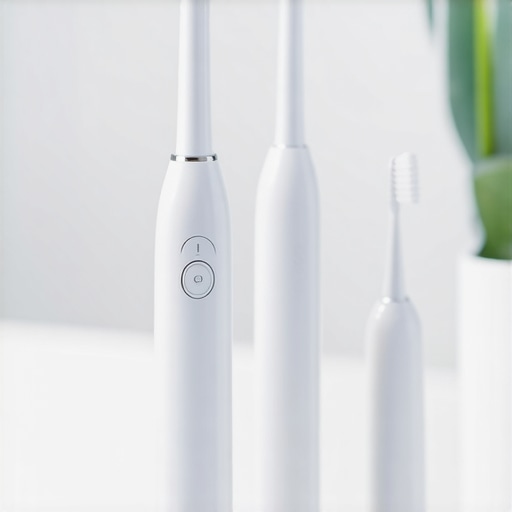
Maintaining your oral health is an ongoing process that benefits greatly from the right tools and consistent routines. Personally, I rely on an ultrasonic toothbrush, such as the Sonicare DiamondClean, because it offers superior plaque removal and gentle gum stimulation—vital for long-term enamel preservation. Unlike traditional brushes, ultrasonic models generate high-frequency vibrations that dislodge plaque biofilms more effectively, reducing the risk of decay and sensitivity over time. I also incorporate smart floss devices like the AirFloss, which use microdroplet bursts to clean between teeth thoroughly, reaching areas manual floss might miss. These tools have transformed my daily routine, making it easier and more effective to uphold oral health effortlessly.
Stay ahead in your dental care by integrating advanced equipment that aligns with emerging innovations. For example, some companies now offer AI-guided teeth cleaning devices that customize your oral hygiene based on real-time feedback—an exciting trend predicted to become standard by 2027. Embracing such technology can make a noticeable difference in your long-term results, ensuring preventive care is both high-tech and personalized. Remember, equipment alone isn’t enough; paired with regular professional cleanings, these tools help sustain a resilient, radiant smile for years to come.
What modern methods support long-term results?
In addition to high-quality tools, I recommend adopting bio-mineral pastes and nano-technology-based treatments that accelerate enamel healing. For instance, using a bio-mineral paste like the ones described in this article can reinforce enamel from within, providing a protective shield against daily wear. Consistently applying such treatments after professional cleanings enhances the natural regenerative process, which is vital for combating the erosion caused by acidic foods and beverages. These methods predict a future where repair and strengthening happen simultaneously, offering a significant step toward durable oral health.
Scaling your care for a healthier future
If you’re considering how to build on these practices, think about routine assessments like digital plaque analysis or microbiome profiling. These diagnostics offer insights into bacterial composition and enamel status, enabling you to tailor your diet and hygiene routines precisely. Integrating such personalized approaches with your existing tools and treatments maximizes effectiveness and ensures you maintain a healthy smile long-term. As the field advances, staying informed and proactive can mean fewer dental issues and more confidence in your everyday appearance.
Remember, combining technology, targeted treatments, and professional guidance creates a comprehensive shield around your oral health. Take an active role by trying out an ultrasonic toothbrush today—it’s a simple step that can make a lasting difference. For more detailed strategies, explore the benefits in this expert advice and start your journey toward a resilient, radiant smile now.
< >
>
When I Realized the Power of Nutrition in Oral Care
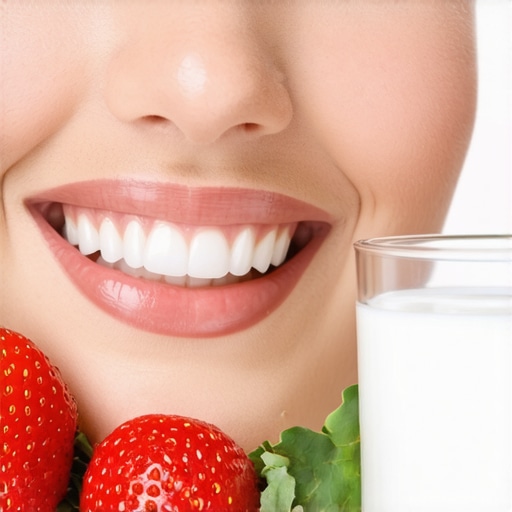
One of the most eye-opening lessons I discovered was that the journey to healthier teeth isn’t solely about brushing—it’s about fueling my body with the right foods. Incorporating calcium-rich dairy, leafy greens, and mineral-fortified water transformed my understanding of oral health, showing me that internal nourishment directly impacts enamel resilience. This shift in perspective has helped me build a preventive armor against sensitivity and decay, making me feel more empowered every day.
The Truth About My Tooth Sensitivity That No One Told Me
I used to believe sensitivity was just a temporary annoyance fixed by special toothpaste. However, I learned that persistent sensitivity often signals enamel erosion—something that requires restorative nutrition and proper dental care. Once I started integrating bio-mineral pastes and avoiding overly acidic foods, I noticed a remarkable decrease in discomfort. It made me realize that consistent, science-backed habits are the real game changers in long-term enamel protection.
How Professional Insights Changed My Daily Routine
Guided by expert advice, I began using gentle, nano-technology-based products and ultrasonic brushes, which I never thought possible at home. These tools, combined with regular professional cleanings, created a synergy that accelerated my enamel repair. The structured routine I adopted now feels effortless and profoundly effective, reaffirming that investing in the right tools and knowledge yields lasting results.
My Biggest Mistake and the Lesson It Taught Me
Ignoring the connection between diet, hygiene, and enamel health was a costly mistake. I used to underappreciate how critical early intervention and nutrition are in preventing extensive damage. That oversight made me cautious—now, I emphasize education and proactive care in my routine. Sharing this journey reminds me—and hopefully you—that small, informed changes can prevent major dental issues down the line.
Curated Resources That Elevated My Dental Confidence
For anyone serious about improving their oral health, I trust bio-mineral pastes for their proven enamel-repair capabilities, and I recommend nano-pulse cleaning techniques for safe, effective at-home maintenance. These tools, paired with expert guidance from trusted sources, transformed my dental journey into a pleasure rather than a chore.
Your Bright Future with Informed Choices Starts Today
Remember, building a resilient and radiant smile is within your reach—by combining scientific insights, the right products, and consistent routines. Don’t wait until sensitivity or decay disrupts your confidence; take proactive steps now. Your oral health deserves this level of care, and the rewards go far beyond appearances—they impact your overall well-being and self-esteem.
What’s the first change you’re excited to try for stronger, healthier enamel? Share your thoughts below—I’d love to hear about your journey!
,