
Have you ever finished your daily routine, only to notice your breath still isn’t fresh? I remember the feeling all too well—brushing, flossing, and swishing with mouthwash, expecting a burst of freshness. But sometimes, my breath seemed just as bad—or even worse—after using those so-called freshening products. That unsettling realization was a lightbulb moment for me, and it might be for you too.
Why Your Mouthwash Might Be Sabotaging Your Breath
For years, I blindly trusted that alcohol-based mouthwashes were the magic solution for bad breath. I thought they were killing bacteria and leaving my mouth smelling great. But it turns out, some ingredients in these rinses could be doing more harm than good. Specifically, alcohol can dry out the mouth, creating an environment where bacteria thrive, leading to persistent bad breath rather than eliminating it.
Is Mouthwash Actually Worth the Hype?
I made a mistake early on—believing that rinsing with alcohol-laden mouthwash was a quick fix. I didn’t realize that overusing these products could weaken my oral health in the long run. As I dug deeper, I found studies indicating that excessive use of alcohol-based mouthwashes can contribute to dry mouth and increased plaque buildup, which directly impacts breath quality. If you’re tired of fighting a losing battle with your breath, it might be time to reconsider your routine.
Master Your Daily Brushing Technique
Start by using a soft-bristled toothbrush and replace it every three months. Position the brush at a 45-degree angle to your gumline, and use gentle circular motions to clean each tooth thoroughly. I once struggled with aggressive brushing, causing gum irritation, until I learned this proper technique from a family dentist. Practicing this reduces gum recession and preserves enamel.
Incorporate Flossing into Your Routine
Flossing reaches areas a toothbrush can’t, dislodging plaque between teeth. Slide the floss gently up and down, curving around each tooth. I once overlooked this step, leading to early cavities, until I committed to nightly flossing, which significantly improved my breath and prevented gum disease. Consistent flossing is vital for maintaining healthy interdental spaces.
Use Mouthwash Wisely
Select an alcohol-free, antimicrobial mouthwash to reduce bacteria without drying your mouth. Swish for 30 seconds, ensuring coverage of all areas. I experimented with different rinses after meals, noticing less bad breath and plaque buildup. Remember, mouthwash complements brushing and flossing, not replaces them.
Pay Attention to Tongue Cleaning
The tongue harbors bacteria that cause bad odors. Use a tongue scraper or brush your tongue gently each morning. I added this step into my routine, which noticeably freshened my breath and improved my taste buds’ sensitivity. A clean tongue contributes significantly to overall oral freshness.
Monitor Your Diet
Avoid sugary snacks and beverages that feed plaque-forming bacteria. Instead, opt for crunchy vegetables, nuts, and cheese that promote saliva production and neutralize acids. Once, I replaced soda with water infused with lemon, leading to whiter teeth and fresher breath. Dietary choices play a crucial role in oral health maintenance.
Schedule Regular Professional Cleanings
Visit your dentist at least twice a year for professional cleaning, which removes tartar buildup and monitors your oral health. I learned this the hard way after ignoring routine visits, resulting in cavities. Authentic family dentistry emphasizes preventive care, helping you avoid costly procedures down the line.
Discover quick teeth cleaning secrets for a brighter smile. Implementing these concrete steps can dramatically improve your oral hygiene, ensuring fresher breath and healthier teeth over time.
Many of us grow up believing that routine dental visits and simple brushing habits are enough to maintain optimal oral health. However, as an expert in the field, I can tell you that common beliefs often mask nuanced truths that can significantly impact your dental outcomes. For instance, a prevalent myth is that all teeth whitening procedures are equally effective and safe. In reality, some cosmetic treatments may do more harm than good if not properly tailored to your unique oral environment. Understanding these subtleties is crucial for making informed decisions about your dental care.
Why Do So Many People Overlook Dental Sealants and Their Role?
Many think dental sealants are only for children, but in fact, they offer excellent protection for adults too—especially those prone to cavities. Yet, I see patients skipping this simple yet effective barrier due to misconceptions about cost or necessity. Applying sealants properly can prevent decay in deep grooves and fissures, which are often hard to clean thoroughly. Neglecting this can lead to avoidable restorations down the line, making sealants a vital part of comprehensive oral health management. For advanced insights on how to enhance your family’s dental protection, visit this detailed guide on family dentistry.
What common mistakes trip up even diligent brushers?
Despite good intentions, many individuals make advanced mistakes that undermine their oral hygiene. For example, overbrushing or using improper techniques can wear down enamel and gum tissue, leading to sensitivity and recession. I often advise proper brushing with a soft-bristled brush at a 45-degree angle, emphasizing gentle circular motions over aggressive scrubbing. Additionally, neglecting interdental cleaning—such as flossing or using interdental brushes—allows plaque to hide in gaps, fueling decay and gum disease. Regular professional cleanings are equally essential—they help remove tartar that cannot be eliminated at home. Want to unlock the secrets to effective teeth cleaning? Check out this quick guide.
Advanced Oral Care Mistakes You Might Be Making
One overlooked nuance involves the use of harsh whitening pastes or over-the-counter whitening strips, which can erode enamel if used improperly or excessively. The key is to balance cosmetic improvements with preserving enamel integrity—this is where professional guidance makes all the difference. Also, many fail to consider the implications of diet and saliva production on oral health. For example, high sugar intake fosters plaque bacteria, but so does dry mouth—often caused by hydration habits or certain medications. Recognizing the interplay between these factors prevents unnecessary damage and improves long-term health.
Understanding these advanced nuances can dramatically elevate your dental routine. For tailored advice that covers every aspect of maintaining a healthy, beautiful smile, consider consulting with your dentist or exploring this trusted resource on oral health maintenance. Remember, being proactive and informed allows you to avoid common pitfalls and embrace the most effective strategies for your dental journey. Have you ever fallen into this trap? Let me know in the comments.
How do I maintain oral health over the long haul?
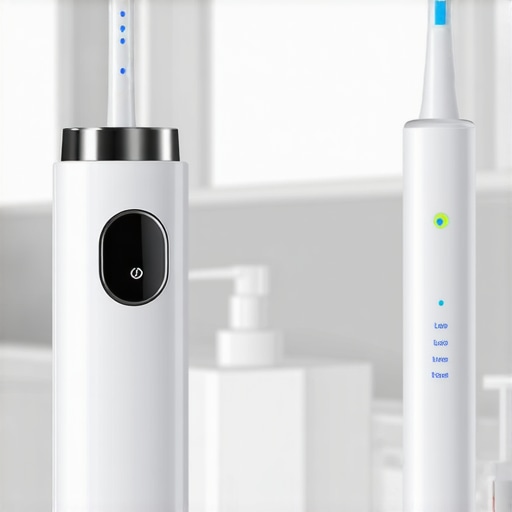
Maintaining a vibrant and healthy smile requires more than just brushing and flossing. Investing in the right tools can make all the difference in your dental routine. One device I personally recommend is the Waterpik Sonic-Fusion. This innovative combo combines a toothbrush and water flosser, allowing for thorough cleaning and interdental care in one, saving time and enhancing results. Its pulsating water jets effectively dislodge plaque from hard-to-reach areas, which traditional brushing might miss. Regular use has shown to significantly reduce gingivitis and improve overall gum health, making it an excellent long-term investment.
Additionally, I swear by the Emmident Sonic Toothbrush, which has an oscillating-rotating head with a smart timer. It signals when you’ve spent enough time on each quadrant, ensuring that you don’t unknowingly under-clean or over-brush certain areas. Its gentle bristles protect your enamel, especially if you tend to brush aggressively.
Beyond physical tools, I advocate for using digital apps like Brush DJ. This free app plays two minutes of your favorite music, guiding you to brush for the recommended duration. It’s a simple yet effective way to keep your routine consistent, especially when busy or distracted. When combined, these tools create a disciplined, effective, and enjoyable oral hygiene routine that can serve you well for decades.
Looking ahead, the future of oral health is leaning toward smart technology integration—think toothbrushes that sync with apps to track your brushing habits or AI-driven diagnostics that monitor early signs of dental issues. Staying at the forefront of these innovations ensures you’re proactive about your dental care.
What about maintaining cosmetic enhancements over time?
To preserve cosmetic investments like veneers or whitening treatments, I recommend a high-quality whitening pen, such as Opalescence GO, for touch-ups. These products allow you to maintain brightness between professional visits without frequent re-bleaching. Remember, avoiding stain-causing foods and beverages—like coffee and red wine—also plays a crucial role. Regular check-ins with your dentist can help assess the integrity of your cosmetic work and catch any early signs of wear or discoloration.
Incorporating these tools and habits into your routine creates a durable foundation for long-term oral health. Regularly updating your methods based on technological advances can lead to even better outcomes. For example, consult a professional about emerging laser technologies that aid in deeper cleaning or gum health enhancement—like laser gum therapy, which I’ve seen significantly improve prognosis for periodontal issues.
If you’re ready to elevate your daily routine, I highly recommend trying the Waterpik Sonic-Fusion. It combines ease-of-use with proven results in maintaining healthy gums and teeth—an investment that pays dividends in your future smile. Want personalized advice on selecting the best tools? Contact your family dentist today and take the first step toward a lifetime of radiant oral health.
Lessons I Wish I Learned Sooner About Oral Health
- I once believed that brushing alone was enough, but discovering the importance of flossing and tongue cleaning truly transformed my smile and breath. Small habits yield huge benefits.
- Many think that all mouthwashes are created equal; I found that alcohol-free options not only protect my enamel but also maintain natural saliva flow, which is essential for fresh breath.
- Consistent professional cleanings changed my perspective—it’s not just about maintaining hygiene but preventing problems before they start, saving pain and money in the long run.
My Toolbox for a Sparkling Family Smile
- The Waterpik Sonic-Fusion has become a game-changer—combining brushing and water flossing simplifies my routine while enhancing oral health.
- I trust the Emmident Sonic Toothbrush for its gentle yet effective cleaning, especially for sensitive areas around my gums and teeth.
- Using digital apps like Brush DJ keeps me accountable and ensures I brush for the optimal two minutes every time—no more guessing or rushing.
Your Future in a Brighter Smile Starts Today
Remember, your oral health isn’t just about aesthetics—it’s a window into your overall well-being. By integrating these personal lessons and tools into your routine, you’re investing in a healthier, more confident you. Don’t wait for dental issues to remind you—take action now and enjoy the confidence that comes with a radiant smile. Ready to make a change? Reach out to your family dentist today and start your journey toward better oral health.