![Why a 2026 Oral Health Test Beats Basic Teeth Cleaning [Case Study]](https://gentlesmiledentist.com/wp-content/uploads/2026/02/Why-a-2026-Oral-Health-Test-Beats-Basic-Teeth-Cleaning-Case-Study.jpeg)
It was a morning like any other, but as I looked in the mirror, I suddenly realized my smile wasn’t as bright as it used to be. A quick teeth cleaning had become just a routine, almost automatic part of my life, but I felt like I was missing something crucial—something that could genuinely protect my oral health long-term. That moment of clarity made me delve deeper into what truly keeps our smiles healthy beyond the standard cleanings we often take for granted.
The Hidden Power of Advanced Dental Testing
Fast forward to today, I’ve learned that the upcoming 2026 oral health tests could be a game-changer. Unlike basic teeth cleanings, which focus mainly on removing plaque and superficial stains, these innovative tests aim to identify deeper issues—early signs of decay, gum disease, and even oral cancer—that often go unnoticed until they become serious problems. Imagine catching a cavity before it even starts or detecting signs of systemic health issues through your mouth—what a difference that makes!
In my personal journey, I made the mistake of dismissing regular checkups as enough. I was convinced that a good brushing routine was all I needed. But I soon learned that ignoring the underlying causes could lead to costly procedures down the line. Early on, I overlooked the importance of comprehensive testing, which all began to change once I understood how these advanced assessments could prevent major dental issues before they worsen. The evidence is clear—early detection improves prognosis and reduces costs—and that’s precisely what these new tests offer.
Could Better Tests Save You from Expensive Repairs?
Many of us underestimate how important thorough testing is. Initially, I thought my regular cleanings were enough, but I was wrong. Skipping deeper diagnostics can often mean missing critical warning signs, leading to more invasive, expensive treatments later. A 2024 study indicates that integrating advanced dental tests can reduce costly interventions by catching problems early, saving individuals and families significant money and discomfort over time.
So, are you still relying solely on routine cleanings? If so, you might be missing out on crucial insight that could truly safeguard your smile. The question is—are you ready to go beyond surface cleaning and invest in your long-term oral health? In the sections ahead, I’ll share practical steps to make sure your dental care keeps pace with these exciting innovations. Because your smile deserves more than just a quick polish—it deserves real protection.
Integrate Advanced Dental Testing into Your Routine
Start by discussing your concerns with your dentist and inquire about upcoming 2026 oral health tests. Schedule a comprehensive assessment that includes saliva analysis, digital X-rays, or other advanced diagnostics. I once requested these tests during a routine visit, and the detailed results revealed early signs of gum inflammation that I would have otherwise ignored, allowing preemptive action instead of costly repairs.
Enhance Your Brushing and Flossing Methods
Adopt scientifically backed techniques for cleaning your teeth effectively. Use a soft-bristled toothbrush and brush at a 45-degree angle to the gums for at least two minutes, covering all surfaces. Micro-story: I once swapped my circular brushing pattern for a gentle, zig-zag motion based on the comprehensive guide. The change significantly improved my gum health over weeks.
Choose the Right Tools
Invest in an electric toothbrush with timers and pressure sensors to avoid over-brushing, which can wear down enamel. Pair it with high-quality, fluoride-rich toothpaste. I learned this lesson the hard way when my first electric brush lacked a timer, leading me to overbrush and cause minor gum recession—an avoidable mistake.
Optimize Your Flossing Ritual
Don’t just passively slide floss; use a gentle sawing motion and curve the floss around each tooth to clean below the gum line thoroughly. Try floss picks with floss threaders for tight spaces. During one busy morning, I tried a new flossing technique recommended by my hygienist, which felt awkward initially but ultimately removed more plaque, reducing bleeding gums significantly.
Adopt Targeted Whitening Safely
If cosmetic goals are on your mind, explore professional whitening options or safe over-the-counter kits. Avoid aggressive DIY methods like charcoal powders, which can harm enamel. I once experimented with a store-bought whitening strip, noticed sensitivity afterward, and promptly researched safer alternatives, saving my enamel and my smile.
Incorporate Family Dentistry Checks
Schedule regular family visits, especially for children who are developing habits early. Use family dentistry tips to create a routine that’s manageable for everyone. Once, I involved my kids in choosing their toothbrushes and allowed them to mirror my thorough cleaning, which fostered a positive attitude toward oral hygiene and prevented cavities.
Stay Consistent and Educated
Commit to daily practices and stay informed about new innovations. Regularly visiting your dentist for checkups and asking about updates in oral health strategies keeps your routine effective. My personal routine evolved as I learned more, transforming from casual brushing to a precise, evidence-based method that maintains long-term health.
While many believe that cosmetic dentistry is solely about vanity, the reality is far more nuanced. A widespread misconception is that teeth whitening or veneers are permanent solutions; however, without proper maintenance and regular checkups, these treatments can deteriorate faster than expected. For example, overusing bleaching agents or opting for cheap DIY kits can lead to enamel erosion, which ironically increases tooth sensitivity and stains, defeating the purpose of cosmetic procedures. According to recent research, untreated underlying issues like decay or gum disease can undermine cosmetic efforts, making comprehensive assessments essential before any cosmetic work—learn more about the importance of regular checkups at this guide. Another myth is that teeth whitening is suitable for everyone, but individuals with worn enamel, receding gums, or sensitive teeth should proceed cautiously, as aggressive whitening can exacerbate these problems. In fact, some advanced treatments like laser whitening offer tailored options that minimize risks, but they require expert evaluation. To avoid common pitfalls, it’s crucial to understand that cosmetic procedures should complement a solid oral health routine, which includes thorough cleaning, flossing, and professional exams—diving into effective cleaning techniques. Moreover, many overlook that family dentistry isn’t just about cleaning kids’ teeth; it’s about establishing a foundation that prevents issues from escalating into costly repairs, as discussed in family-focused strategies. The hidden nuance lies in recognizing that cosmetic dentistry is an investment in both appearance and long-term oral health, requiring a balanced approach that combines aesthetics with functional health. Have you ever fallen into this trap? Let me know in the comments.
How do I keep my smile in top shape for the long haul?
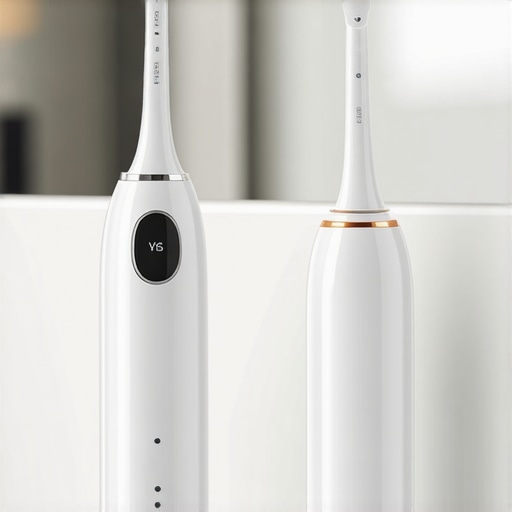
Maintaining optimal oral health requires more than just regular visits; it hinges on using the right tools and techniques consistently. I personally swear by my electric toothbrush, the Philips Sonicare DiamondClean, because its sonic technology drives away plaque and decreases gingivitis more effectively than manual brushes. It features timers and pressure sensors that ensure I brush for the recommended two minutes without applying too much force, preventing enamel erosion and gum irritation. Regular use of such a device has noticeably improved my gum health over months, and I urge everyone to consider similar technology for daily upkeep.
Beyond brushing, flossing remains crucial. I transitioned to the Waterpik Aquarius water flosser not only because it effortlessly reaches tight spaces but also because it reduces bleeding gums as I observed in my routine. Its pulsating water streams dislodge plaque where traditional floss struggles, making the process easier and more effective—particularly for those with braces or implants. Incorporating this tool into my daily routine has made a visible difference—lower inflammation and fresher breath.
In terms of whitening, I recommend the AuraGlow Teeth Whitener LED kit. Unlike over-the-counter strips, this device combines active hydrogen peroxide gel with an LED accelerator, providing faster, more uniform whitening results while remaining gentle on enamel. I’ve used it multiple times, noticing not only brighter teeth but also reduced sensitivity compared to previous DIY methods. Remember, consistent maintenance with such safe, dentist-recommended tools can extend the lifespan of your cosmetic work and protect your investment.
Thinking ahead, I predict the integration of AI-powered oral health monitoring devices will revolutionize long-term dental care. Imagine sensors that track your brushing angle, pressure, and even saliva composition—alerting you instantly to emerging issues before they become costly problems. Staying ahead with the latest innovations ensures your routines support your oral health rather than hinder it.
For those wondering, how to maintain your dental health over time, adopting these tools and techniques is a proactive step in the right direction. I suggest trying my favorite electric toothbrush and water flosser for starters; they truly elevate your daily hygiene game and might just save you from future dental emergencies.
Especially when coupled with regular checkups and professional cleanings, these tools help maintain a foundation of oral health that lasts. The key is consistency and staying informed about evolving technologies — don’t let your routine grow stale. Invest in your smile today and experience the long-term benefits firsthand.
What are some of the best tools to keep your oral health on track?
In addition to the devices I’ve shared, modern advancements like smart sensors and apps can track your oral care habits, providing valuable data that helps you improve your technique and stay motivated. Embracing these innovations ensures your routines are effective and tailored to your specific needs, which is the future of personalized dental care.
The journey toward a healthier, more confident smile often involves uncovering the less obvious lessons that can transform your dental routine. Over the years, I’ve learned that real wisdom lies not just in routine practices but in embracing new insights that challenge conventional beliefs.
What Gave Me the Wake-Up Call About My Oral Wellness
I once believed that regular brushing and flossing were sufficient, but a deeper dive into advanced dental testing revealed overlooked issues lurking beneath the surface. That “aha” moment taught me to prioritize comprehensive assessments, like saliva analysis and digital X-rays, which can detect early signs of decay or gum disease before they escalate. This proactive approach proved invaluable in maintaining my smile’s longevity and preventing expensive procedures down the line. For more insights on early detection, check out how regular teeth cleaning can prevent major issues.
Key Lessons That Changed My Perspective
- Surface cleanings aren’t enough: Delving into the nuances of oral health, I realized that superficial cleanings miss deep-seated problems. Investing in advanced diagnostics helped me catch issues early and save costs.
- Technology transforms routine care: Using tools like smart sensors and app integration, I now monitor my brushing and flossing habits, ensuring I’m optimizing my efforts. This personalized approach has made a real difference.
- Myth-busting is essential: Beliefs like “teeth whitening is risk-free” or “costly cosmetic fixes last forever” can be misleading. Regular checkups and tailored treatments are vital to preserving both beauty and health in the long run. Learn more at this guide to oral health myths.
Tools and Resources That Elevated My Dental Routine
- Philips Sonicare DiamondClean: An electric toothbrush with timers and pressure sensors, ensuring thorough and gentle cleaning—my non-negotiable for gum health.
- Waterpik Aquarius: Water flossers that reach tight spots effortlessly and reduce bleeding, especially helpful if you have braces or implants.
- AuraGlow Teeth Whitener: A professional-grade LED whitening kit that offers safer, effective results without enamel damage.
- Smart oral health apps: Devices that track your brushing pressure and habits, giving you real-time feedback and motivation to stay consistent.
Step Up for a Brighter, Healthier Future
The future of oral health is about embracing innovation, staying informed, and making intentional choices. Remember, your smile is an investment—protect it with the best tools, expert advice, and a proactive mindset. Every positive change you make today lays the foundation for a lifetime of confidence and well-being.
Are you ready to see beyond surface treatments and truly understand your oral health potential? Share your experiences or questions below—let’s keep the conversation going!