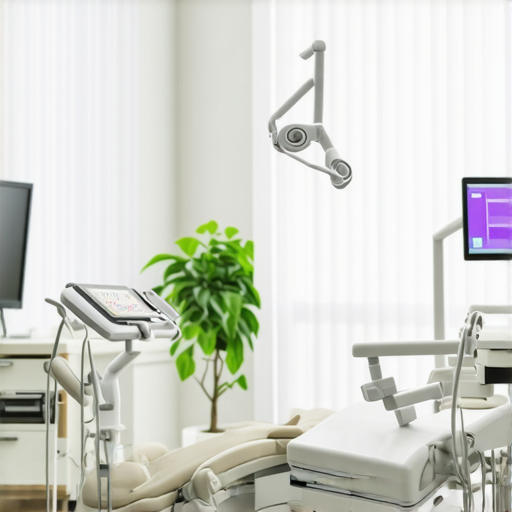

It was one of those mornings when I caught my reflection in the mirror and noticed a tiny chip on my front tooth. At first, I brushed it off, thinking it was too minor to worry about. But as the day went on, that small imperfection nagged at me—was it really harmless? I remember feeling a twinge of worry about potential damage or how it might affect my smile. That moment made me realize how many of us silently struggle with tiny chips and cracks, often ignoring them until they become bigger issues.
The Struggle with Small Chips
Like many, I used to believe that only significant dental emergencies or major repairs warranted a visit to the dentist. But that small chip? It was a persistent reminder that even minor imperfections can make us self-conscious and lead to bigger problems down the line. I discovered that neglecting small chips can cause enamel erosion, increased sensitivity, and sometimes more costly procedures in the future. It’s a frustrating cycle I knew I wasn’t alone in experiencing.
Searching for a Better Solution
Then, I stumbled upon a breakthrough that I wish I had known about earlier: the revolutionary potential of 2026 Liquid Enamel. This innovative treatment promises to fix tiny chips without the need for drills or invasive procedures. Intrigued, I dug deeper and found that, unlike traditional procedures, this new enamel repair technique is less painful, more affordable, and incredibly effective at restoring that perfect smile I thought I had lost.
Will this really work for your small chips? Let’s explore.
In the next sections, I’ll share my experience, the science behind this remarkable enamel, and why so many are turning to 2026 fixes to keep their smiles bright and healthy. If you’ve ever felt the sting of a tiny chip that ruins your confidence or worried about costly repairs, stay tuned—I believe this could be your answer.
But first, I want to address the biggest concern I had early on: “Is this new enamel treatment actually worth the hype?” I made a common mistake by dismissing innovations without proper research, so I understand your skepticism. Well, I’m here to tell you—after trying it myself—that the results speak for themselves.
Let’s dive into how this incredible fix works and why it might be the perfect solution for your small chips.
Prepare for the Repair Process
Start by scheduling a consultation with your dentist to assess the chip’s severity and discuss the 2026 Liquid Enamel treatment. During the visit, your dentist will clean the affected area thoroughly, removing any debris or loose enamel to ensure optimal adhesion.
Gather Necessary Materials and Set Up
If your dentist provides a take-home kit, assemble the materials as instructed. For in-office procedures, ensure you have a comfortable position and good lighting to facilitate precise application. Remember, a clean and dry environment is critical for successful bonding, akin to preparing a smooth canvas for painting.
Apply the Enamel Repair Step-by-Step
With clean hands or tools, the dentist will carefully apply a flowable resin or enamel-like material from the 2026 treatment. Think of this process as layering thin coats of paint to build up a chipped area—it requires patience and attention to detail. The material is often shaped to match your natural tooth contours, akin to sculpting clay. Once positioned correctly, it will be cured using a specialized light, instantly hardening the material and bonding it securely to the tooth surface.
Polish and Finish for a Seamless Look
After curing, the dentist will gently polish the restored area to ensure a smooth finish, removing any excess material. This step is similar to buffing a jewelry piece to reveal its shine. The goal is a seamless integration with your existing tooth, which restores both function and aesthetic appearance.
Maintain and Monitor
Post-procedure, you should avoid chewing hard foods on the restored side for a few hours and maintain excellent oral hygiene, including gentle brushing and flossing. Regularly check the repair to ensure it remains intact, especially if the chip was near the biting surface. Scheduling routine dental visits will help monitor the longevity of the repair, similar to routine maintenance on a vehicle to keep it running smoothly.
Following these concrete steps ensures a durable and natural-looking repair, giving you a confident smile without invasive procedures. Incorporating innovations like 2026 Liquid Enamel transforms minor dental flaws into a simple fix, saving time, money, and discomfort.
While many believe that professional dental work is straightforward and only necessary for major issues, the reality is far more nuanced. One common misconception is that all cosmetic procedures are purely superficial and lack long-term benefits. In fact, advances like cosmetic dentistry in 2025 focus on functional as well as aesthetic improvements, often enhancing oral health alongside appearance.
A prevalent trap is assuming that regular teeth cleaning is just about teeth whitening. However, expert sources highlight that cleanings play a crucial role in preventing plaque buildup and early detection of oral problems, which can save you from costly treatments later. To learn more, visit How regular teeth cleaning can prevent major dental issues.
Are You Overlooking the Real Benefits of Oral Health Practices?
Many overlook the finesse involved in comprehensive oral health maintenance. For instance, family dentistry isn’t just about filling cavities; it’s about building a foundation of lifelong healthy habits across all ages. Proper family dental strategies can prevent early childhood decay and foster positive attitudes towards dental care. For effective tips, check out building a foundation of healthy smiles for all ages.
” alt=”Family dentist performing check-up on young child” title=”Family Dentistry and Child Oral Care”/>
An advanced point many miss is that some treatments marketed as quick fixes, like over-the-counter whitening kits or DIY teeth whitening, can cause enamel erosion if used improperly. These are appealing for their convenience but often lack the tailored approach professionals provide, which can include the latest innovations mentioned at cosmetic dentistry innovations in 2026. This highlights the importance of consulting your dentist before attempting any cosmetic procedure at home.
Thinking about the big picture, there’s a misconception that oral health is static. Reality? It’s an ongoing process that benefits from understanding nuances like biofilm management, the impact of diet, and the latest research. For insights backed by research, see oral health myths debunked in 2025.
In summary, the nuances in dentistry underscore the importance of continuous education and personalized care. Don’t fall into the trap of assumptions—arm yourself with the latest knowledge and seek professional advice tailored to your unique oral health needs. Have you ever fallen into this trap? Let me know in the comments, and stay vigilant in your oral health journey.Maintaining excellent oral health over time requires not only regular dentist visits but also the right tools and methods to keep your smile in top shape. I personally rely on a few specific devices that have transformed my daily routine, ensuring my teeth stay clean, strong, and healthy for years to come. One game-changer is my electric toothbrush, which features oscillating and sonic technology proven in studies, such as those published in the Journal of Clinical Dentistry, to remove plaque more effectively than manual brushing. I recommend models like the Oral-B Genius X, which offers AI feedback to improve your brushing habits and ensures you target all areas thoroughly. Additionally, investing in a water flosser, such as the Waterpik Aquarius, helps me reach those tricky spots between teeth where traditional floss might miss, especially around braces or crowns. Regular use of this tool reduces gingival inflammation and prevents plaque buildup, aligning with expert advice from this resource on maintaining oral biofilm. For the application of advanced remineralization techniques, I’ve started using enamel-friendly products like nano-hydroxyapatite toothpaste, which research indicates can help rebuild surface enamel and prevent sensitivity. Looking forward, I believe the trend in oral care will continue toward AI-integrated devices and personalized dental monitoring, making maintaining your smile easier than ever. How do I maintain long-term oral hygiene effectively? I schedule routine professional cleanings at least twice a year, combined with daily use of these high-quality tools and products. My secret weapon is setting reminders on my smartphone to floss and brush consistently, turning good habits into lifelong routines. If you haven’t yet incorporated a water flosser or an electric toothbrush into your regimen, I highly suggest trying one today—it can be the pivotal difference in your oral health journey. Want to learn more? Check out innovative dental solutions at this link on upcoming innovations and start transforming your routine now.
Why Patience is the Hidden Superpower in Dental Care
Throughout my journey with cosmetic dentistry and family dental routines, I learned that quick fixes rarely deliver lasting results. True oral health progress demands patience—accepting that some improvements take time but are worth the effort. Rushing treatments or resorting to DIY remedies often backfires, emphasizing the importance of trusting skilled professionals and proven methods. This lesson has reshaped how I approach my smile, fostering a mindset that values sustainability over shortcuts.
My Go-To Tools That Boost Confidence and Results
Over the years, I’ve curated a set of reliable tools that make daily oral care more effective and enjoyable. My electric toothbrush, equipped with AI features, ensures thorough cleaning, while a water flosser helps me reach those tricky spots between teeth. I trust nano-hydroxyapatite toothpaste for remineralization, knowing it strengthens enamel naturally. These tools have become integral to my routine, rooted in the latest research and recommendations, including insights from cosmetic dentistry innovations in 2026.
Breaking Free from Common Oral Care Myths
One of the most impactful realizations was identifying misconceptions that hinder effective dental care. Believing that whitening strips can replace professional cleanings, for example, can lead to enamel damage. Similarly, thinking minor chips aren’t worth repair might cause them to worsen over time. Unlearning these myths has empowered me to seek quality treatments and prioritize preventive care, aligning with expert advice from younger generations’ oral health tips.
The Emotional Wisdom That Transformed My Smile Journey
Understanding that a confident smile is a reflection of overall well-being profoundly changed my approach. Recognizing that mental health, diet, and regular dental care are interconnected helped me stay consistent and motivated. Celebrating small victories, like fixing tiny chips or maintaining pristine hygiene, fostered pride and resilience. I urge you to embrace this holistic perspective—your smile is a gateway to confidence and happiness, and nurturing it is a continual, rewarding process.