It was a morning like any other, but as I looked in the mirror, I noticed that tiny chip on my front tooth. At first, I brushed it off, thinking it was just a bit of stubborn food or maybe a minor flaw I could ignore. But as days went by, that little chip started to bother me more and more. I was afraid it would worsen or become noticeable in photos, and honestly, I didn’t want a complicated, time-consuming dental procedure to fix it.
A Lightbulb Moment About Quick Dental Fixes
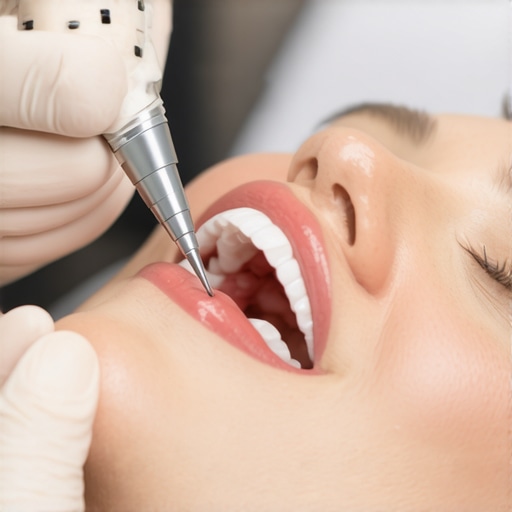
One day, during a routine visit to my dentist, I was introduced to a revolutionary technique: Laser bonding scheduled to arrive fully in 2026. The dentist explained how laser technology can now repair chipped teeth in under 10 minutes—something I didn’t even imagine was possible. That moment sparked my curiosity, and I decided I’d find out everything I could about it, to see if it might be the game-changer I needed.
Is Laser Bonding Actually Worth the Hype?
Initially, I was skeptical. I’d heard of quick fixes before that ended up being unreliable or temporary. Like many, I made the mistake early on of thinking all dental treatments were slow and cumbersome. But I learned that these new laser techniques are backed by extensive research and offer durable, natural results. In fact, a recent study highlights how laser technology can improve bond strength and longevity—supporting the idea that sometimes, the future of dentistry arrives faster than we think.
Have you ever faced a chipped tooth or a small dental mishap that just made you hesitate to get it fixed? If so, you’re not alone. Many people wait for extended procedures that often disrupt daily life or strain budgets. That’s exactly why I was so excited when I discovered this promising 2026 innovation. It’s not just about quick fixes; it’s about smarter, less invasive, and more effective solutions that seamlessly fit into our busy lives.
Now, I want to share what I found out about this technology and how it might be the quick, reliable fix you’ve been searching for. Curious to see if this breakthrough can help you avoid situations like mine? Stay tuned as we explore the ins and outs of laser bonding, everyday dental mistakes, and how to make your oral health routine more efficient.
Establish a Consistent Routine
Start by brushing your teeth twice daily with a soft-bristled toothbrush, moving in gentle circular motions to cover all surfaces. I once experimented with different brushes, and I found that switching to a sonic toothbrush significantly improved plaque removal. Integrate flossing into your nightly routine, using about 18 inches of floss to clean between teeth thoroughly. Consistency is key; skipping days allows plaque buildup and can undo progress you make on other days.
Prioritize Proper Technique
How to Brush Effectively
Hold your toothbrush at a 45-degree angle to your gum line and brush in short, gentle strokes, focusing on one or two teeth at a time. Don’t rush—my messy attempt once caused gum irritation when I brushed too aggressively. Remember, effective cleaning isn’t about scrubbing harder but about deliberate, thorough strokes that clean without damaging gums.
Floss Like a Pro
Use a gentle back-and-forth motion to slide floss between teeth, curving it around each tooth in a C-shape. Be careful not to snap the floss, as I once did, which caused minor discomfort. Practice makes perfect—diligence with flossing removes plaque in areas a brush can’t reach and prevents cavities at the contact points.
Utilize Advanced Tools Wisely
Incorporate interdental brushes or water flossers for more effective cleaning, especially if you have braces or dental implants. These tools are excellent for reaching difficult spots and reducing gum inflammation. During my own use, I found that switching between floss and water flossers ensured a more comprehensive clean, especially after meals.
Adopt Additional Protective Measures
Use fluoride mouthwash after brushing and flossing to strengthen enamel and reduce decay. I include a routine of rinsing for 30 seconds, which enhances the benefits of my brushing. Limit sugary foods and drinks that promote plaque formation—every time I cut back on soda, I noticed less staining and smoother teeth surface overall. For detailed tips on maximizing your routine, see this comprehensive guide.
Schedule Regular Dental Checkups
Visit your dentist at least twice a year for professional cleaning and assessment. During my last appointment, my hygienist used ultrasonic technology to remove stubborn tartar without discomfort. Regular visits catch issues early and help maintain the progress of your daily efforts. Don’t wait for pain or visible problems; preventative care is your best defense against serious dental issues.
Many people believe that simply brushing twice a day and visiting the dentist annually suffices for optimal oral health. However, this oversimplification can lead to missing nuanced issues that undermine long-term dental well-being. For instance, a common misconception is that gentle brushing is always better, but the truth is that using proper technique with appropriate pressure and tools is critical to prevent gum recession and enamel erosion. In my experience, overlooking this detail often results in accelerated wear—something many don’t realize until it’s too late.
Why do so many stumble despite proper routines? A closer look at advanced mistakes reveals overlooked nuances. One trap is neglecting interdental cleaning; flossing, while widely recommended, is often executed poorly, reducing its effectiveness. Incorporating effective interdental tools like water flossers or interdental brushes can make a significant difference, especially for those with braces or implants. Interestingly, studies suggest that improper flossing technique can sometimes cause minor gum injuries, which may lead to inflammation and recession over time. You can find more on effective techniques in this comprehensive guide.
Another prevalent myth involves family dentistry practices. Many assume that all dental clinics offer similar quality, but the subtle differences in clinician expertise, technology, and patient education can impact outcomes. A key nuance is the importance of tailored preventive strategies rather than one-size-fits-all advice. For example, some clinics might overlook early signs of enamel erosion or acid reflux, which require specialized attention to prevent irreversible damage. Building a foundation of thorough, personalized care ensures that issues are caught early, saving you time and expense in the long run—more details are available in this resource on family dentistry.
When it comes to cosmetic dentistry, many believe that only the surface matters—whitening, veneers, or bonding. Yet, the real mastery lies in understanding the hidden nuances that influence long-term success. For instance, inadequate bonding techniques can lead to premature veneer detachment, and ignoring the underlying enamel health can result in the failure of cosmetic procedures. Emphasizing the importance of proper preparation and molecular-level adhesion strategies can dramatically extend the lifespan of cosmetic work. According to recent research, advances in bio-mineralization and nanotechnology are setting new standards, making treatments more durable and natural-looking. Explore this article for deeper insights.
In summary, understanding these nuances and debunking myths is vital for maximizing your oral health investments. Don’t fall into the trap of oversimplification; instead, focus on precision, personalized care, and staying informed about emerging technologies. Have you ever fallen into this trap? Let me know in the comments and share your experiences so we can all benefit from a more intelligent approach to dental care.
Maintaining optimal oral health isn’t a one-and-done task; it requires the right tools, consistent routines, and awareness of technological advancements. As dental technology evolves rapidly, staying current with the best equipment can prevent issues before they become major problems. For instance, I personally swear by using ultrasonic toothbrushes equipped with intelligent timers and pressure sensors, which ensure I don’t overbrush or miss spots. These devices, like the Oral-B Genius X, connect via Bluetooth to apps that provide real-time feedback, helping refine brushing technique over time.
Choosing the Right Equipment for Longevity
Investing in high-quality tools really pays off. Regularly replacing your toothbrush head or brush attachment is crucial—many people forget that worn bristles are less effective and can harbor bacteria. I recommend changing heads at least every three months. For flossing, I prefer water flossers like the Waterpik Sonic-Fusion, which seamlessly combine brushing and flossing into a single device, making daily routines more efficient and thorough. These tools are especially beneficial if you have braces or dental implants, ensuring that hard-to-reach areas stay clean without damaging sensitive tissues.
Implementing Advanced Cleaning Techniques
Today, technologies like micro-ultrasound and laser cleaning are changing the game. I personally incorporate laser-assisted fluoride treatments recommended for long-term enamel preservation. These treatments use low-level laser energy to strengthen enamel and reduce sensitivity, making follow-up treatments more durable. Emerging trends predict that these laser procedures will become standard, reducing the need for invasive drilling or fillings. According to the American Dental Association, laser therapies can significantly cut down treatment time and improve patient comfort.
To keep your routines effective over time, regular updates and maintenance of your tools are essential. For instance, ensuring your sonic toothbrush’s motor remains functional by avoiding excessive pressure and storing it properly extends its lifespan. Additionally, integrating digital apps that track your oral hygiene habits helps reinforce consistency, making it easier to adhere to routines and catch any lapses early. You can learn more about advanced teeth cleaning techniques at this comprehensive guide.
How do I maintain my dental tools over time?
Proper maintenance involves regular cleaning of your toothbrush or flosser, replacing parts as recommended, and avoiding exposure to extreme temperatures. For instance, I soak my electric brush heads in antibacterial mouthwash weekly to eliminate bacteria buildup. Digital tools and apps should be updated regularly to ensure optimal performance. Remember, even the best equipment can fail if neglected. For expert advice on selecting and maintaining your dental tools, don’t hesitate to contact us through our practice’s contact page.
Embracing technological advancements while maintaining good habits will set you up for a lifetime of healthy smiles. For example, exploring bioactive brushes that promote remineralization or using molecular cleaning gels could be the next step in proactive oral care. As the industry advances, staying informed guarantees that your routine remains effective. Trying out a high-tech toothbrush with pressure sensors or scheduling routine laser treatments can make a noticeable difference in your long-term dental health, ensuring your efforts don’t go to waste and saving you from costly procedures down the line.
The Hardest Lesson I Learned About Oral Hygiene
One of the biggest revelations I encountered was understanding that not all dental routines are created equal. Early in my journey, I believed that brushing twice a day sufficed, but I overlooked the importance of technique and the quality of tools. This oversight nearly cost me my enamel, teaching me that precision and consistency, paired with advanced tools, truly matter.
My Unexpected Turn with Laser Bonding
Discovering that laser bonding could fix chips in under 10 minutes completely changed my perspective on dental repairs. It wasn’t just a quick fix; it was a testament to how technology is pushing the boundaries of minimally invasive, effective treatments. Embracing these innovations has shown me the value of staying informed and proactive.
The Myth of One-Size-Fits-All in Family Dentistry
I used to think that visiting any dentist was enough, but I learned that tailored preventive strategies are vital. Different family members require personalized routines and checkups, emphasizing that quality care adapts to individual needs—something I now prioritize for my loved ones.
How Cosmetic Dentistry Can Overpromise and Underperform
I once believed that external whitening or veneers were the ultimate beautifiers. However, understanding the importance of underlying enamel health and proper bonding techniques has illustrated that long-term success relies on both aesthetics and foundational health, guiding me to choose quality over quick results.
A Personal Tip: Staying Ahead with Tech-Driven Tools
Investing in high-tech devices like ultrasonic toothbrushes with pressure sensors has been transformative. These tools, coupled with regular professional checkups, help catch issues early and maintain a radiant smile. It’s about making smart choices that integrate seamlessly into a busy lifestyle, ensuring lasting oral health.
Essential Resources That Elevated My Dental Routine
For anyone eager to elevate their oral care, I recommend exploring the comprehensive guide on cleaning techniques—it’s filled with actionable insights. Additionally, building a foundation with family dentistry tailored to all ages has helped me implement sustainable routines. Lastly, embracing latest innovations like ultrasonic cleaning keeps me ahead and prevents costly issues.
The Moment to Begin Is Now
Your smile reflects more than just appearance—it signals your overall health and confidence. By adopting smart routines, leveraging cutting-edge tools, and staying educated, you’re investing in a future where dental visits are stress-free and your teeth remain resilient. Remember, the journey to a healthier smile is ongoing, and every small step counts.
What’s the biggest dental myth you’ve believed? Share your experience below—I’d love to hear your stories and help you navigate toward smarter oral health choices.