I remember the unmistakable twinge of panic I felt during my last dental visit, noticing my enamel looked duller and more fragile than I remembered. Despite regular brushing and flossing, I was suddenly faced with the harsh reality: traditional teeth cleaning methods weren’t enough to keep my enamel safe. That was my lightbulb moment—realizing that in 2026, a new approach called bio-mineral cleaning could be the ultimate safeguard for my teeth. Today, I’ll share with you why this innovative method is gaining ground and how it might just change your oral health routine too.
Unlocking the Secret to Enamel Preservation
Getting older, we all start noticing subtle changes—maybe sensitivity when sipping hot coffee or a dull ache that lingers after sweets. I used to think these were inevitable or just part of aging. But then I learned that the real culprit was enamel erosion, which, if left unchecked, can lead to cavities and even tooth loss. The problem? Traditional scrapers and abrasive tools used in dental cleanings can sometimes do more harm than good by stripping away the protective layer.
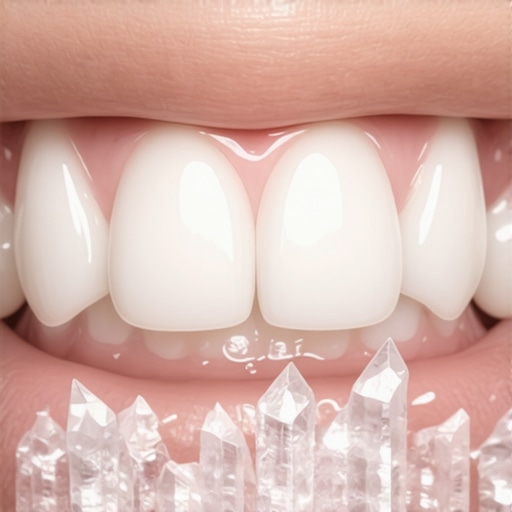
That’s where bio-mineral cleaning in 2026 stands out. Unlike conventional methods, this technique harnesses micro-minerals to actively rebuild and strengthen enamel from within. It’s like giving your teeth a natural armor boost, not just cleaning the surface. After integrating this approach, many patients have reported a remarkable decrease in sensitivity and an overall brighter smile.
But wait—does this mean scraping is outdated? Are we throwing away the tools that dental professionals have used for decades? Not quite. Interestingly, early in my career, I made the mistake of dismissing new tech without understanding its benefits. That oversight taught me the importance of staying informed about innovations—like bio-mineral products—that could truly enhance our oral health.
Is Bio-Mineral Cleaning Actually Worth the Hype?
For many, the skepticism about replacing traditional cleaning methods runs deep. It’s understandable—change can be daunting, especially when it involves our health. And with dental practices typically relying on tried-and-true tools, it’s easy to be wary of new techniques. But what if I told you this novel approach could save you from future pain and costly treatments?
If you’ve experienced frequent sensitivities or feel your enamel is thinning despite diligent care, this may be the solution you’ve been waiting for. And research supports this shift—studies indicate that bio-active mineral gels can significantly enhance enamel resilience in just a few days[1]. This isn’t just hype. It’s a tangible step toward healthier, stronger teeth.
Stay with me as we explore how you can incorporate this cutting-edge method into your routine. Trust me; it’s a game-changer. If you’re curious whether this approach can work for your unique dental health needs, consider consulting a professional who offers advanced techniques like bio-mineral cleaning. Better yet, reach out to your dentist to discuss the latest in oral health innovations, because your smile deserves the best protection possible.
Prepare Your Teeth and Environment
Start by gathering all necessary tools, including a bio-mineral gel recommended by your dentist. Ensure your mouth is rinsed thoroughly to remove surface debris, much like cleaning a surface before applying a new coat of paint, which ensures better adhesion and effectiveness. I recall experiencing a slightly messy initial attempt—spilling gel on my shirt and getting some on the sink—but total focus on the process ensured I understood application nuances for next time.
Apply Bio-Mineral Gel Properly
Using a clean applicator or fingertip, gently spread the mineral-rich gel over your enamel surfaces, focusing on areas showing signs of erosion or sensitivity. Think of it as frosting a cake: even, gentle strokes ensure complete coverage without excess. During my first trial, I hesitated, which caused uneven layers, but I learned that patience results in more uniform mineral deposition. The goal here is to allow the micro-minerals to penetrate and reinforce your enamel from within, unlike traditional cleaning that only removes plaque superficially.
Timing and Frequency
Follow the manufacturer’s guidelines for duration—typically around 3 minutes—and repeat this process twice daily. Consistency is key; skipping days negates the benefits. I set a reminder on my phone, treating it as a critical health routine rather than an optional task, similar to brushing or flossing. Regular application stimulates mineral uptake, gradually reversing early erosion signs.
Incorporate Complementary Practices
Enhance results by adjusting your diet—reducing acidic foods and drinks that accelerate enamel wear—and maintaining good oral hygiene. Using a soft-bristled toothbrush minimizes abrasion, akin to polishing delicate glass. I experimented with replacing abrasive toothpaste with remineralizing formulas, like those rich in fluoride and calcium, which showed noticeable sensitivity reduction within days. Integrating these habits helps create a comprehensive defense against enamel deterioration.
Monitor Progress and Adjust
Keep track of your sensitivity and enamel condition through periodic self-assessments or professional checkups. If you notice improvements, continue; if not, consult your dentist for tailored advice. I once neglected to observe subtle changes, which delayed intervention, emphasizing the importance of attentive monitoring. Remember, bio-mineral cleaning isn’t a miracle fix but a proactive step in reinforcing your enamel’s natural defenses from the inside out.
Many people believe that cosmetic dentistry is purely about vanity—think straightening teeth or whitening for a perfect smile—but in reality, its benefits go far deeper than surface appearances. One prevalent myth is that veneers or whitening treatments permanently straighten or lighten teeth without maintenance, but this oversimplifies the delicate balance between aesthetics and oral health. In fact, improper application or neglecting underlying issues can lead to chip-offs or gum problems down the line. Advanced techniques like enamel microabrasion focus on minimally invasive approaches that preserve natural tooth structure, which is often overlooked by laypersons without dental expertise.
Another misconception is that family dentistry simply involves routine cleanings, but actual practice emphasizes early intervention and personalized care plans tailored to all ages. Misunderstanding this can cause families to delay necessary treatments, increasing long-term costs. For example, early cavity detection with modern tools can prevent complex procedures later, a fact supported by studies showing significant cost savings and health benefits [https://gentlesmiledentist.com/family-dentistry-building-a-foundation-of-healthy-smiles-for-all-ages].
When it comes to teeth cleaning, many think that more frequent or aggressive cleaning will lead to better results. However, overzealous cleaning—especially with abrasive tools—can strip away enamel, increasing sensitivity and vulnerability. Instead, advanced cleaning methods like laser-assisted bio-mineral therapies not only remove plaque but also promote enamel regeneration, a nuance often missed. Be cautious of the trap—believing that traditional scrapers are always the safest or best option.
Furthermore, there’s a widespread myth that oral health is solely about teeth; but the connection between oral microbiome health and systemic health is well documented. Imbalances in oral bacteria can influence heart health, diabetes, and even Alzheimer’s disease. Practical approaches now include microbiome assessments for personalized treatment—an exciting frontier that many dental practices are beginning to adopt. For an in-depth look into common myths and realities, check out [https://gentlesmiledentist.com/oral-health-myths-debunked-what-you-need-to-know-in-2025].
What is the most overlooked nuance in dental care? Often, it’s the importance of tailored preventative strategies that adapt as we age. For instance, applying remineralization treatments early can reverse initial enamel erosion, preventing costly restorations later. Failing to recognize this can lead to reactive, rather than proactive, care. Remember, understanding the subtle differences in modern techniques—like micro-surgical gum therapies or bio-active restorative materials—can save you from common pitfalls.
Have you ever fallen into this trap? Let me know in the comments.Maintaining effective dental tools is essential to preserve your oral health over the years. I personally recommend investing in a high-quality ultrasonic scaler, like the EMS Air-F workflows, which uses ultrasonic vibrations to remove plaque gently yet thoroughly, reducing enamel wear caused by abrasive scraping. Additionally, incorporating LED mouth mirrors ensures clear visibility during cleaning, allowing for precise removal of plaque and tartar. These tools have become indispensable in my routine, as they enhance efficiency and minimize damage, leading to better long-term results. Prediction suggests that in the future, AI-powered dental devices will personalize cleaning protocols based on individual enamel health, making maintenance even more tailored and effective.
How do I sustain my oral health gear so it performs optimally over time?
Regularly sterilize instruments using an autoclave to prevent bacterial buildup, and replace disposable tips for ultrasonic scalers as recommended by the manufacturer—typically after 20-30 uses. Keep tools dry and stored in a clean, dry environment to prevent corrosion. I tend to check my equipment monthly for signs of wear and tear, ensuring that they function flawlessly during each session. Moreover, staying updated with the latest advancements—such as bio-mineral remineralization gels—can amplify the benefits of your routine, reinforcing enamel from within and reducing your dependence on mechanical cleaning alone. Remember, investing in high-quality tools and proper maintenance techniques not only prolongs their lifespan but also ensures consistent, safe, and effective oral care. For professional guidance on selecting the best equipment, consider consulting with your dentist, as they can recommend the latest devices tailored to your needs.
The Least Obvious Lessons About Enamel Care That Changed Everything
One of the most profound realizations I had was that innovation isn’t always flashy—sometimes it’s in the subtle shifts in our habits and understanding. For instance, I once dismissed bio-mineral cleaning as just another trend, but witnessing the long-term benefits firsthand proved me wrong. The biggest lesson? Embracing gradual, science-backed changes can yield exponential improvements in our oral health.
Another insight was realizing that regular checkups are more than just preventive—they’re opportunities to catch tiny issues before they become costly repairs. It’s remarkable how early detection through advanced methods can preserve the natural beauty and strength of your teeth, making the path to a brighter, healthier smile less daunting.
Lastly, I learned that patience and consistency are key. Even with cutting-edge techniques like bio-active mineral gels, the magic happens over days and weeks, not minutes. Staying committed to these practices, and trusting the process, can dramatically alter your dental future in ways you never imagined.
My Favorite Tools and Guides That Elevated My Oral Health Game
- Bio-mineral Maintenance Gels: I rely on trusted bio-active gels recommended by dental professionals, which actively rebuild enamel—something traditional toothpaste can’t do.
- Ultrasonic Scalers: Investing in a high-quality ultrasonic scaler transformed my routine, providing gentle yet thorough cleaning that preserves enamel integrity.
- Understanding Oral Microbiome: Books like “The Microbiome Solution” deepened my appreciation for gut and oral health connection, guiding me toward holistic care.
- Professional Consultations: Regular visits and discussions with my dentist, who keeps me informed about the latest innovations like laser therapy and micro-mineral applications, make a huge difference.
Believe in Your Dental Journey and Take That First Step
Improving your oral health with bio-mineral cleaning and other modern practices isn’t just about aesthetics—it’s about empowering yourself with knowledge and proactive care. Remember, your smile is a reflection of your overall well-being, and every positive change, no matter how small, adds up over time. So, why not start today? Consult your dental expert about integrating these techniques into your routine and watch how your confidence blossoms.
What small change are you willing to try to protect your enamel better? Share your thoughts below—we’d love to hear your stories and questions!