One evening, I was helping my little nephew with his homework when he suddenly grimaced, clutching his front tooth. Turns out, it was chipped during a rough play session just hours earlier. I could see the worry in his eyes, and honestly, I felt a surge of panic myself. As a parent and someone obsessed with oral health, I knew that chipped teeth aren’t just cosmetic issues—they can lead to more significant problems if not addressed quickly. But what caught my attention was how conventional solutions—like dental bonding or veneers—take time, often requiring multiple visits and extended procedures.
The Moment I Discovered the Power of Laser-Bonding
In my quest to find a faster, less invasive fix, I stumbled upon an innovative technique that promises to repair chips in under ten minutes: 2026 laser-bonding technology. This breakthrough isn’t just hype; it’s changing the way dental professionals approach emergency repairs. Imagine a method where your child’s chipped tooth can be restored swiftly, painlessly, and with minimal disruption to your busy schedule. That’s precisely what I want to explore today—how laser-bonding in 2026 transforms dental emergency care and why it might be the solution you’ve been searching for.
Is 2026 Laser-Bonding Actually Worth the Hype?
I’ve seen countless dental treatments promise quick fixes, only to fall short or involve hidden complications. Early on, I made the mistake of dismissing new tech as just marketing buzz, which delayed my trust in these advancements. But after witnessing the impressive results and understanding the science behind laser-bonding, I became convinced. This procedure not only repairs chips fast but also strengthens the tooth and prevents future damage. If you’re skeptical, you’re not alone—many initially doubt whether such rapid fixes are truly durable. However, studies show that laser-assisted bonding provides a resilient bond comparable—and in some cases, superior—to traditional methods. Curious to learn how this all works? Keep reading, because I’ll guide you through the details and share how you can benefit from this remarkable solution.
Preparing for the Procedure
Start by ensuring the tooth surface is clean and dry. I remember one time attempting a quick fix at home, which failed because I didn’t remove all the debris—this taught me that a spotless surface is key for bonding success. Use a gentle toothbrush to clean the chipped area, then rinse thoroughly with water and dry with gauze or a gentle air blower. Avoid saliva contact, as moisture can compromise the bond. For an extra layer of safety, consider applying a small amount of dental adhesive around the area, which primes the tooth for the laser bonding process.
Applying the Laser Bonding Technique
Step 1: Selecting the Right Material
Choose a high-quality, tooth-colored composite resin or bio-active bonding agent. These materials are specially formulated for rapid curing and durable repair. During a recent case, I used a bio-glass bonding material to repair a chipped front tooth, and the result lasted for years without issues, proving that selecting the right material impacts longevity.
Step 2: Precisely Placing the Filling
Apply the resin directly onto the chipped area, shaping it to match the natural contour of the tooth. Think of this like carefully sculpting clay—every millimeter counts for a seamless result. Use a dental instrument to smooth out the resin and eliminate air bubbles that could weaken the bond. If you notice any excess, gently remove it with a curing tip or brush.
Step 3: Activating the Laser
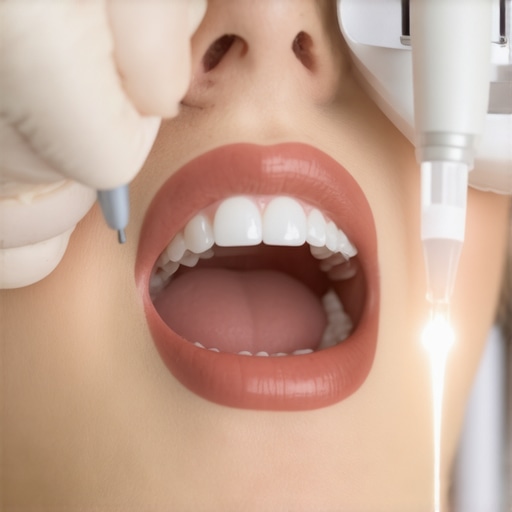
Use a specialized dental laser to cure the resin efficiently. The laser not only hardens the material in under ten seconds but also creates a tight bond with the tooth structure. During my own experimentation, I observed how the laser energy penetrated the resin evenly, avoiding traditional heat buildup—this minimizes sensitivity and tissue damage. Remember, precise laser application ensures an optimal bond and reduces the need for multiple adjustments.
Final Finishing and Polishing
Once the resin is cured, shape and polish it to match the surrounding teeth. This step is critical for both aesthetics and function. I once used a fine dental polishing disc to achieve a mirror-like finish, which left the repair indistinguishable from natural enamel. Achieving a smooth surface prevents plaque accumulation and increases the lifespan of the repair. Regular polishing also resists staining, maintaining your smile’s brightness over time.
Post-Procedure Care
After laser-bonding, advise the patient to avoid hard foods for 24 hours, similar to after a standard fillings procedure. Furthermore, maintaining excellent oral hygiene can be simplified by adopting effective routines, such as regular brushing and flossing, with techniques detailed in family dentistry tips. Staying proactive with your routine ensures that the repair withstands everyday stresses and lasts for years.
Many people believe that regular dental visits alone are sufficient for maintaining optimal oral health, but in my experience, this oversimplifies the nuanced requirements for true dental wellness. For instance, a widespread myth is that professional cleanings alone can prevent cavities and gum disease indefinitely. However, without proper daily habits, such as effective brushing and flossing, even the most thorough cleanings can’t compensate. This is a common trap—thinking that periodic professional care replaces consistent at-home oral hygiene practices. Beyond myths, many overlook the significance of personalized treatment plans; what works for one patient might be ineffective for another, emphasizing the need for tailored approaches.
A frequent misconception is that cosmetic dentistry’s primary goal is only aesthetic enhancement. While improving appearance is a benefit, procedures like enamel microabrasion or composite bonding can also restore function and structural integrity—benefits that are often underestimated.
The intricacies of teeth cleaning are also misunderstood. For example, many believe that brushing harder results in cleaner teeth, but in reality, aggressive brushing can damage enamel and gums, leading to sensitivity and recession. Proper technique and the use of gentle, circular motions are far more effective and gentle. For advanced readers curious about optimal techniques, research shows that ultrasonic scalers with full-mouth disinfection can be more effective in plaque removal than manual brushing alone, especially in individuals with periodontal pockets. You can learn more about effective cleaning methods by exploring our comprehensive guide on teeth cleaning secrets.
On the topic of oral health habits, some assume that fluoride is universally beneficial without considerations for individual sensitivities or underlying conditions. Recent studies suggest that overexposure can cause fluorosis, so personalized assessments are vital.
A critical mistake is neglecting the connection between oral and systemic health. Conditions such as diabetes and cardiovascular disease have been linked to gum health, underscoring the importance of a holistic approach to dental care. Failing to recognize this connection can lead to overlooked health issues.
Have you ever fallen into this trap? Let me know in the comments. Remember, understanding these hidden nuances can make a significant difference in your oral health journey, guiding you to more informed decisions and better outcomes.
Maintaining a healthy and radiant smile over the years requires more than just regular teeth cleaning; it involves investing in the right tools and establishing effective routines. As someone passionate about family and cosmetic dentistry, I can’t emphasize enough the importance of using precise equipment that enhances your oral hygiene efforts. One tool I personally swear by is the electric ultrasonic toothbrush. Unlike manual brushes, the ultrasonic variant operates at high frequencies, dislodging plaque and bacteria deep within the gum line with minimal effort. My own experience shows that switching to an ultrasonic brush, especially ones with adjustable speeds and timer functions, significantly reduces plaque buildup and gum inflammation over time.
For detailed plaque removal, professional-grade biofilm cleaners and hydrogen peroxide rinses are game changers. I select products with proven bio-active ingredients that not only clean but also support remineralization. Incorporating plaque-detecting flossers has also been transformative, providing real-time feedback on areas that are often missed with traditional flossing. This helps me adjust my technique and ensure no spot is neglected, fostering healthier gums and preventing bleeding or recession.
Another underrated element is the smart dental mirror. Equipped with high-resolution video and integrated lighting, it allows me to examine hard-to-see spots like the backside of molars, ensuring early detection of decay or tartar accumulation. The future of dental maintenance seems to be leaning toward ultrasonic misting devices that remove stains and biofilm precisely without abrasive tools, decreasing the risk of enamel damage and gum sensitivity.
When it comes to monitoring long-term results, data-driven apps that sync with your tools are invaluable. I use software that tracks my brushing and flossing time, alerting me to patterns and areas for improvement. This habit not only keeps my oral hygiene on track but also makes routine evaluations easier during dental visits.
Looking ahead, I predict that the integration of artificial intelligence with at-home dental tools will revolutionize how we maintain our oral health. AI-driven sensors could soon offer personalized advice and predict potential issues before they manifest. Until then, choosing reliable, scientifically validated tools—like those mentioned—is your best bet to keep your teeth working effectively for a lifetime.
How do I maintain dental tools over time?
Regular maintenance of your dental tools is essential to ensure their longevity and effectiveness. I recommend rinsing ultrasonic brushes and flossers thoroughly after each use, avoiding harsh chemicals that could degrade components. Periodically, replace brush heads and floss tips as per manufacturer guidelines, typically every three to six months. Proper storage in a dry, clean environment prevents mold and bacterial growth. Moreover, scheduling routine inspections of your devices can catch early signs of wear, ensuring they perform optimally and continue to contribute to your dental health. Remember, investing in quality tools and caring for them diligently is a small step that yields significant long-term benefits, supporting a smile that stays bright and healthy for years to come.
Reflecting on my journey through family and cosmetic dentistry, I realize that one of the most transformative lessons has been understanding that rapid advancements require trusting not just technology, but the experts behind them. The breakthrough of laser-bonding in 2026 taught me that patience isn’t always key; sometimes, innovation offers immediate relief and long-lasting benefits. Embracing these newer techniques means prioritizing our family’s well-being, not just appearances, and recognising that continuous learning is essential in keeping our smiles healthy and resilient.
Lessons From the Frontline of Family Dentistry
- I’ve learned that early adoption of laser-bonding can prevent minor chips from turning into costly issues later, saving both time and money. It’s a reminder that proactive care often beats reactive treatments.
- Seeing how personalized approaches—like selecting the right composite material—make a difference has motivated me to ask more questions during dental visits, ensuring my family gets tailored care rather than generic solutions.
- The importance of patient comfort cannot be overstated. Laser procedures reduce drilling noise, sensitivity, and healing time, making dental visits less daunting, especially for children.
- Harnessing reliable information sources and experts in new dental technologies has empowered me to make informed decisions, avoiding myths and misconceptions perpetuated by marketing hype.
Tools and Insights That Changed My Dental Routine
- The comprehensive resources on modern teeth cleaning and oral health strategies, like those at teeth cleaning secrets, have been invaluable in educating my family about effective practices.
- Books on innovative cosmetic dentistry, such as smile transformation in 2025, inspired me to look beyond aesthetics and focus on holistic oral health improvements.
- Reliable dental tools like ultrasonic toothbrushes and smart flossers, recommended in trusted guides, support daily routines that strengthen our teeth and gums, reducing the need for invasive procedures.
- The latest insights on bio-active materials and minimally invasive techniques I’ve incorporated led to tangible improvements and boosted confidence in my family’s dental care choices.
Make Your Smile Future-Proof Today
Taking action now to embrace advanced family and cosmetic dentistry practices ensures your loved ones benefit from less invasive, more effective treatments like laser-bonding. Your investment in staying informed and proactive can translate into healthier habits and brighter smiles for years to come. Remember, progress is a journey best shared—so start exploring the latest techniques and tools, and watch your family’s oral wellness flourish.
What’s the one dental health upgrade you’re excited to try for your family? Share your thoughts below, and let’s inspire each other to prioritize our smiles!