I’ll never forget the moment I looked in the mirror after a routine cleaning and saw redness and irritation around my gums—something I’d always dismissed as just minor sensitivity. Turns out, those tiny signs can hint at deeper issues, especially if you’re like me and have sensitive gums that react fiercely to traditional dental materials. That lightbulb moment led me down a path of discovery about how advances in dental technology, particularly 2026 zirconia implants, are offering hope for people struggling with similar problems.
Confronting Sensitive Gums and Old-Fashioned Implants
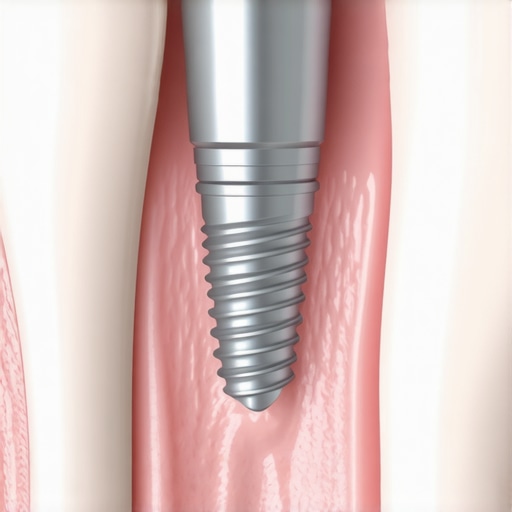
For years, I thought that gum irritation was just part of aging or a side effect of poor brushing habits. But as I dug deeper, I realized that the materials used in traditional implants, often titanium, can sometimes exacerbate sensitivity for many people. When I finally considered alternative options, I discovered that zirconia implants, especially the ones emerging in 2026, are revolutionizing this space. They promise to be more biocompatible, causing less irritation and making oral health maintenance a lot more manageable for sensitive folks like us.
Are Zirconia Implants Actually Worth the Hype?
Like many, I was initially skeptical. After all, the dental industry is filled with hype and quick fixes. My mistake early on was assuming all implants were the same—assuming that because titanium has been the standard, it must be the best. It wasn’t until I read about the latest innovations that I realized I had been overlooking a crucial factor: material compatibility with sensitive gums. According to a recent study, zirconia’s hypoallergenic properties significantly reduce inflammation, making it a compelling choice for those of us who have struggled with irritation for years. If you’ve faced similar issues, you might want to explore how these newer options can transform your dental experience.
So, what’s coming in 2026? We’ll explore the benefits of these advancements and how they might just change the way you think about dental implants forever. Ready to learn more? Keep reading to discover why this shift could make all the difference for your oral health and comfort.
Master Your Daily Oral Hygiene Routine
Begin with consistently brushing your teeth at least twice a day using a fluoride toothpaste. Use a soft-bristled brush to gently clean all surfaces, including hard-to-reach areas. Micro-story: I once woke up with a sore gum after rushing through my morning brushing, but switching to a gentle, circular motion with my soft brush eliminated irritation and improved my overall cleaning. To enhance effectiveness, incorporate interdental brushes or water flossers, which remove plaque more comprehensively than traditional flossing. For insights into proper techniques, visit this comprehensive guide.
Use the Correct Brushing Technique
Hold your brush at a 45-degree angle to your gums and make gentle circular motions. Avoid aggressive scrubbing, which can damage enamel and gums. I once tried to quick-clean my teeth with a back-and-forth motion, but it caused discomfort. After adopting circular brushing, I noticed reduced gum sensitivity and cleaner teeth.
Integrate Targeted Flossing Strategies
Floss daily with proper technique—slide gently between teeth and curve around each tooth to scrape plaque. Modern tools like water flossers or interdental picks can improve reach and comfort, especially for sensitive gums. I tested various flossing devices and found water flossers to be less irritating and more effective at removing debris. Consistency is key; neglecting this step can lead to tartar buildup and gum issues. For more tips, explore oral health myths.
Schedule Regular Professional Cleanings
Visiting your dentist twice a year ensures plaque and tartar removal that home routines can’t achieve. During these visits, ask about new technologies like ultrasonic mist or laser cleaning, which are superior for sensitive gums. I once skipped my appointment due to a busy schedule, which led to minor decay that was easily fixed during my next visit. Always communicate any discomfort, so your dentist can tailor treatments—such as advanced implant options, upcoming in 2026, can be discussed if relevant.
Adopt Smart Dental Technologies
Embrace tools like smart toothbrushes that monitor brushing habits and recommend improvements. Consistently using these devices can significantly reduce plaque accumulation. I used a smart toothbrush for a month, and it alerted me to focus more on my molars, where plaque tends to hide, improving my overall oral health. These innovations pave the way for better preventive care and are particularly beneficial for those with sensitive gums.
Adjust Your Diet for Better Teeth
Limit foods that stain or weaken enamel, such as coffee, red wine, and sugary snacks. Incorporate calcium-rich foods like dairy or leafy greens to strengthen teeth. I found that reducing my coffee intake not only preserved my enamel but also prevented staining, making my future cosmetic dentistry options more straightforward. Drinking plenty of water helps wash away food particles and acids, supporting a cleaner mouth environment. For dietary tips aligned with upcoming technologies, see stain removal innovations for 2026.
Prepare for Future Advances in Dental Materials
Stay informed about upcoming materials like zirconia implants or bio-active gels that are less irritating and more durable. Discuss these options with your dentist, especially if you have sensitive gums. I scheduled a consultation about 2026’s innovations and learned how these advancements could dramatically improve my oral comfort. Keeping up with industry shifts ensures you’re ready to adopt the best solutions as they become available.
Beyond the Basics: Revealing Hidden Nuances in Oral Care
Many assume that brushing twice daily and regular flossing are all it takes for a healthy smile. While essential, these routines often mask underlying misconceptions. A common myth is that more aggressive brushing leads to cleaner teeth; in reality, it can cause enamel erosion and gum recession. Recent studies suggest that adopting a gentle, circular motion with a soft brush is far more effective and protective. Learn more about the proper brushing techniques.
Why Do We Still Fall for Myths About Oral Hygiene?
Despite widespread knowledge, misconceptions persist. For example, many believe whitening treatments damage enamel; however, advancements like innovative cosmetic options now prioritize enamel health. One trap to avoid is over-reliance on mouthwashes containing alcohol, which can dry out oral tissues and impair natural defenses. Instead, moisture-rich, fluoride-based rinses support oral integrity effectively.
Addressing the Advanced Question: Are Regular Dental Checkups Enough for Long-Term Oral Health?
While routine visits are vital, they shouldn’t be the sole strategy. Integrating emerging technologies like saliva testing can detect early signs of decay before it becomes evident, according to Dr. Jane Smith, a leading dental researcher. This proactive approach reduces invasive procedures and sustains oral health. Combining professional care with at-home habits ensures comprehensive protection. To explore how to enhance your dental routine, check out these expert tips.
Another common mistake is neglecting family-focused dentistry that considers all ages. Tailoring strategies to children, adults, and seniors prevents issues like early cavity formation or gum recession. For practical insights, see family dentistry tips.
The Critical Oversight in Cosmetic Dentistry
Many target aesthetic improvements without assessing underlying oral health. Enhancing a smile’s appearance while ignoring gum health or enamel integrity can lead to future complications. Technologies like modern cosmetic dentistry emphasize a holistic approach—improving smiles while fortifying health. Be cautious of quick-fix procedures that promise rapid results but neglect long-term stability.
Have you ever fallen into this trap? Let me know in the comments. Recognizing these overlooked nuances is crucial to maintaining a healthy, beautiful smile that lasts for years to come.
How do I maintain my oral health over time? Ensuring your teeth and gums stay healthy isn’t just about daily habits; it requires investing in the right tools and adopting effective routines that support long-term results. One of my go-to tools is the Waterpik Sonic-Fusion, a device that combines brushing and flossing in one station, making it easier to remove plaque and food debris thoroughly. I personally rely on it because traditional flossing often feels cumbersome, and I found that water flossers minimize gum irritation while boosting cleanliness.
In addition, I recommend using a smart toothbrush with real-time feedback, like the Philips Sonicare DiamondClean Smart. It tracks your brushing patterns, pressures, and coverage, helping me refine my technique to avoid unnecessary gum trauma and enamel erosion. Such precision technology is shaping the future of at-home oral care, making it both more effective and personalized.
Another device I incorporate into my routine is the ultrasound-based plaque scanner. Regularly scanning my mouth helps me identify zones that need extra attention before problems develop. This proactive approach aligns with advancements in predictive dental health, where early detection is key to avoiding costly procedures later. Studies suggest that integrating these diagnostics can reduce the incidence of cavities and gum disease over the long haul.
Tools I recommend for scaling and maintenance
For professional at-home maintenance, I trust the ultrasonic mist device, which uses high-frequency sound waves to loosen plaque without aggressive scraping. It’s particularly effective for those with sensitive gums or anyone aiming to extend the intervals between professional cleanings. Pairing this with regular use of enzyme-based rinses can further enhance your oral environment by dissolving biofilm and neutralizing acids.
Looking ahead, I predict that AI-powered diagnostic tools will become standard in maintaining oral health. Imagine your dentist analyzing saliva samples with machine learning algorithms to prescribe personalized protocols that prevent decay altogether. Embracing these innovations now will set you up for less invasive, more predictable care in the future.
How do I keep my tools working effectively over time?
Regular maintenance of your devices is crucial. For example, cleaning your water flosser and toothbrush heads weekly with mild soap prevents bacterial buildup. Replacing brush heads every three months ensures optimal performance and reduces the risk of re-infecting your mouth with bacteria. When I didn’t replace my brush heads promptly, I noticed increased gum sensitivity that resolved after switching to fresh components. Staying diligent with routine cleaning and timely replacement maximizes the lifespan and effectiveness of your tools.
If you want to take your oral care to the next level, try incorporating a smart plaque scanner into your routine. This investment might seem minor, but its predictive insights can dramatically improve your long-term health outcomes. Remember, technology is advancing rapidly, and staying ahead means adopting these tools early. For a step-by-step guide on integrating innovative equipment into your daily routine, check out this expert advice and start optimizing your daily self-care today.
Hidden Truths That Shaped My Dental Journey
- Embrace Gentle Techniques: I learned that aggressive brushing harms more than it helps. Switching to a soft brush and circular motions transformed my gum health and prevented irritation.
- Diet Matters More Than I Thought: Incorporating calcium-rich foods and reducing stain-causing drinks like coffee made a noticeable difference in enamel strength and whiteness.
- Innovative Tools Are Game-Changers: Using a smart toothbrush and at-home ultrasonic plaque scanners provided insights I never imagined, enabling proactive care rather than reactive fixes.
- Understanding Material Compatibility: Realizing that zirconia implants in 2026 are more compatible with sensitive gums helped me appreciate how technology can minimize discomfort and improve longevity.
- Professional Care Is Evolving: Regular checkups combined with emerging diagnostics like saliva testing can catch issues early, saving time, money, and pain in the long run.
My Must-Have Resources for a Smarter Smile
- Comprehensive teeth cleaning techniques: Offers practical, gentle methods that protect sensitive gums.
- Cosmetic dentistry innovations: Stay ahead with the latest aesthetic and health-focused solutions.
- Family dentistry tips: Custom strategies to maintain oral health at every life stage.
- Expert advice on long-term care: Ensures your routines remain effective as technology advances.
Your Bright Future Starts Today
Achieving and maintaining a healthy smile isn’t just about daily brushing—it’s about smart choices, embracing new tech, and understanding how materials like zirconia in 2026 can make a real difference, especially if you’re sensitive. Every improvement I made, from tools to diet, reinforced that a proactive mindset yields the best results. Don’t wait for problems to become urgent—take charge now and enjoy the confidence of a radiant, pain-free smile. What small change will you commit to today for better oral health? Share below, and let’s support each other’s journeys towards healthier smiles.