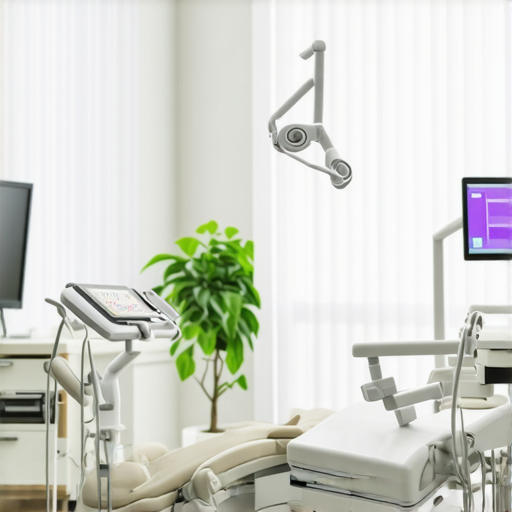
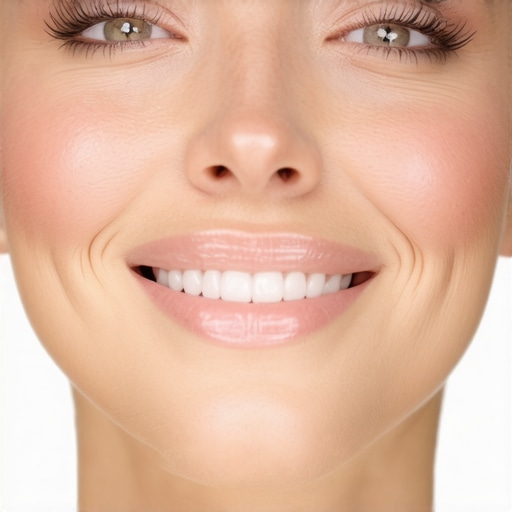
I vividly recall a moment during a routine check-up when I looked in the mirror and realized my smile felt a little less confident than it used to be. It wasn’t a major issue—no pain, no discomfort—but there was this nagging feeling that my teeth weren’t as bright and perfect as I’d always wanted. Like many, I had initially leaned on traditional veneers, thinking they were the ultimate fix. But as I dived deeper into the evolving world of cosmetic dentistry, I stumbled upon a game-changing technology forecasted for 2026: laser resurfacing. That discovery was a light bulb moment for me—and could be for you too.
The New Era of Smile Makeovers Is Coming
I want to share my journey from uncertainty to confidence, especially since the dental industry is on the verge of a significant transformation. Traditional veneers have long been celebrated for their beauty and durability, but they come with drawbacks—cost, permanence, and sometimes, a less natural feel. Laser resurfacing, especially with the advancements expected by 2026, promises a less invasive, more personalized approach. This technology isn’t just hype; it’s backed by research indicating that laser treatments can stimulate natural tissue regeneration, leading to healthier, stronger teeth and gums over time (source).
Will Laser Resurfacing Be Worth the Wait?
One of my mistakes early on was assuming that new tech would be too expensive or complicated. I eagerly tried to find quick fixes that didn’t involve a trip to the dentist. But the truth is, delaying could mean missing out on revolutionary benefits. If you’re like me—wanting the best for your smile but wary of old-school methods—this upcoming innovation could turn your dental routine on its head. Think about it: less drilling, less downtime, and a more natural look. Curious if laser resurfacing is suitable for your needs? Check out what to expect from cosmetic dentistry advancements to see how these changes might work for you.
Getting Ready for a Smarter Smile Shift
As we stand on the cusp of this dental revolution, it’s vital to be informed and prepared. Up next, I’ll walk you through the practical steps to evaluate whether you’re a candidate and how to start conversations with your dental professional. But first, tell me—have you ever felt frustrated by the limitations of traditional veneers or wondered if there’s a better, less invasive way to enhance your smile? If so, keep reading. The future of dental care is heading your way, and it might just be time for your smile to join the revolution.
Schedule a Comprehensive Dental Evaluation
The first step is booking a thorough assessment with a qualified dentist. During my appointment, I brought a list of concerns and previous dental records to ensure the dentist understood my goals. Expect the dentist to examine your teeth, gums, and overall oral health to determine if laser resurfacing is suitable. This evaluation is crucial to avoid surprises later and to plan the best treatment approach.
Identify Potential Risks and Address Pre-Existing Conditions
I learned the importance of discussing any underlying issues, like gum disease or decay, that could affect laser treatment outcomes. My dentist recommended addressing these beforehand—cleaning or treating cavities—to maximize benefits. Think of this step as cleaning a lens before taking a photo; a clear view ensures precision and optimal results.
Gather Information About Laser Resurfacing Options
Research different types of laser technologies and select a provider experienced in cosmetic laser treatments. When I contacted clinics, I asked about their equipment and certification to avoid subpar results. Viewing before-and-after photos helped me gauge expected outcomes. Remember, choosing the right technology and practitioner is like selecting quality tools—your results depend heavily on their expertise.
Create a Customized Treatment Plan
Your dentist will develop a tailored plan based on your oral health and aesthetic goals. My plan included specific sessions, recovery time expectations, and cost estimates. This personalized approach ensures treatment aligns with your lifestyle and budget, similar to customizing a suit for perfect fit and comfort.
Prepare Your Oral Health Routine
Boost your oral hygiene before the procedure. I started using a fluoride rinse and gentle interdental brushes to reduce bacteria and improve tissue health. This preparatory step minimizes the risk of infection and accelerates healing, akin to warm-up exercises before a workout—warming up prepares your body for optimal performance.
Adjust Lifestyle Habits for Better Outcomes
Avoid smoking, excessive alcohol, and harsh oral products in the weeks leading up to treatment. I cut back on smoking and switched to gentle toothpaste to strengthen my tissues. These habits influence healing speed and overall results, much like fine-tuning a machine for better operation.
Plan for Post-Treatment Care
Have a recovery plan ready, including soft foods and prescribed medications. My dentist recommended avoiding spicy or acidic foods and recommended ice packs to manage swelling. Proper aftercare is essential—think of it as nurturing a garden: consistent care boosts growth and health.
Schedule Follow-Up Visits
Follow-up appointments ensure proper healing and address any unexpected issues. My dentist scheduled check-ins a week apart, which helped monitor progress. Regular reviews are like maintenance checks—they keep everything running smoothly and prevent future problems.
By systematically approaching these steps, you set the stage for a successful laser resurfacing experience. Being proactive and informed not only enhances results but also boosts your confidence in your smile transformation journey.
Many people believe that brushing vigorously is the best way to maintain oral health, but in my experience, over-brushing can cause more harm than good, such as enamel erosion and gum recession, leading to increased sensitivity. This common misconception often results in unnecessary damage, so understanding the nuances of proper technique is crucial. Another widespread myth is that teeth whitening damages enamel; however, when done correctly with advanced, safe protocols—like those discussed in professional teeth cleaning techniques—it can be both effective and enamel-safe. Beware of cheap DIY kits that promise instant results but can weaken your teeth over time, emphasizing the importance of consulting with qualified professionals. When considering cosmetic enhancements, many think veneers are the only option, but innovations like micro-thin overlays or resin bonding offer reversible and less invasive alternatives, aligning with the future trends forecasted for 2026. For families, the trap lies in neglecting regular checkups, assuming occasional brushing suffices; yet, family dentistry experts highlight that consistent, guided care prevents extensive issues later, saving time and money. However, one advanced question I often get from patients is: “How can I differentiate between aesthetic improvements and actually improving oral health?” Because they should go hand-in-hand, understanding the latest innovations—like laser treatments that promote tissue regeneration and bioactive restoratives—is vital. These technologies don’t just enhance appearance but also support long-term dental health, as supported by recent research (see the latest studies). Remember, the real secret is — not everything that shines or seems quick fixes is beneficial; being aware of these hidden nuances helps you make smarter decisions. Have you ever fallen into this trap? Let me know in the comments.
How do I keep my dental tools and routines effective over time?
Investing in quality dental tools is essential for long-term oral health. I personally rely on an ultrasonic water flosser, like the Waterpik Water Flosser, which I find more effective than traditional flossing at removing plaque between teeth—especially for those with braces or dental implants. Regular use ensures that biofilm doesn’t harden into tartar, reducing cavity risk (learn more here). To complement this, I use a sonic toothbrush, such as the Philips Sonicare DiamondClean, which employs high-frequency vibrations to disrupt plaque more efficiently than manual brushes. These tools, combined with a fluoride-based toothpaste, form a robust daily routine aimed at maintaining a fresh, healthy mouth. Looking ahead, advancements like AI-guided toothbrushes could further personalize and optimize cleaning routines, adapting to your unique oral microbiome for even better results.
How can I sustain the effects of cosmetic dentistry treatments?
Maintaining your smile after cosmetic procedures involves consistent home care and periodic professional check-ups. Enamel safety is paramount; I always ensure to avoid abrasive whitening products and instead opt for professional micro-abrasion or molecular whitening gels that are proven safer for enamel (see why here). Additionally, using bioactive restoratives can help reinforce weakened teeth over time. Regularly scheduling routine cleanings and exams, preferably every six months, helps prevent issues before they develop. For me, having a dedicated dental app that tracks my appointments and provides reminders has been a game-changer in staying consistent. As technology evolves, I predict that future tools will incorporate real-time biofeedback, guiding users to perfect their brushing and flossing techniques—potentially through connected devices that analyze data from your oral microbiome, providing tailored suggestions for ongoing health.
Which advanced techniques are best for scalable oral health?
Scaling your dental health efforts is easier when you leverage modern equipment. For instance, hydro-sonic cleaning devices utilize high-frequency water jets to remove plaque at a microscopic level without damaging enamel (find out how). These are especially beneficial for patients with sensitive gums or irregular tooth surfaces. Combining this with smart sealants that include nanotechnology can provide a durable, resistant barrier against decay for multiple years. Looking forward, innovations like graphene-coated implants are rapidly healing and integrating faster, reducing long-term maintenance requirements. To stay ahead, I recommend trying a molecular-based home rinse that supports remineralization, aligning with research showing its efficacy in reversing early decay (more info here). Implementing these advanced tools and techniques can dramatically reduce future dental visits, saving time and money while ensuring your smile remains vibrant and healthy for years to come.
Remember, maintenance isn’t just about tools—it’s also about staying informed about the latest innovations in oral health. Regularly consulting trusted resources and adapting your routine can make all the difference. Don’t forget to schedule your next comprehensive exam with your professional—you can contact us here to get started. Try integrating one of these advanced tips into your routine today and experience the benefits firsthand!
Lessons from the Frontline of Smile Makeovers
- One of the most surprising realizations I encountered was how much patience and consistency matter in long-term dental health. Instant fixes don’t build lasting results—nothing beats the power of a disciplined routine combined with emerging technologies like laser resurfacing, which I wish I had started exploring sooner.
- Another lightbulb moment was discovering that many online ‘quick fixes’ for teeth can actually cause more harm than good. It reaffirmed my belief that consulting with specialists and investing in proven advancements—like the upcoming laser treatments—were the smartest moves for genuine results.
- Finally, I learned that trusting my dental team and staying informed about innovations isn’t a one-time thing. Education empowers you to make smarter decisions, especially when technology now promises less invasive and more natural options in cosmetic dentistry.
My Go-To Resources for Oral Health Wisdom
- Gentle Smile Dentist’s Blog: Their comprehensive articles blend science with practical advice, helping me stay ahead of oral health trends like those forecasted for 2026.
- Peer-reviewed Journals: Studies from sources such as PubMed guide me to understand the real impact behind innovative treatments like laser resurfacing and bioactive restoratives.
- Professional Dental Associations: Memberships and newsletters keep me connected to the latest standards and technologies, ensuring my smile remains in expert hands.
- Personal Dental Consultations: Regular visits and open conversations with my dentist are invaluable for personalized care that aligns with evolving treatments.
Your Turn to Embrace the Future of Dental Care
Now that you’re equipped with insights and resources, it’s time to take action. The future of oral health and cosmetic dentistry is brighter—and less invasive—than ever before. Don’t wait for the perfect moment; start exploring ways to enhance your smile today. Remember, your confidence deserves the best, and staying informed is the first step toward a healthier, more radiant you.
Have you ever hesitated to try emerging dental treatments due to uncertainties about their effectiveness? Share your thoughts below—I’d love to hear about your experiences and questions!
,