I remember the moment vividly—biting into an apple during lunch, only to feel that unsettling flicker of pain radiate through my tooth. At first, I dismissed it as sensitivity, but deep down, I knew something was off. It turned out that my dental filling was already showing signs of trouble, even though I’d only had it placed a couple of years prior. That lightbulb moment made me realize how crucial it is to stay vigilant about our dental restorations, especially as we approach the mid-2020s. If you’re like me, wondering whether that filling in your mouth is still solid or starting to fail, you’re not alone. Many people overlook the early warning signs until a minor issue balloons into a costly problem.
Why Checking Your Fillings Matters Right Now
In my early days of dental care, I mistakenly believed that once a filling was in place, it would last indefinitely. Turns out, I was wrong. Fillings, much like the rest of our bodies, have a lifespan and can deteriorate over time. Recent studies show that the average lifespan of a dental filling is around 10-15 years, but factors like oral hygiene, diet, and even the materials used can influence this timeframe. Ignoring the signs of failing fillings can lead to bacteria buildup, infections, and even tooth decay, ultimately costing hundreds or thousands of dollars in repairs.
Being proactive can save your natural tooth and your wallet. So, how do you spot early signs of a failing filling? That’s exactly what we’ll explore. I’ll share practical tips based on personal experience and expert advice to help you determine if your 2026 filling is still performing or if it’s time for a visit to your dentist. Remember, the sooner you address potential issues, the better your chances of preserving your smile and preventing more severe problems down the line.
Is Cosmetic Dentistry Actually Worth the Investment?
Initially, I thought cosmetic procedures were just about looks. I didn’t realize they also play a role in the health of your fillings and overall oral integrity. Early in my practice, I made the mistake of neglecting routine checkups, believing that simple brushing and flossing would suffice—even with visible restorations. That oversight nearly led to a root canal. It’s a common mistake, but one worth avoiding. Regular dental visits can catch these issues early and often include assessments of your fillings’ condition, helping you maintain both aesthetics and tooth health.
If you’re uncertain whether your current dental work is holding up or want to learn more about maintaining a flawless smile, I recommend checking out our guide on maintaining oral health for a lifetime. Taking small steps now can prevent big problems tomorrow. Ready to get started on protecting that filling? Let’s dive into the signs you need to watch for. Stay with me—your smile will thank you.
Inspect Your Fillings Regularly — Catch Problems Early
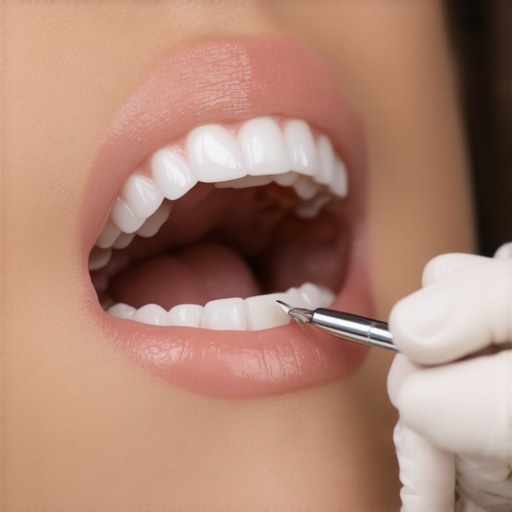
Start by visually examining your teeth in a well-lit mirror, focusing on any rough edges, chips, or discoloration around fillings. Use a handheld mirror to check hard-to-see areas. In 2026, advancements like intraoral cameras make at-home inspections easier. I once noticed a small discoloration in a molar filling using my phone’s front camera, prompting an immediate dental visit that revealed early decay. Regular visual checks can be your first line of defense against failure.
Utilize Proper Oral Hygiene Techniques
Brush twice daily with a soft-bristled toothbrush, paying extra attention to areas around fillings. Floss thoroughly, especially beneath and around restorations, to remove plaque that can compromise the bond. Consider using an interdental brush for tight spaces. When I incorporated flossing carefully around my problematic filling, I prevented plaque buildup that could have led to decay. Micro-studies indicate that meticulous oral hygiene significantly prolongs filling life.
Choose the Right Dental Products
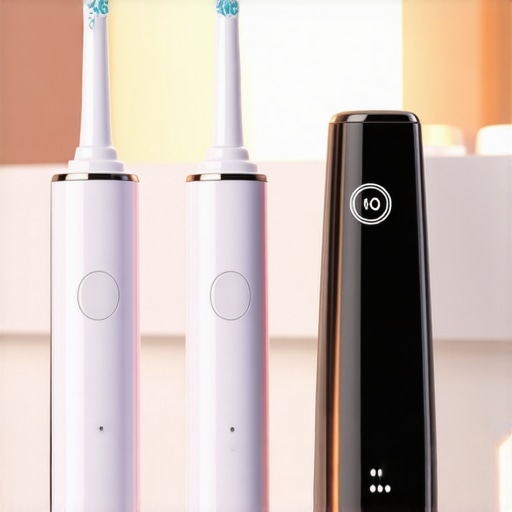
Opt for toothpaste with fluoride to strengthen enamel and reduce decay risk, and avoid abrasive whitening agents near fillings. An electric toothbrush with pressure sensors can prevent damage from excessive force. I experimented with a sonic brush and noticed a marked decrease in sensitivity around my fillings, showcasing how product choice impacts restoration longevity. Consistency in using suitable products is key.
Limit Harmful Foods and Drinks
Avoid sugary, sticky, or acidic foods that can weaken or dislodge fillings. Examples include caramel, soda, and citrus fruits. Instead, opt for water and balanced meals to maintain oral pH. I once splurged on sticky candies, which caused my filling to loosen; after that, I cut back on sugar and noticed fewer incidents of discomfort. Dietary awareness is crucial for preserving restorations.
Schedule Regular Professional Cleanings and Exams
Visit your dentist at least twice a year for thorough cleanings and evaluations. Professionals can detect early signs of filling deterioration before symptoms become apparent. During a recent appointment, my hygienist used an intraoral camera confirming microscopic cracks in my filling, allowing for preemptive repair. Routine checkups are a proactive strategy to extend filling lifespan.
Watch for Red Flags That Signal Need for Immediate Attention
If you experience sensitivity, sharp pains, or notice cracks or discoloration, do not delay seeking dental care. These signs often indicate compromise. In my case, recurring sensitivity after eating hot or cold foods prompted a quick visit, revealing a cracked filling that was promptly replaced, saving me from further decay. Recognizing these warning signs ensures quick action against potential failures.
For a comprehensive approach, incorporate these steps into your oral health routine. Combining diligent self-examinations with professional assessments forms a robust defense against filling failure. Remember, the effort you invest today safeguards your smile for years to come.
Many assume that brushing their teeth twice a day and occasional flossing are enough to maintain optimal oral health, but the reality is more nuanced. A common misconception is that aggressive brushing is better, yet overbrushing can damage enamel and gum tissue, leading to sensitivity and recession. Dental experts emphasize the importance of using the correct brushing technique with a soft-bristled brush, focusing on gentle circular motions rather than harsh scrubbing. Additionally, some believe that whitening products alone can keep teeth bright, but without addressing underlying issues like plaque buildup or enamel erosion, these products only deliver superficial results. This misconception can delay necessary professional interventions, which are crucial for preventing more severe problems.
The ‘oops’ trap many fall into involves neglecting regular dental checkups—assuming that if nothing hurts, everything’s fine. However, early signs of decay or gum disease are often silent, manifesting only through subtle clues such as minor bleeding or slight discoloration. Skipping routine examinations can allow these issues to progress unnoticed, making treatment more complex and costly. Regular professional cleanings not only remove tartar that brushing misses but also help identify problems before they become symptomatic. You can read more about how regular cleanings prevent major dental issues.
Why do some cosmetic procedures fail prematurely, and what advanced mistakes should you avoid?
One common pitfall is choosing cosmetic treatments based solely on cost or quick fixes. For example, opting for inexpensive veneers without understanding their longevity or maintenance needs is a mistake that can lead to early failure, especially if the underlying oral health isn’t sound. Many overlook the importance of material choice; porcelain veneers typically outlast composite options due to their durability and resistance to stain. Additionally, neglecting proper aftercare—like avoiding biting hard foods or using teeth as tools—can drastically reduce the lifespan of cosmetic work. Emerging research indicates that minimally invasive procedures, such as nano-bonding, offer longer-lasting results with less prep work, but only if proper technique and patient education are prioritized. For a comprehensive overview, explore why porcelain veneers outperform composites in longevity.
Another advanced mistake involves ignoring the subtleties of oral microbiome health. Recent studies suggest that maintaining a balanced oral flora through specialized probiotics can prevent decay and gum disease more effectively than aggressive chemical rinses. Overuse of mouthwashes containing alcohol or harsh ingredients may disrupt this balance, leading to increased vulnerability. Understanding these nuanced factors can elevate your oral health routine from basic maintenance to preventative care. Have you ever fallen into this trap? Let me know in the comments.
In essence, the path to lasting oral health and an enviable smile requires attention to detail and an understanding of less obvious factors. Incorporating professional guidance, selecting the right products, and understanding the science behind cosmetic dentistry can make all the difference. For ongoing tips, check out our guide on maintaining oral health for a lifetime. Remember, mastery lies in the nuances—don’t let common myths hold you back from achieving your best smile.
Maintaining your dental health over time requires more than just regular brushing and flossing. Investing in the right tools can significantly extend the lifespan of restorations like fillings and veneers, while also making daily oral care more effective. One of my top recommendations is using an ultrasonic toothbrush. Unlike traditional manual brushes, ultrasonic models generate thousands of vibrations per minute, breaking down plaque more thoroughly and reaching areas that are often missed. I personally switched to a model like the Philips Sonicare DiamondClean and noticed a marked improvement in gum health and stain removal over just a few weeks.
Complementing this, a high-quality water flosser such as the Waterpik Sonic-Fusion has become indispensable in my routine. Its jet stream effortlessly cleans around crowns, bridges, and orthodontic appliances, where traditional floss can struggle. This combination of sonic brushing and water flossing does more than clean; it helps prevent microleakage in restorations, which is a key factor in extending their longevity.
How do I maintain these tools over time?
Proper maintenance of your dental tools ensures optimal performance and longevity. Regularly replacing brush heads—every three months in accordance with manufacturer guidelines—prevents bacterial buildup and maintains effective cleaning. For water flossers, descaling with a vinegar solution every few weeks prevents mineral deposits from clogging the nozzle, especially if you have hard water. Storing devices in dry, cool environments and inspecting them for any damage also prolongs their usability. These small but consistent habits keep your tools performing at their best, directly benefiting your oral health.
Looking ahead, I see a trend toward smart dental devices that connect to mobile apps, providing real-time feedback and personalized advice. This integration can revolutionize how we manage long-term oral health by offering immediate insights into your brushing patterns and plaque removal efficiency. Recently, the American Dental Association published a review highlighting the potential of dental AI to customize patient care, which suggests that the landscape of dental tools is poised for a technological revolution. For now, incorporating advanced tools like ultrasonic toothbrushes and water flossers into your routine, paired with diligent maintenance, puts you ahead in the game for a healthy smile in 2026 and beyond. Want to maximize these benefits? Try using your ultrasonic toothbrush with a timed, two-minute brushing session twice daily, and see the difference it makes.
To explore more about selecting the best tools for your specific needs, check out our comprehensive guide on the ultimate guide to teeth cleaning techniques and benefits. Remember, the key to enduring oral health is consistency and smart investment in quality tools. Upgrading your dental arsenal today can save you time, money, and discomfort in the future.
What I Wish I Knew About Durability of Dental Restorations
One of the most eye-opening lessons I learned was that even the best fillings and veneers are subject to wear and tear over time. I once believed that a restoration could last forever, but experience taught me that regular checkups and vigilant self-monitoring are essential to preserving my smile. Recognizing early signs of damage, like tiny cracks or discoloration, can prevent costly repairs and keep your teeth healthy much longer than expected.
Tools and Resources That Changed My Approach to Dental Care
If you’re serious about maintaining your dental work, investing in the right tools can make all the difference. For example, I personally rely on ultrasonic toothbrushes and water flossers recommended in our comprehensive teeth cleaning techniques guide. These tools ensure thorough cleaning around restorations, reducing plaque buildup and extending their lifespan. Additionally, staying informed through trusted sources like our site helps me adapt to the latest advancements in cosmetic and family dentistry.
Inspiring Action for a Radiant Future
Your dental health journey doesn’t end with a filling or veneer—it’s a lifelong commitment. Embrace proactive habits, regular professional visits, and quality tools to achieve a smile that lasts well beyond 2026. Remember, your dedication today lays the foundation for a confident, healthy smile in the years ahead. Ready to elevate your oral health routine? Your future self will thank you.
What steps have you taken recently to check the health of your dental restorations? Share your experiences below—I’d love to hear your story!
,